What Jensen Huang Just Said About Elon Musk Should Get Nvidia Investors Excited
NVIDIA (NASDAQ:NVDA | NVDA Price Prediction) has been on a tear since the early days of the AI boom, with its stock surging more than 1,000% over the past three years. Today, the company boasts a market cap over $4.6 trillion,…

This post may contain links from our sponsors and affiliates, and Flywheel Publishing may receive compensation for actions taken through them.

NVIDIA (NASDAQ:NVDA | NVDA Price Prediction) has been on a tear since the early days of the AI boom, with its stock surging more than 1,000% over the past three years. Today, the company boasts a market cap over $4.6 trillion, making it the most valuable business on the planet.
Yet even after that run-up, NVIDIA’s growth story feels far from over. The shift to generative AI is still in its infancy, and demand for the company’s advanced GPUs shows no signs of slowing.
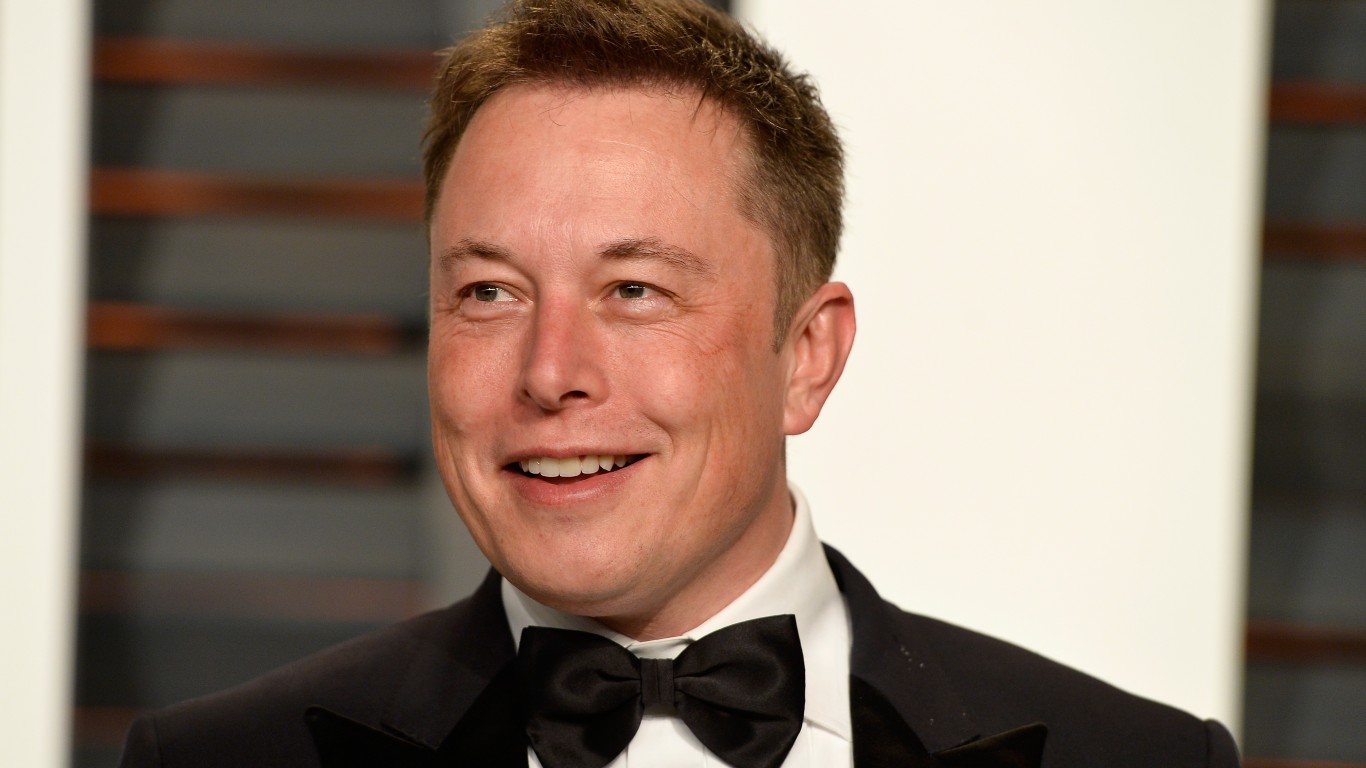
In a recent CNBC interview, CEO Jensen Huang dropped a comment about Elon Musk that underscores just how intertwined NVIDIA is with the biggest names driving AI forward. Huang’s enthusiasm for Musk’s ventures could signal even more upside for NVIDIA’s bottom line.
NVIDIA’s Deep Ties to Musk’s AI Empire
NVIDIA has long been a key supplier to Musk’s companies. Tesla (NASDAQ:TSLA), for instance, relies heavily on NVIDIA’s hardware for its autonomous driving systems and AI training. But it’s one of Musk’s latest endeavors, xAI, that has Huang particularly fired up as it is building out a massive AI infrastructure — including the Colossus supercluster, a 2-gigawatt beast powered by NVIDIA GPUs.
Huang didn’t hold back in expressing his admiration. “Almost everything that Elon is part of, you really want to be part of as well,” he said. NVIDIA is already an investor in xAI, but when Musk invited the company to join a fresh funding round, Huang jumped at the chance. The CEO did admit a touch of regret: “The only regret I have about xAI…is I didn’t give him more money.” He called it “an investment into a really great future company,” emphasizing xAI’s potential in the generative AI space.
Reports indicate NVIDIA is committing around $2 billion to xAI’s latest raise, earmarked for expanding Colossus and similar projects. While Huang clarified it’s “not vendor financing, per se,” the funds will inevitably flow back to NVIDIA through GPU purchases. It’s a symbiotic setup: Musk gets the compute power to chase his ambitious goals, and Nvidia locks in demand from one of AI’s most innovative minds.
The Investment Play That Keeps Paying Off
Huang’s comments fit into NVIDIA’s broader strategy of backing AI upstarts by making similar deals, including with companies like OpenAI and CoreWeave (NASDAQ:CRWV). Huang reflected on these moves during the interview, noting NVIDIA has made “some really terrific investments” lately. His one recurring “regret” is not betting bigger across the board.
For xAI specifically, the timing couldn’t be better. The startup is racing to build out infrastructure amid a surge in AI model training needs. Huang pointed out that the world is just beginning a massive transition from traditional CPU-based computing to GPU-driven generative AI. “We’re going to have to build half a trillion dollars worth of capacity infrastructure,” he said. That’s a staggering figure, and xAI’s projects are right in the thick of it.
The approach is a smart allocation of capital. By investing in customers like xAI, NVIDIA ensures its chips are at the heart of the next breakthroughs. It’s a flywheel effect: Early funding accelerates adoption, which in turn boosts Nvidia’s revenue.
In the fiscal second quarter, NVIDIA’s data center segment — fueled by AI demand — racked up $41.1 billion in sales, up 56% from a year ago. Musk’s ventures are a prime example of why that growth persists.
Why This Fuels NVIDIA’s Long-Term Dominance
Huang’s Musk endorsement goes beyond one deal; it highlights NVIDIA’s moat in AI. Competitors like Advanced Micro Devices (NASDAQ:AMD) and Broadcom (NASDAQ:AVGO) are in the mix, but NVIDIA commands over 90% of the data center GPU market. As AI infrastructure scales to that half-trillion-dollar level, Nvidia stands to capture the lion’s share.
Major cloud providers are already committing tens of billions of dollars in annual capex for AI. Amazon (NASDAQ:AMZN), Microsoft (NASDAQ:MSFT), and others are building out clusters similar to Colossus. Huang sees room for multiple players in general and specialized AI, with funding pouring in from corporations and even consumers via services like ChatGPT.
“xAI, I’m super excited about the financing opportunity that they’re doing,” he added. For investors, this means NVIDIA’s growth runway extends years into the future. The stock trades at a forward P/E of about 30, reasonable — discounted, even — given analyst projections for 50% earnings growth in fiscal 2026 (and another 41% the following year). If AI spending hits Huang’s targets, Nvidia could easily justify higher multiples.
Key Takeaway
His words about Musk are a vote of confidence in the ecosystem NVIDIA is helping build. Huang’s excitement for everything Musk touches should remind shareholders: In AI, the best opportunities come from betting on visionaries.
NVIDIA isn’t just selling chips; it is funding the revolution. With regrets only about not doing more, the AI stock is positioned to ride this wave higher.
Contact [email protected] for any questions or corrections.
After two decades of patrolling the dark corners of suburbia as a police officer, Rich Duprey hung up his badge and gun to begin writing full time about stocks and investing. For the past 20 years, he’s been cruising the markets looking for companies to lock up as long-term holdings in a portfolio while writing extensively on the broad sectors of consumer goods, technology, and industrials. Because his experience isn’t from the typical financial analyst track, Rich is able to break down complex topics into understandable and useful action points for the average investor. His writings have appeared on The Motley Fool, InvestorPlace, Yahoo! Finance, Money Morning, and, of course, 24/7 Wall St. He has been featured in both U.S. and international publications, including MarketWatch, Financial Times, Forbes, Fast Company, and USA Today.