Analysts See 20% Upside for Disney on New Streaming Profitability Milestone
Disney (NYSE:DIS | DIS Price Prediction) trades around $108 per share while Wall Street analysts have a consensus price target of about $130, meaning they see roughly 20% upside for the stock today. Disney operates one of the world’s largest entertainment ecosystems spanning…

This post may contain links from our sponsors and affiliates, and Flywheel Publishing may receive compensation for actions taken through them.

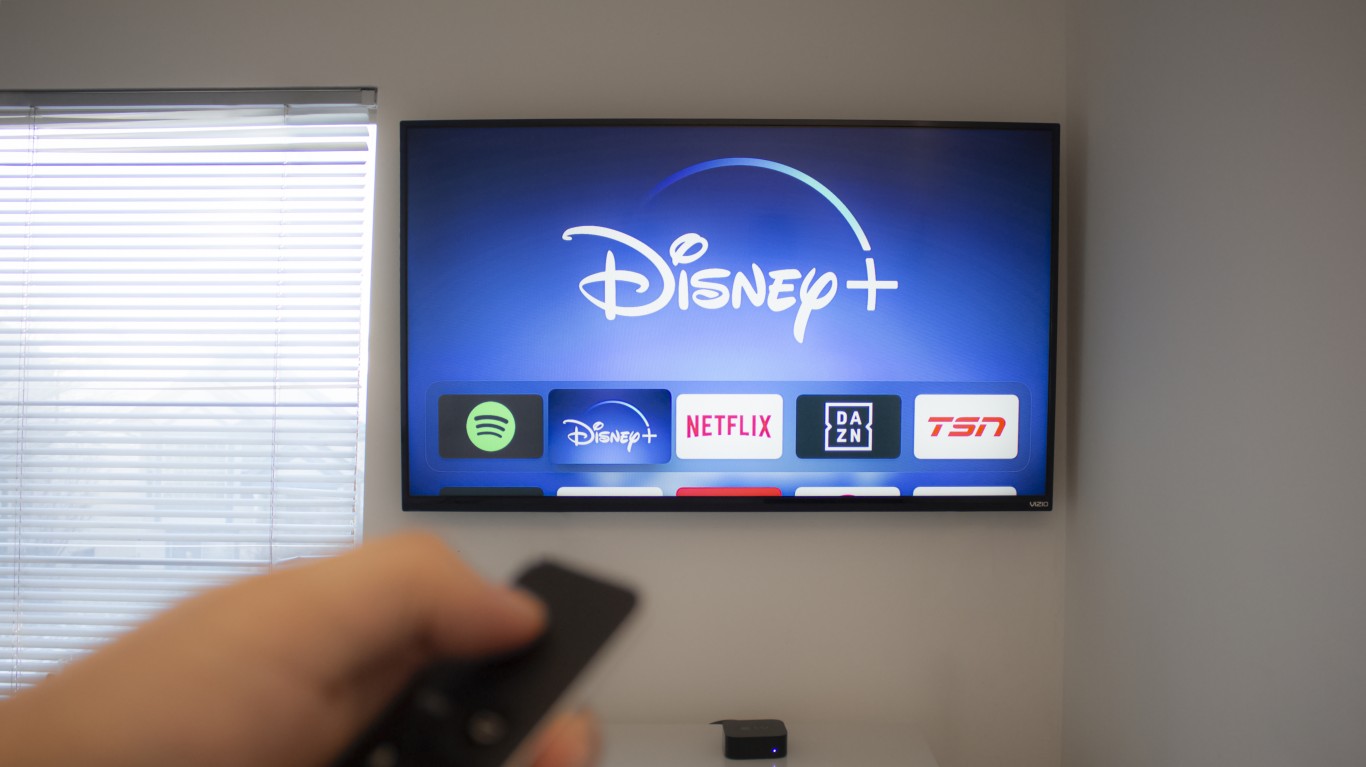
Disney (NYSE:DIS | DIS Price Prediction) trades around $108 per share while Wall Street analysts have a consensus price target of about $130, meaning they see roughly 20% upside for the stock today. Disney operates one of the world’s largest entertainment ecosystems spanning Disney+, Hulu, ESPN, theme parks, cruises, consumer products, and blockbuster film franchises. Investors have spent the past year waiting for streaming profitability and Experiences growth to finally translate into a sustained stock re-rating. Instead, shares have mostly drifted sideways. Disney just delivered another profitable streaming quarter, raised its buyback target to at least $8 billion, and reaffirmed double-digit adjusted EPS growth for both fiscal 2026 and 2027.
Streaming profitability milestone finally arrived
Disney’s Q2 fiscal 2026 report was stronger than the market expected on the surface. Revenue rose 7% year over year to $25.2 billion while adjusted EPS climbed 8% to $1.57. The biggest milestone came from streaming. Entertainment SVOD operating income nearly doubled to $582 million from $310 million a year ago as subscription revenue growth accelerated to 14%. Disney also delivered its first double-digit streaming operating margin and said it remains on track for at least a 10% SVOD margin for full-year fiscal 2026. That was a major shift because streaming losses were the core bear thesis for years.
Still, investors found reasons to stay cautious. Free cash flow for the first six months of fiscal 2026 fell 53% to $2.66 billion, while operating cash flow declined 23% year over year. Management blamed higher tax payments tied to deferred California wildfire liabilities, as well as heavier content spending across Entertainment and Sports. ESPN’s Sports segment operating income declined 5% year over year as higher programming costs and new sports rights agreements weighed on profitability.
Why Wall Street still sees upside
The bull thesis hinges on three pieces clicking simultaneously. Disney+ and Hulu are now generating meaningful profits, while subscription and affiliate revenue across Entertainment grew 14% year over year. Disney also said streaming revenue now exceeds linear TV revenue across Entertainment subscription and advertising. Experiences continue to anchor the business as well. Q2 Experiences revenue rose 7% to a fiscal second-quarter record while operating income climbed 5%. Domestic per-capita guest spending increased 5%, cruise demand remained strong, and bookings for the new Disney Adventure ship in Asia were described as “very strong.”
Management also continues leaning aggressively into capital returns. Disney increased its fiscal 2026 repurchase target to at least $8 billion.
Of the 31 analysts covering the stock, 6 rate it a Strong Buy, 20 a Buy, 4 a Hold, and 1 a Sell. That means there’s an 84% bullish consensus for Disney, with analysts seeing roughly 20% upside for the stock to reach fair value.
My Take on Disney Here
Contact [email protected] for any questions or corrections.
Thomas Richmond is a financial writer and content strategist with 5+ years of experience covering stocks and financial markets. He has published over 500 articles focused on individual stock analysis, helping investors better understand business fundamentals, stock valuations, and long-term opportunities.
Thomas previously served as a Content Lead at TIKR, a stock research platform, where he helped scale the company’s blog to hundreds of articles per month and contributed to a weekly newsletter reaching more than 100,000 investors.
Outside of work, Thomas enjoys weight lifting and soccer.