





The Roundhill Memory ETF (CBOE:DRAM) launched on April 2, 2026 as the first U.S.-listed fund built entirely around memory chip makers, and it has already returned 85% since inception. For a retiree screening DRAM as an inflation hedge or AI-themed growth sleeve, that headline number is the wrong place to start. DRAM is a concentrated, single-industry bet on three companies that happen to be in the right cyclical window, and the question for a retirement portfolio is whether the math works once that window closes.
What you are actually buying
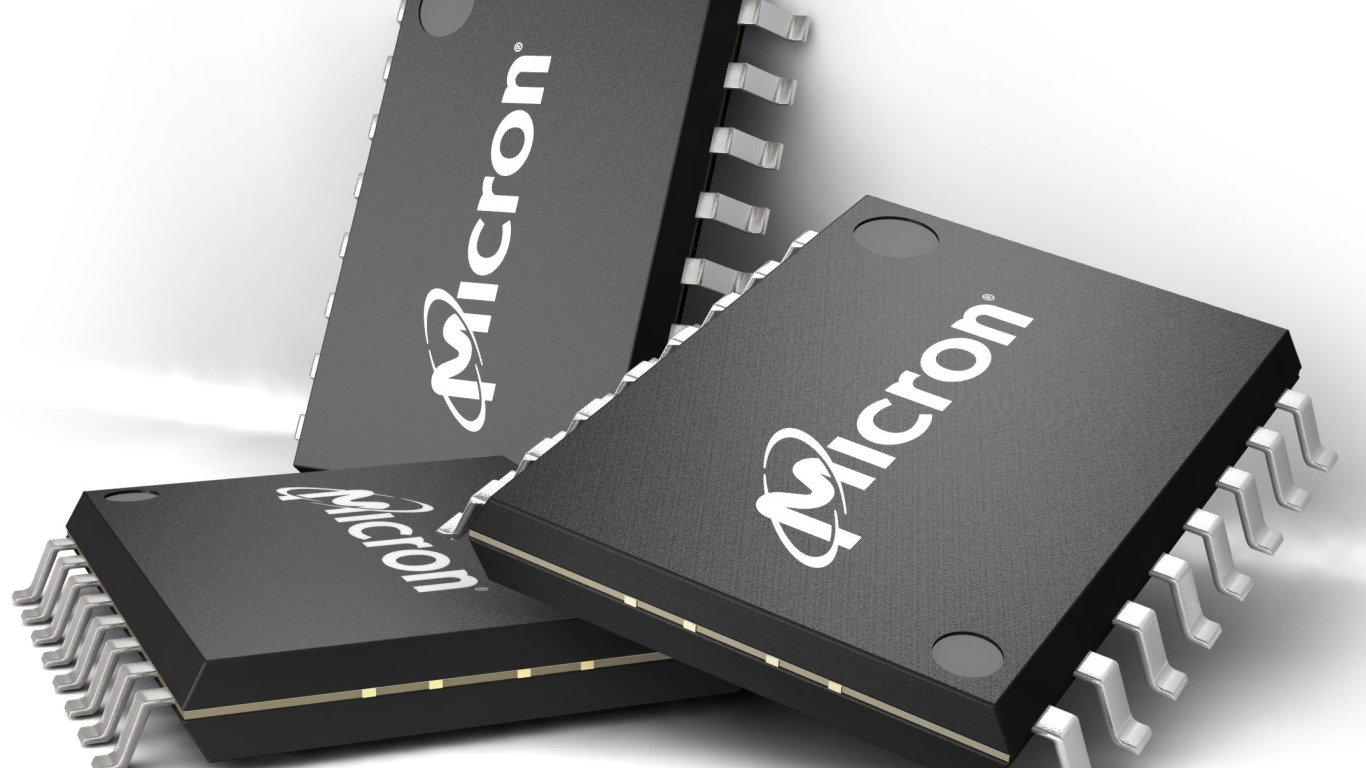
DRAM holds nine positions, with 73% of assets in just three names: Samsung Electronics at 25%, SK hynix at 24%, and Micron Technology at 24%. The remaining sleeve covers Kioxia, Sandisk, Western Digital, Seagate, Nanya, and Winbond. South Korea accounts for 49% of geographic exposure, the U.S. for 38%, Taiwan for 6%, and Japan for 5%.
The return engine is straightforward: DRAM and NAND pricing. When hyperscalers buy high-bandwidth memory for AI accelerators and data center DRAM tightens, Samsung, SK hynix, and Micron earn outsized margins. When supply catches up, those same names give back gains just as fast. There is no options overlay, no factor tilt, no income strategy. You are buying the memory cycle in a single ticker for an expense ratio of 0.65%.
Does the early record justify the concentration?
Performance since launch has been outsized. DRAM is up 58% over the past month and 85% since its April debut, while the SPDR S&P 500 ETF (NYSEARCA:SPY) returned 9% over the same month and 27% over the trailing year. That gap reflects an industry pricing cycle, not a structural advantage. Memory has historically been one of the most boom-and-bust corners of semiconductors, and Micron and SK hynix have each seen drawdowns above 50% in past cycles.
The other reality check is fund size. DRAM holds roughly $250,000 in total net assets. That is not a typo. At that scale, bid-ask spreads can widen, and the fund carries genuine closure risk if assets do not grow. The 7% single-day decline on May 12 is a preview of how thinly traded thematic ETFs behave when sentiment shifts.
The tradeoffs a retiree needs to weigh
- Concentration risk. Three stocks drive nearly all returns. An accounting issue at Samsung or a memory glut announcement from Micron moves the entire fund.
- Currency and tax friction. Roughly half the portfolio is Korean, meaning won/dollar moves and foreign withholding affect returns. Distributions, if any, may carry pass-through foreign tax credits that complicate IRA versus taxable account placement.
- Cycle timing. With Core PCE at the 91st historical percentile and AI capex still expanding, memory pricing sits near a cyclical peak. Buying after an 85% run leaves little margin for error if hyperscaler orders slow.
Where DRAM fits, and where it doesn’t
DRAM’s combination of a one-month-old track record, $250,000 in assets, and three-stock concentration disqualifies it from anchor positions in a portfolio meant to fund withdrawals. Where it can work is as a small satellite, perhaps 1% to 3% of equities, for a retiree who already has diversified semiconductor exposure through a broader fund and wants direct leverage to the memory cycle.
For investors who like the AI thesis but need the discipline of diversification, the VanEck Semiconductor ETF (NASDAQ:SMH) holds Micron alongside NVIDIA, TSMC, and Broadcom at a lower expense ratio and meaningfully larger asset base. You get less memory torque and far less single-cycle risk. Retirees drawing income should look elsewhere entirely; DRAM is a growth instrument tied to one of the most volatile slices of technology, and it should be sized accordingly.











 Top Gaining Stocks
 Top Losing Stocks