





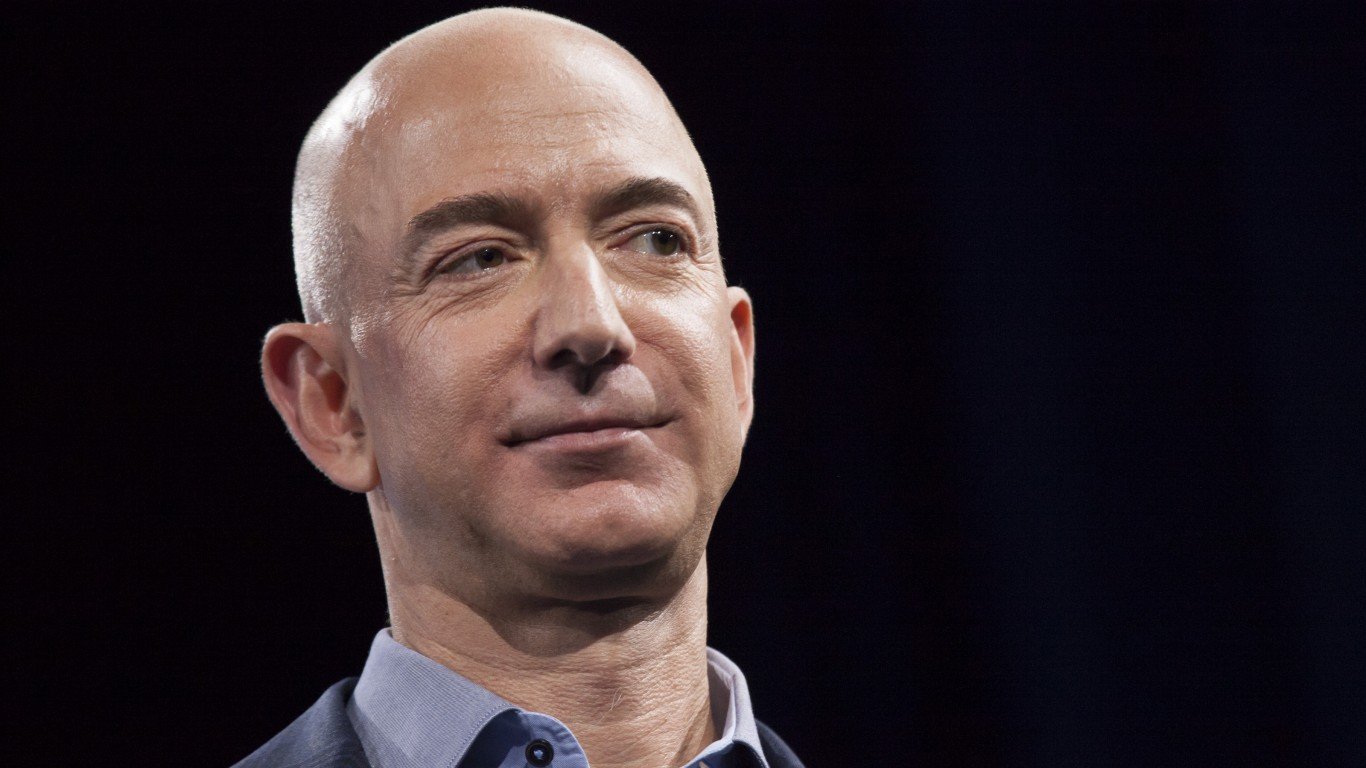
On June 17, 2026, Jeff Bezos stood on a stage in Paris and told the world: “We’re going to have labor scarcity. People are pessimistic because a bunch of smart people are telling them to be pessimistic.” His company had cut 16,000 jobs five months earlier, in January 2026, citing AI as a driver. That contradiction defines the 2026 labor market.
Speaking at VivaTech 2026, as reported by Fortune, Fox Business, and The Hill, Bezos delivered a bull case worth hearing in full before the data pushes back.
Bezos’s Argument
AI raises productivity, lowers costs, and creates more demand than the current workforce can meet. A bulldozer did not eliminate construction workers. When ATMs arrived, banks opened more branches and hired more customer-facing staff. Jevons Paradox: when a tool gets cheaper, people use more of it. Radiologists and software engineers get “elevated” rather than replaced. AI-driven productivity could lower the cost of essentials and let some dual-income households choose to have one earner step back. His clearest line: “AI is going to create a labor shortage.”
The Data That Contradicts Him
Across tech, more than 115,000 jobs were cut through May 2026. Challenger, Gray & Christmas reported that of more than 97,000 total job cuts in May, US employers cited AI as the leading reason for 38,579, about 40% of all cuts. Goldman Sachs estimates AI is eliminating roughly 16,000 US jobs per month, with Gen Z absorbing the heaviest impact. An HR Digest analysis pinned 22% of all 2026 layoffs on AI. Microsoft AI CEO Mustafa Suleyman warns most white-collar tasks could be automated within 18 months.
Both sides may be right about different timeframes. Gartner projects AI will create more jobs than it eliminates beginning in 2028. Aggregate labor data still looks resilient: unemployment sat at 4.2% in June 2026, JOLTS openings rose to 7.59M in May, and average hourly earnings climbed to $37.64. Macro tightness supports Bezos’s directional claim; the monthly cut data supports the pessimists.
The Amazon Irony
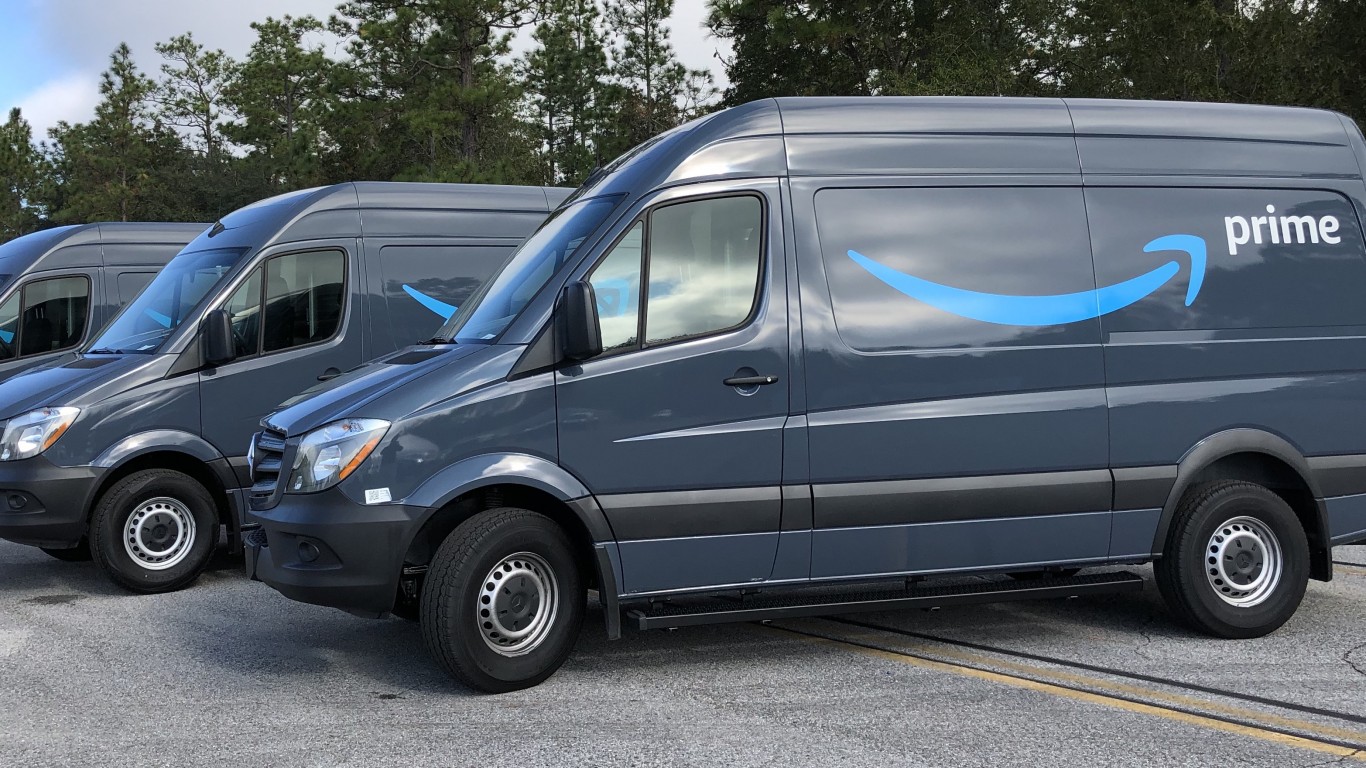
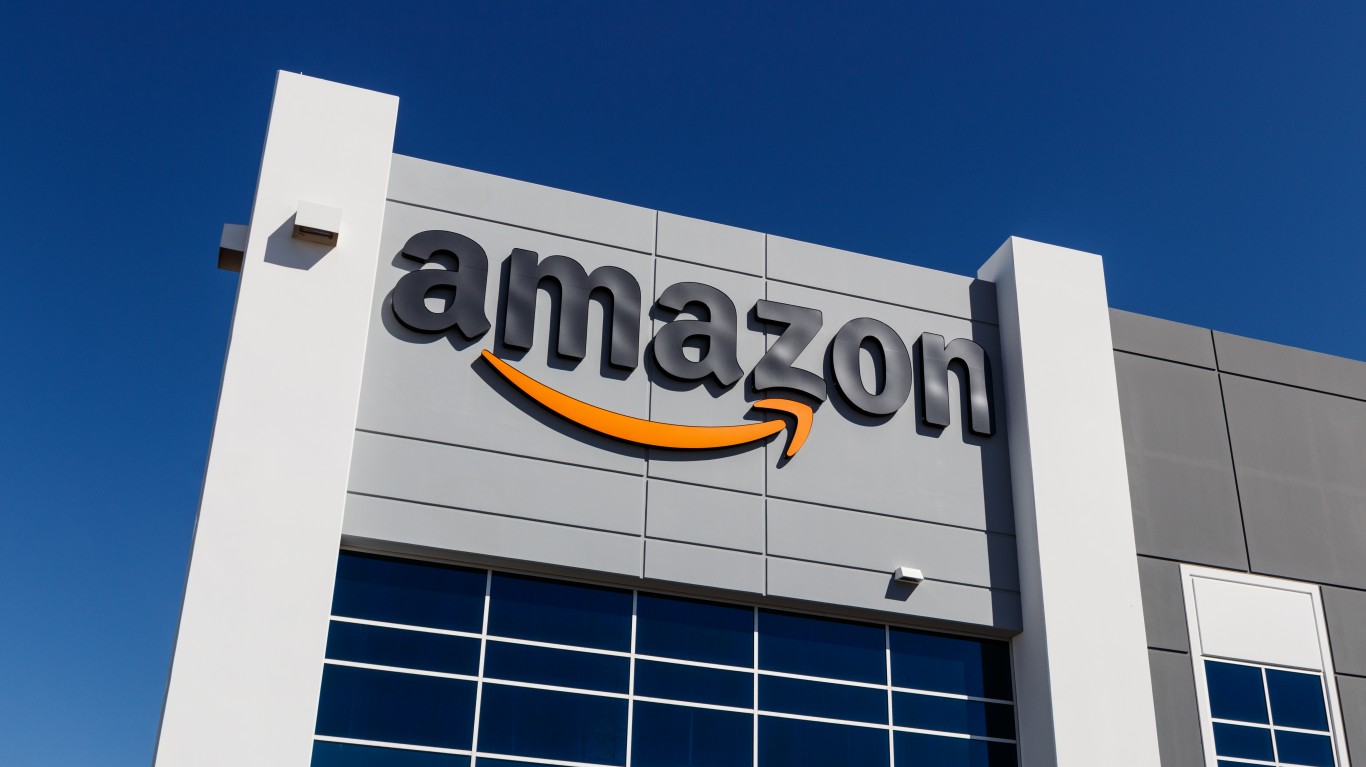
Amazon (NASDAQ:AMZN | AMZN Price Prediction) is funding the future Bezos describes while thinning the workforce along the way. In Q1 2026, CEO Andy Jassy reported AWS revenue of $37.587 billion, up 28% year over year, the fastest growth in 15 quarters, alongside capital expenditures of $44.203 billion in a single quarter and full-year 2026 capex guidance of approximately $200 billion (see the Q1 2026 8-K). Jassy told analysts an internal service rebuild that “would have taken 40 or 50 people about a year” was completed by “five really smart, AI-forward-thinking people” in 65 days. That productivity gain is precisely what makes the labor picture ambiguous.
Shares reflect the market’s tentative endorsement: AMZN is up 6.29% year to date to $245.34.
The Investing Angle
If AI expands demand for human labor, the infrastructure layer rides a multi-decade capex cycle. NVIDIA (NASDAQ:NVDA) is up 13.25% YTD, Broadcom (NASDAQ:AVGO) up 15.99%, and Alphabet (NASDAQ:GOOGL) up 14.26%. Microsoft has lagged at down 20.02% YTD, a reminder that even winners in the buildout face digestion risk.
If millions need new skills, retraining plays become structural beneficiaries. Coursera (NYSE:COUR) reported more than 20 generative AI enrollments per minute in Q1 2026, though the stock is down 22.42% YTD to $5.71 as enterprise growth lags consumer.
What Workers Should Do
The most exposed roles are entry-level, task-based, and undifferentiated. The roles that survive are the elevated ones: oversight, auditing, specialized AI engineering, and training. Bezos may be right about where AI takes the labor market. Workers cut in January 2026 need a bridge to get there. The central question of 2026 is how long the transition takes. Retrain now.
Contact [email protected] for any questions or corrections.








 Top Gaining Stocks
 Top Losing Stocks