Nuclear Could Solve America’s Looming Natural Gas Crisis — Except For This 1 Thing
AI data centers are quietly engineering a collision between America's natural gas supply and its electricity grid, and nuclear power looks like the obvious fix. But one stubborn geographic reality could derail the entire solution before it gets started.

Artificial intelligence is creating a problem few investors were talking about just a year ago: the U.S. may not have enough reliable electricity to support the next wave of data centers without driving up energy costs for everyone else.
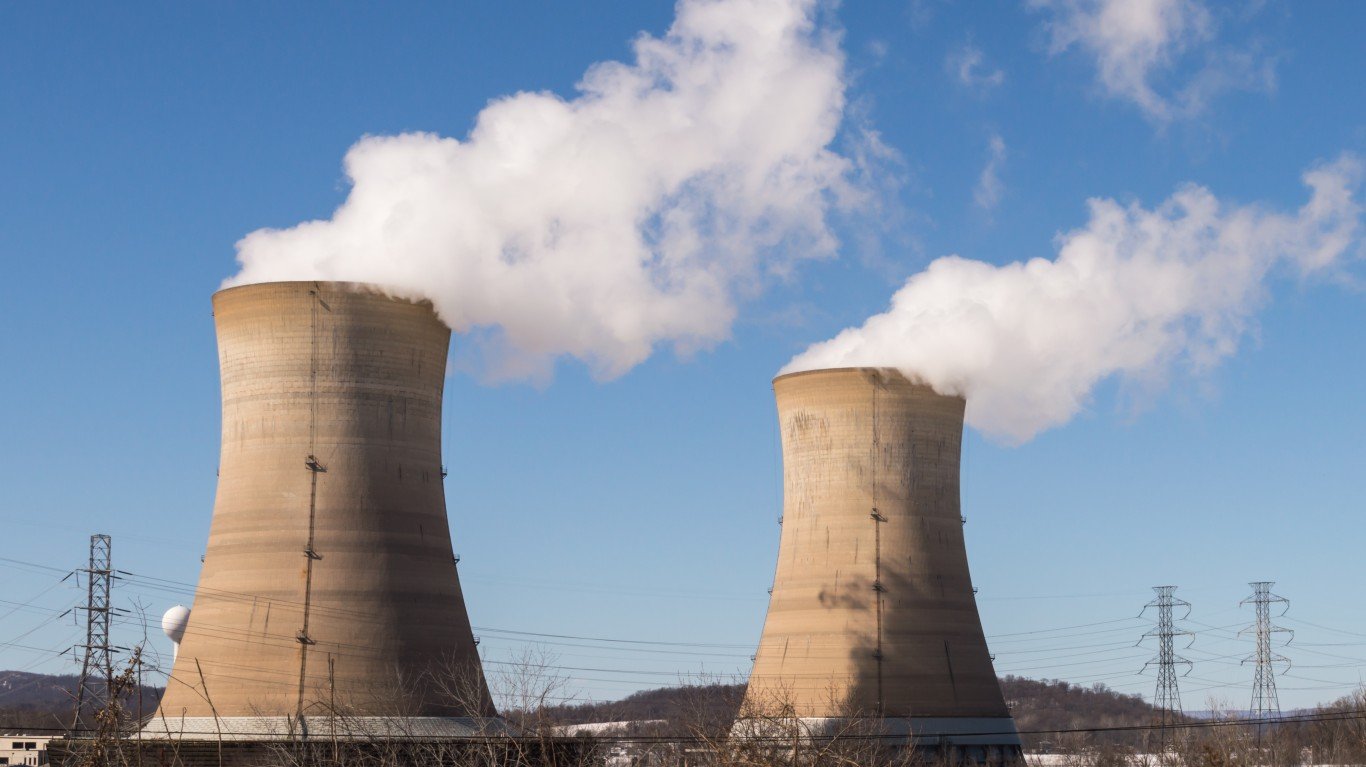
That challenge increasingly points to one solution. Nuclear power can provide around-the-clock electricity without the carbon emissions of natural gas, making it an ideal match for AI’s insatiable appetite for power. But while the economics look compelling, there’s one obstacle that could determine whether nuclear becomes AI’s energy backbone or remains a niche solution: where these projects get built.
Looming Natural Gas Crisis Makes Nuclear More Attractive
Matthew Smith of Chronometer Partners spent 18 months building a detailed model of the U.S. natural gas system, tracking everything from production wells and pipelines to underground storage. His conclusion, shared on a recent episode of the Invest Like the Best podcast, is sobering.
As liquefied natural gas (LNG) exports continue climbing and AI data centers dramatically increase electricity demand, the U.S. could begin drawing down its natural gas storage by mid-to-late 2028. By around 2030, the country’s traditional inventory cushion could be largely depleted, leaving consumers more exposed to price spikes. If gas prices surge, electricity prices are likely to follow.
Nuclear power offers a solution. Existing reactors already provide dependable, carbon-free baseload power, and once operating, production costs are generally well below those of building new gas-fired plants. Restarting retired reactors and deploying small modular reactors (SMRs) could help absorb AI’s rapidly growing electricity demand before it translates into higher utility bills for households.
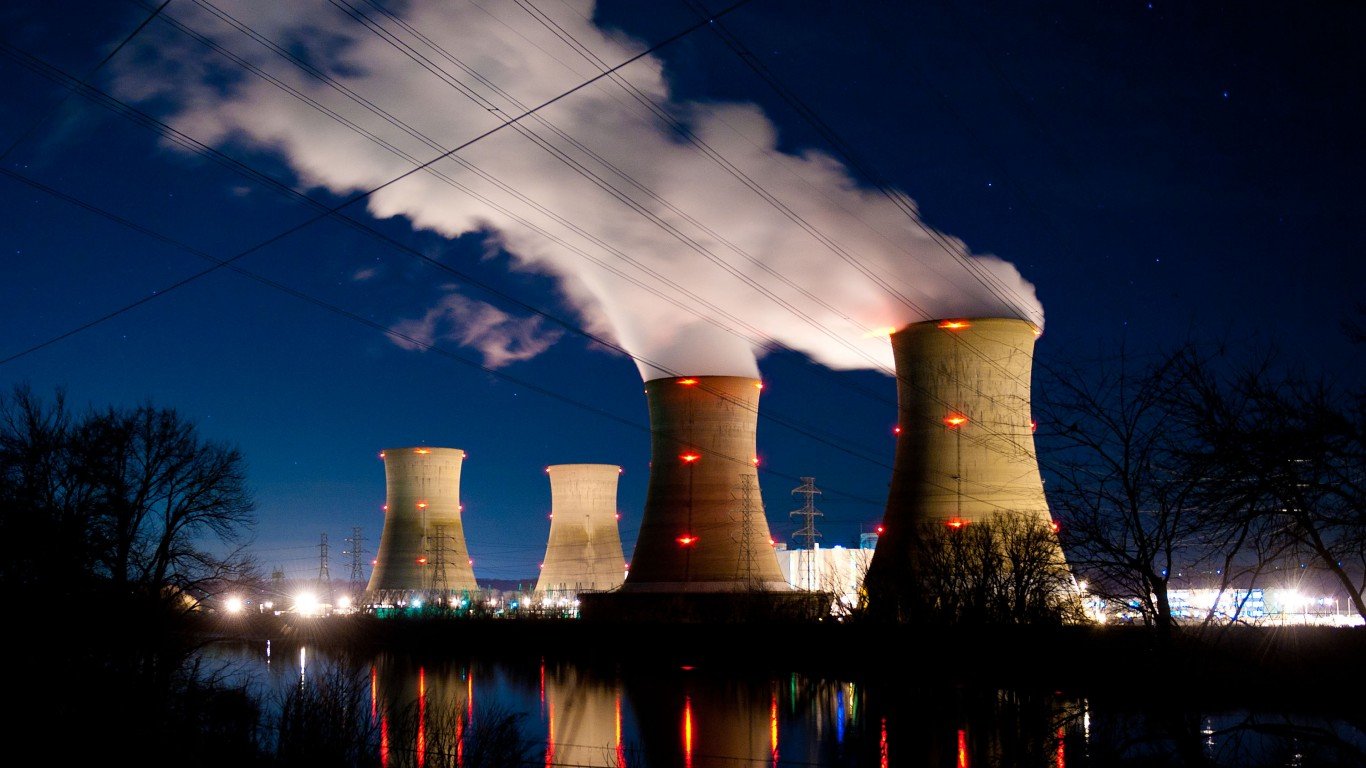
Amazon‘s (NASDAQ:AMZN | AMZN Price Prediction) data center campus sits alongside Talen Energy‘s (NASDAQ:TLN) Susquehanna nuclear plant. Microsoft (NASDAQ:MSFT) has signed a 20-year agreement to purchase electricity from the restarted Three Mile Island Unit 1, while Meta Platforms (NASDAQ:META) has signed multi-gigawatt agreements tied to Vistra‘s (NYSE:VST) Ohio nuclear facilities and future Oklo (NASDAQ:OKLO) SMRs.
By sourcing power directly from nuclear facilities, these companies can reduce their dependence on the broader electric grid and limit the impact on residential ratepayers.
Public Support Runs Into NIMBY
On paper, nuclear’s momentum appears to be growing. Polling from Gallup, Pew, and Bisconti shows support ranging from roughly 59% to 72%. But broad approval doesn’t necessarily translate into local acceptance.
Gallup’s survey found 53% of Americans still oppose having a nuclear plant in their own community. Data center opposition is even stronger. Emerson College found 63% of people opposed data centers being built nearby — up sharply from 42% just six months earlier. Gallup puts it even higher at 71%.
And data centers themselves face growing backlash. New York just recently imposed a one-year moratorium on building new ones. Communities often support AI, clean energy, and economic growth in principle, but only if it’s in someone else’s backyard.
Geography Could Decide the Winners
The good news is that there is a way forward. Expanding nuclear generation at existing reactor sites largely avoids the debate over whether nuclear belongs in a community. Residents have already accepted the technology and frequently value the jobs and tax revenue these facilities provide. Surveys also suggest between 70% and 86% of nearby residents support adding SMRs at existing nuclear sites.
Unfortunately, data centers aren’t typically built where nuclear plants already exist. Developers prioritize inexpensive land, abundant fiber connectivity, water access, and generous tax incentives. That’s why Northern Virginia, Texas, Arizona, and other emerging data-center hubs continue attracting the majority of new investment despite having limited nearby nuclear capacity.
As a result, much of AI’s growing electricity demand still flows through the broader power grid, where natural gas remains the primary balancing fuel.
Key Takeaway
If Smith’s model proves accurate, natural gas markets could become significantly tighter by the end of the decade as AI demand collides with rising LNG exports. Nuclear power remains one of the most practical sources of reliable, carbon-free electricity capable of offsetting that pressure.
But investors should focus on companies expanding or restarting nuclear generation at existing sites, where public acceptance is strongest, rather than betting on entirely new nuclear or data-center developments that may face years of local resistance.
Contact [email protected] for any questions or corrections.
After two decades of patrolling the dark corners of suburbia as a police officer, Rich Duprey hung up his badge and gun to begin writing full time about stocks and investing. For the past 20 years, he’s been cruising the markets looking for companies to lock up as long-term holdings in a portfolio while writing extensively on the broad sectors of consumer goods, technology, and industrials. Because his experience isn’t from the typical financial analyst track, Rich is able to break down complex topics into understandable and useful action points for the average investor. His writings have appeared on The Motley Fool, InvestorPlace, Yahoo! Finance, Money Morning, and, of course, 24/7 Wall St. He has been featured in both U.S. and international publications, including MarketWatch, Financial Times, Forbes, Fast Company, and USA Today.