Ron Baron Bet $25 Billion on SpaceX and Projects the Rocket Company Will Hit $40 Trillion
Ron Baron turned a $400 million Tesla position into $7.7 billion in profit when Wall Street laughed him out of the room, and now he is making an even larger bet on a company he believes will reshape the economics…

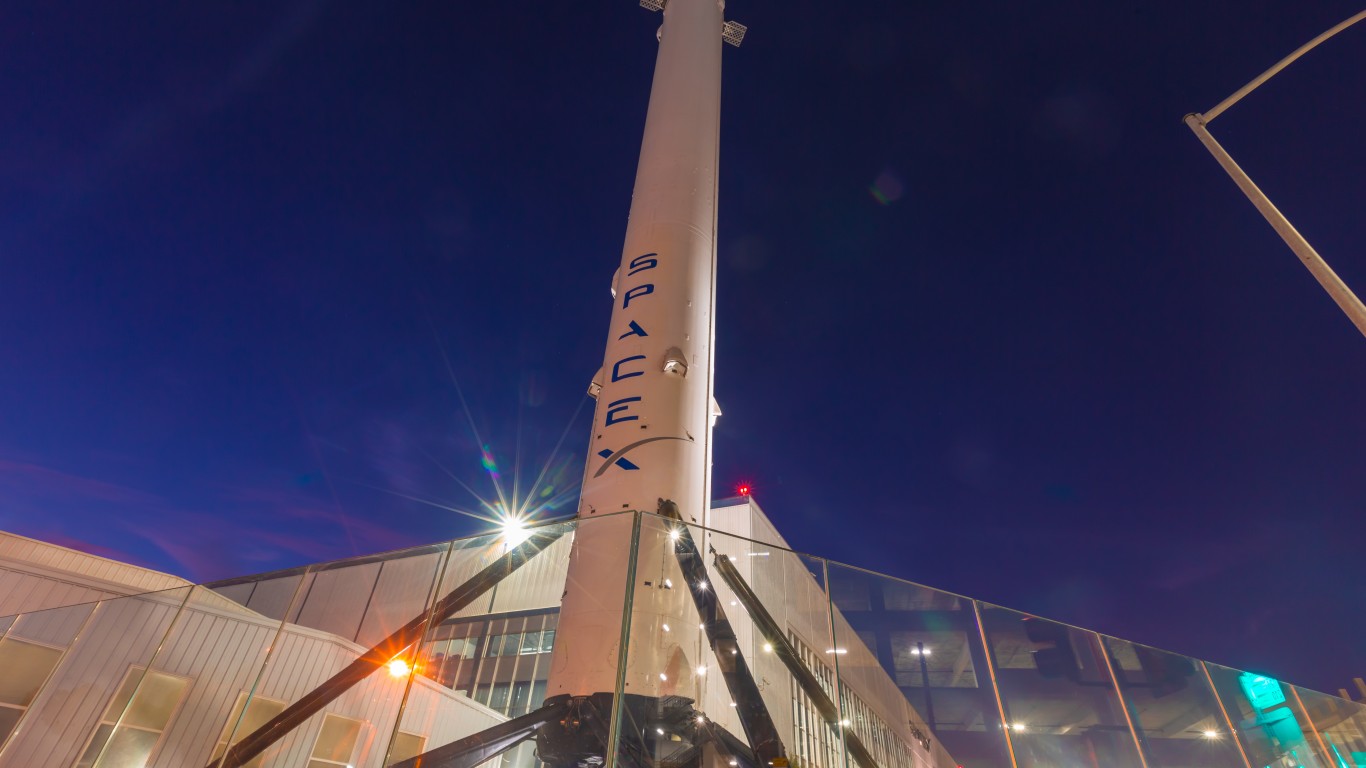
Although most Wall Street veterans have learned to tune out billionaire projections that sound like science fiction, Ron Baron just made one worth listening to. Speaking on The Compound and Friends podcast, the founder of Baron Capital revealed that his firm has quietly built a $25 billion position in SpaceX (NASDAQ:SPCX | SPCX Price Prediction) out of roughly $2 billion of invested capital, spread across 27 discrete transactions since 2017. But the number that stopped the room was his forward call. Baron projects SpaceX will be worth “at least $40 trillion” within 10 to 15 years, starting from a $2 trillion IPO valuation.
What’s particularly notable is that this is the same investor who called Tesla when almost no one on Wall Street would touch it. Between 2014 and 2016, Baron put $400 million into Tesla, a position that eventually generated $7.7 billion in profit. The benchmark data underneath that call is stark. Tesla (NASDAQ:TSLA) shares have vaulted 2,990.14% since January 2, 2014, and 1,875.51% over the trailing decade alone.
The Long Memory: Baron Compounds Themes Over Decades
The pattern here is what matters. Baron builds positions over years, sits through the drawdowns, and lets compounding carry the arithmetic. His firm has grown from $100 million in 1982 to $70 billion as of June, and SpaceX now accounts for more than a third of that total. He even purchased an additional $1 billion at the IPO specifically to avoid dilution of his 1.25% ownership stake, an anti-dilution move that only makes sense if you think the next 15 years look like the last 12 did for Tesla.
The math frames the scale of the call. Baron projects Tesla will return 4x to 5x capital over the next 10 years, while SpaceX could return 20x to 30x from the IPO price over the same horizon. A $40 trillion valuation is roughly the size of the entire current U.S. equity market. As Josh Brown put it on the podcast: “What your vision is for something that’s never existed before on Earth.”
Where SpaceX Trades Today
Public-market access runs through SpaceX, which recently traded around $135.83 against a market cap of $1.78 trillion. The stock action has been rough. SPCX is down nearly 27% from its post-IPO high on June 18. Reddit sentiment tracked bearish over the past week, driven by short-seller headlines and lockup-unlock anxiety. One widely read r/investing thread noted that roughly a third of tradable shares are now betting against the stock.
Prediction markets are pricing an entirely different time horizon than Baron is. Polymarket’s most active book gives SPCX a 79% probability of closing above $100 by end of July, but only a 20.5% probability of reaching $120. The 12-month analyst consensus target sits at $236.71, implying 104.86% upside. None of these instruments price the 15-year window Baron cares about, which is precisely his edge.
Why the Tesla Comparison Actually Matters
Tesla in 2026 has evolved substantially from its 2014 form, and the read-through helps calibrate the SpaceX call. The company just reported Q2 revenue of $28.24 billion, up 25.5% year over year, on record deliveries of 480,126 vehicles. It also missed on non-GAAP EPS at 33 cents against a 54-cent estimate as operating expenses surged 47% to $4.35 billion on AI infrastructure. Tesla shares have been rattled, down 31.24% year to date and 18.56% in the past month.
Baron has seen this movie before. Tesla has drawn down more than 30% eleven times in the last decade, and each time the long-hold thesis absorbed the volatility. The SpaceX filings on SEC.gov show the same vertically integrated business model Baron has bet on before: launch, Starlink connectivity to 164 countries, and now xAI’s Grok folded in after the early-2026 acquisition. Tesla’s Q1 disclosures already showed a $2 billion equity investment in SpaceX and a joint semiconductor fab groundbreaking at Gigafactory Texas. The Musk companies are consolidating into one industrial stack.
The Verdict
Baron’s own framing is the tell. “We don’t consider ourselves betting. We consider ourselves investing on the basis of knowledge, not bets.” That is the sentence to remember when SPCX drops another 20% and the short-interest headlines pile up. Long term, Wall Street has always managed to reward operators who compound through the noise, and Baron’s Tesla record is the closest historical mirror we have to what he’s attempting with SpaceX. The pattern says patience gets paid. Whether it pays 20 to 30 times is the question the next 15 years will answer.
Contact [email protected] for any questions or corrections.
Joel South covers large-cap stocks, dividend investing, and major market trends, with a focus on earnings analysis, valuation, and turning complex data into actionable insights for investors.
He brings more than 15 years of experience as an investor and financial journalist, including 12 years at The Motley Fool, where he served as an investment analyst, Bureau Chief, and later led the Fool.com investing news desk. He has also co-hosted an investing podcast and appeared across TV and radio discussing market trends.