Bill Ackman Says the Fed Is “About to Make Another Mistake” on Dec. 9

This post may contain links from our sponsors and affiliates, and Flywheel Publishing may receive compensation for actions taken through them.

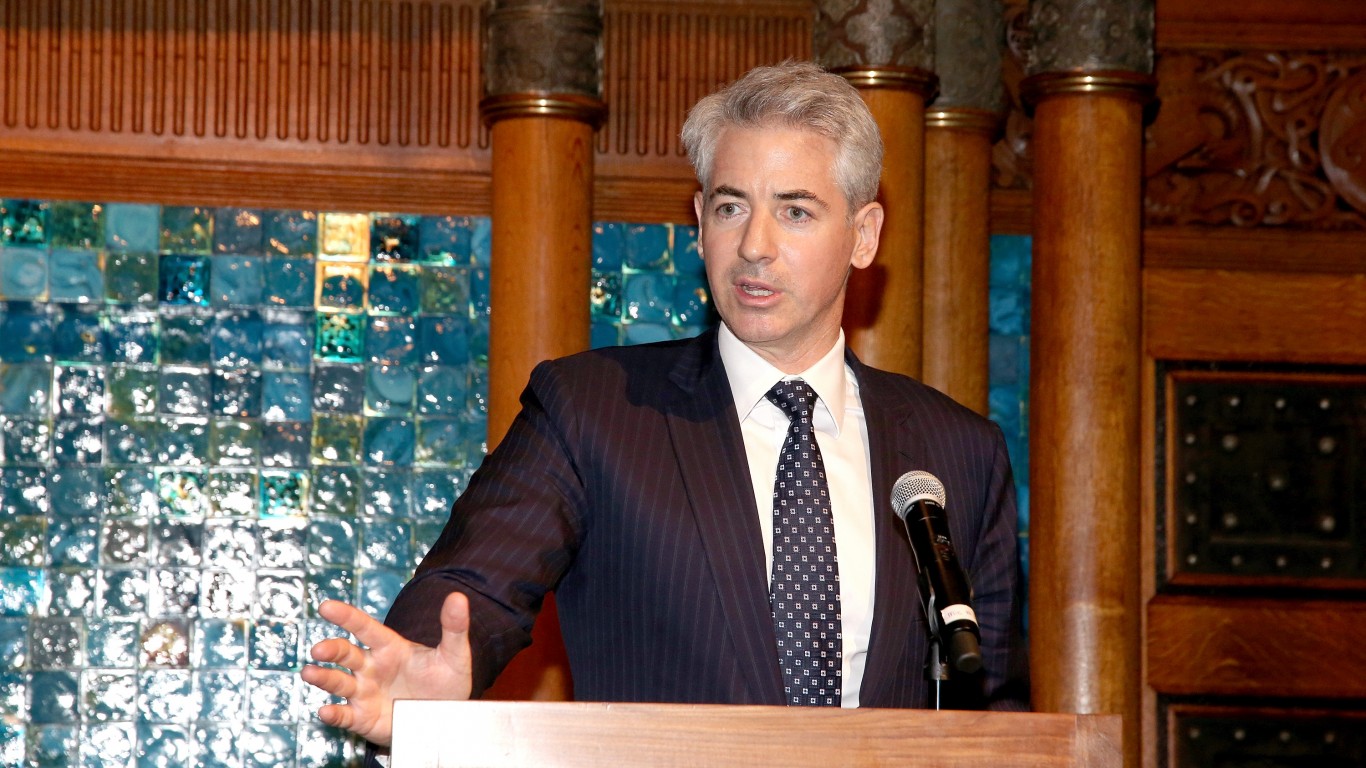
Bill Ackman challenged the Federal Reserve on Sunday, and about 3.8 million people had viewed his post by Monday evening. Writing on X at 5:21 p.m. ET on November 22, the Pershing Square founder said the Fed is “about to make another mistake on December 9th,” the date of its next rate decision.
I think the Fed is about to make another mistake on December 9th. Financial conditions have tightened massively. For example, @SpaceX, an investment grade company, just raised secured debt financing at an 8.259% interest rate versus below 6% for its unsecured bond offering at the time of its IPO.
The cost of equity capital has also increased materially with the recent substantial decline in the stock market.
The Fed’s 2% inflation ambition is misguided. Geopolitical risk and the required investment in global military spending, de globalization and tariffs, and the massive AI infrastructure and related energy investment are features of the world that did not exist when the 2% target was set. 3% inflation is a more realistic ambition in the new world.
The Fed will put the U.S. and world in recession if it continues to raise rates in a failed attempt to drive inflation to 2%.
Tell me why I am wrong.
— Bill Ackman (@BillAckman) November 22, 2026
His complaint is the Fed’s 2% inflation goal, which he called misguided. Bill Ackman said 3%[1] is a more realistic aim today, warned that hiking in a failed attempt to reach 2% will push the U.S. and the world into recession, and invited people to tell him why he is wrong.
Markets expect the hike he fights. CME Group’s FedWatch tool showed a 96.1%[1] chance of a quarter-point increase at the December 8-9 meeting, which would lift the federal funds rate to 4.00%-4.25% from 3.75%-4.00%. For holders of the SPDR S&P 500 ETF Trust (NYSEARCA:SPY) and the iShares 20+ Year Treasury Bond ETF (NASDAQ:TLT), the question is whether the bigger danger is a Fed that overtightens or one that lets inflation settle higher.
Why Ackman Thinks 2% Is Outdated
Ackman argues that several forces did not exist when the 2% goal was set: geopolitical risk and the military spending it requires, deglobalization and tariffs, and investment in AI infrastructure and the energy to run it. Tariffs raise import costs directly, and, in Ackman’s view, defense budgets are set with little regard for borrowing costs.
On September 24, after the Fed’s September hike, he posted that the Fed might have just made a mistake because AI and energy demand might not slow with higher rates. PCE inflation was 3.6% in September, and New York Fed President John Williams put it at about 3.5% in a speech Monday.
Warsh Has Already Rejected a Softer Target
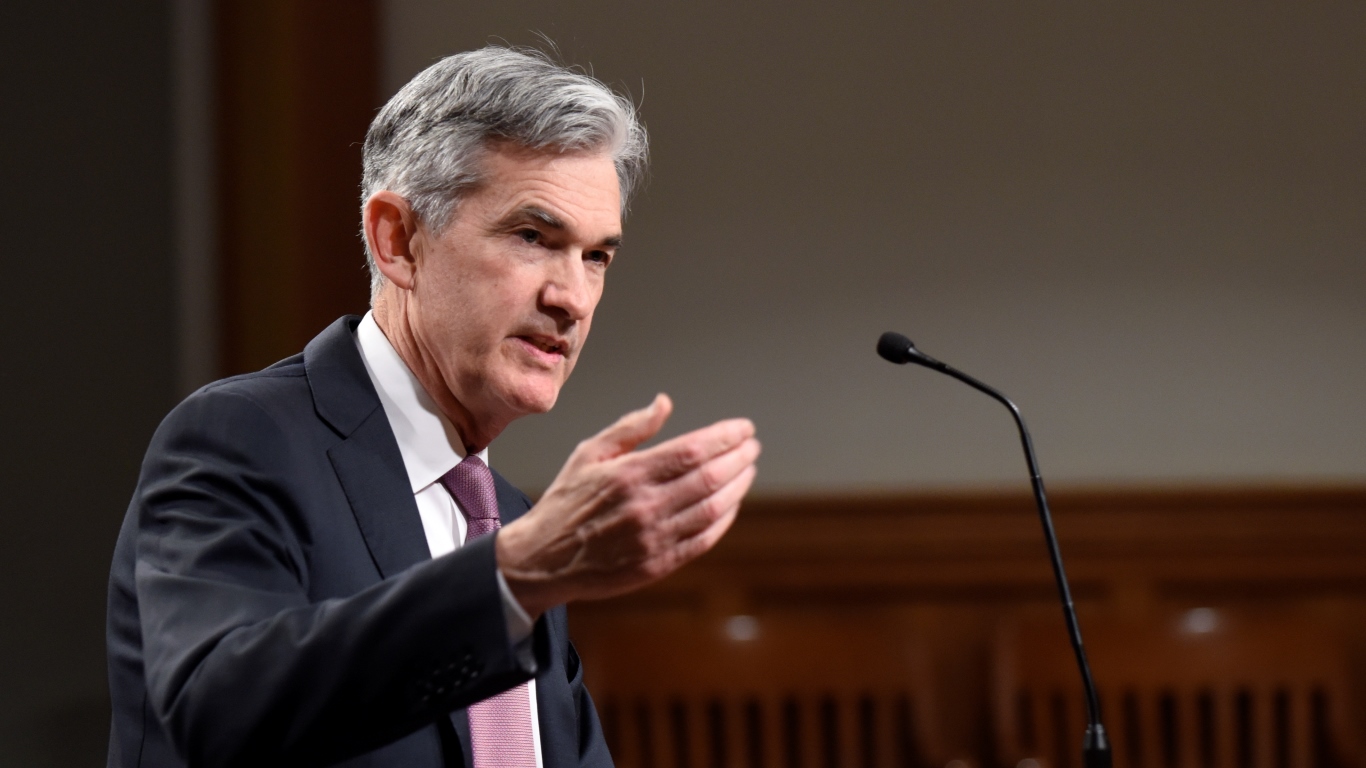
Fed Chair Kevin Warsh reaffirmed the 2% target after the October meeting, saying there is no soft inflation target. Ackman’s 3%[1] is his own view.
Moving the goal while inflation is above target carries a credibility cost, because businesses and workers could assume it will shift again and set prices accordingly. Bond investors would then demand higher yields on long-term debt, raising the borrowing costs Ackman wants lower. Williams said Monday he would not rule out hikes at consecutive meetings.
SpaceX’s Borrowing Cost Signals Tighter Credit
Bill Ackman’s evidence for tighter conditions is SpaceX (NASDAQ:SPCX | SPCX Price Prediction), an investment-grade company. It just raised secured debt at 8.259%, compared with below 6% on its unsecured bond around its IPO.
It was part of a roughly $44 billion cut-off financing that Apollo Global Management (NYSE:APO) and Goldman Sachs (NYSE:GS) priced November 20. Reuters reported it included $25.17 billion of senior secured 2033 notes, about $4.4 billion of 2031 notes at 7.66% and $2.564 billion of subordinated 2033 notes at 8.36%.
Secured lenders usually accept lower yields because collateral protects them. If a top credit pays over 8% with collateral, weaker borrowers pay more, and that higher cost of capital brings down stock valuations.
What Another Hike Means for SPY and TLT
Ackman’s recession warning came the day before a rebound. The S&P 500 rose 4.73% to 7,237.17 on Monday, and SPY closed at $722.29, up 4.71%.
SPY is still down 4.96% over the past month but up 5.92% this year. The VIX closed Friday at 35.89[2], a high-fear reading, and another hike would likely weigh most on richly valued growth stocks.
TLT closed at $81.69 on Monday, up 2.91% over the past week but down 2.6% this year, with the 30-year Treasury yield at 5.29%. Long bonds fall when inflation expectations rise, so a Fed that adopted Ackman’s 3%[1] goal would likely push TLT lower even if it saved the economy.
What SPY and TLT Holders Should Track Before December 9
Wednesday at 8:30 a.m. ET brings October PCE inflation and the second estimate of third-quarter GDP, followed by the December 9 decision. Ahead of that decision, SPY has several supportive factors. The hike is nearly priced in, the fund trades below its level of a month ago, and its largest holdings are the tech companies whose AI spending Ackman expects to survive higher rates.
A hot PCE reading that makes back-to-back hikes more likely is the main risk to that view, and TLT has a narrower path to gains because it rises mainly if hikes cause the recession Ackman fears.
Contact [email protected] for any questions or corrections.
Omor Ibne Ehsan is a writer at 24/7 Wall St. He is a self-taught investor with a focus on growth, cyclical, and dividend equities that have strong fundamentals, value, and long-term potential. He also has an interest in high-risk, high-reward investments such as penny stocks.