Retirees Who Moved Back to Their Hometown Say the Welcome Lasted About a Year
Moving back to your hometown in retirement promises cheaper housing, old friends, and family close by, but most couples discover a different reality once the first year passes and the welcome quietly disappears.

This post may contain links from our sponsors and affiliates, and Flywheel Publishing may receive compensation for actions taken through them.
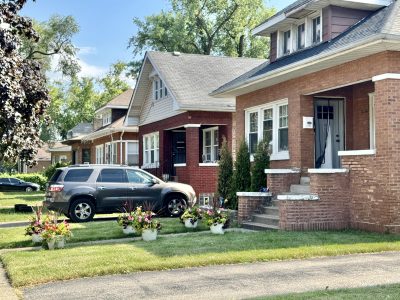
Going home is a common retirement dream, since you can find a place where houses cost less than in the metro where you built your career. Better yet, old friends live nearby, and aging parents finally have a child close by. A common pattern can follow: the first year is warm, then friends settle into their routines, the town has changed, and family starts treating the returning retiree as the one with free time. After the welcome fades, it’s important to understand what this move back “home” truly costs.
Why the Hometown Price Gap Looks Bigger on Paper
On paper, the relocation math supports moving somewhere less expensive. The Bureau of Economic Analysis puts California’s regional price parity at 110.72 and Ohio’s at 92.774, where 100 is the national average. Average household spending of $78,535 adjusted for that price difference yields an Ohio budget near $65,800. A Vanguard study found about 60% of retirees who move after retiring go to a more affordable area and typically free up around $100,000 in home equity.
It may also surprise you to learn that property taxes can jump even when state income taxes fall. A returning buyer pays tax on a fresh assessment, while longtime neighbors pay on older values. CPI rose 3.4% over the past year, and the 2027 Social Security COLA is tracking toward 3.3%.
A Working Budget for a Couple Moving Home
| Line item | Annual cost |
|---|---|
| Housing on a paid-off home (property tax, insurance, maintenance) | $14,000 |
| Healthcare (two Part B premiums of $202.90 a month, about $4,870, plus Part D, Medigap, and out-of-pocket costs) | $11,000 |
| Food and dining | $12,000 |
| Transportation | $8,000 |
| Utilities | $5,000 |
| Family and hometown responsibilities | $6,000 |
| Miscellaneous and reserves (replacement vehicles, emergencies, gifts, personal spending) | $8,000 |
| Income taxes on withdrawals | $4,000 |
| Total | $68,000 |
This budget covers costs a price index misses. The SSA’s average benefit for an aged couple who both collect is $3,208 a month, or $38,496 a year. That leaves a gap of about $29,500 for the portfolio to cover. At a 4% withdrawal rate, that takes roughly $738,000. For a couple retiring in their early 60s with a 30-year horizon, a 3.5% rate raises the target to about $843,000.
Taking Social Security later increases benefits, and each year the higher earner delays beyond the standard taking age adds 8% to that benefit. Drawing more from the portfolio early so that earner can take at 70 fills the gap for the rest of both lives. Ohio exempts Social Security from state income tax, keeping the tax line small. Anyone moving before 65 must pay for ACA coverage until Medicare starts, so keeping taxable withdrawals low during those years preserves premium subsidies.
Budgeting for the Year After the Welcome Ends
The $6,000 family line is where hometown plans most often break. Once the newness wears off, the returning retiree becomes the default driver to a parent’s appointments, the one who covers a sibling’s shortfall, and the holiday host. At a 4% withdrawal rate, that line takes $150,000 of the portfolio. Couples who budget zero for it usually pay it anyway, out of reserves.
Backing out of the move is another, often painful, hidden cost. Existing home sales are running at a 3.98 million annualized rate, in the soft market range. A couple selling a $300,000 house and paying 8% in combined costs burns $24,000, with another round of costs on the next purchase. Leasing for 12 to 18 months keeps home equity liquid in a treasury ladder until year two, when you see whether the town works. The Retire Sooner Method suggests looking for “built-in opportunities for social interaction” instead of counting on old ties.
What a Lasting Hometown Retirement Requires
For a couple, the working target is a budget of about $68,000, average Social Security of about $38,500, and a portfolio of roughly $843,000 drawn at 3.5%. That step down from the familiar 4% figure reflects the same income-first thinking we laid out in a free guide on why the old withdrawal rule wobbles in today’s market. One approach splits the portfolio between broad index funds and a Treasury ladder, looking to keep pace with inflation above 3%. Taking at 70 for the higher earner lowers that target. A paid-off home bought with equity from a pricier market makes it reachable.
The plan has to work in year two. Budgeting the family line from the start and leasing before buying are two safeguards. Building connections on purpose in the first year is the third, since the welcome fades on its own. Those three steps help protect both savings and the reasons for coming home.
Contact [email protected] for any questions or corrections.
David Beren has been a Flywheel Publishing contributor since 2022. Writing for 24/7 Wall St. since 2023, David loves to write about topics of all shapes and sizes. As a technology expert, David focuses heavily on consumer electronics brands, automobiles, and general technology. He has previously written for LifeWire, formerly About.com. As a part-time freelance writer, David’s “day job” has been working on and leading social media for multiple Fortune 100 brands. David loves the flexibility of this field and its ability to reach customers exactly where they like to spend their time. Additionally, David previously published his own blog, TmoNews.com, which reached 3 million readers in its first year. In addition to freelance and social media work, David loves to spend time with his family and children and relive the glory days of video game consoles by playing any retro game console he can get his hands on.