Three Communities Will Try to Be the Next Villages. Residents of All Three Will Say One Already Is
Three active-adult communities have spent years chasing the Villages blueprint, and the fees look almost identical at first glance. What most buyers miss is buried in a single clause that decides which one quietly drains a retirement portfolio over 25…

This post may contain links from our sponsors and affiliates, and Flywheel Publishing may receive compensation for actions taken through them.

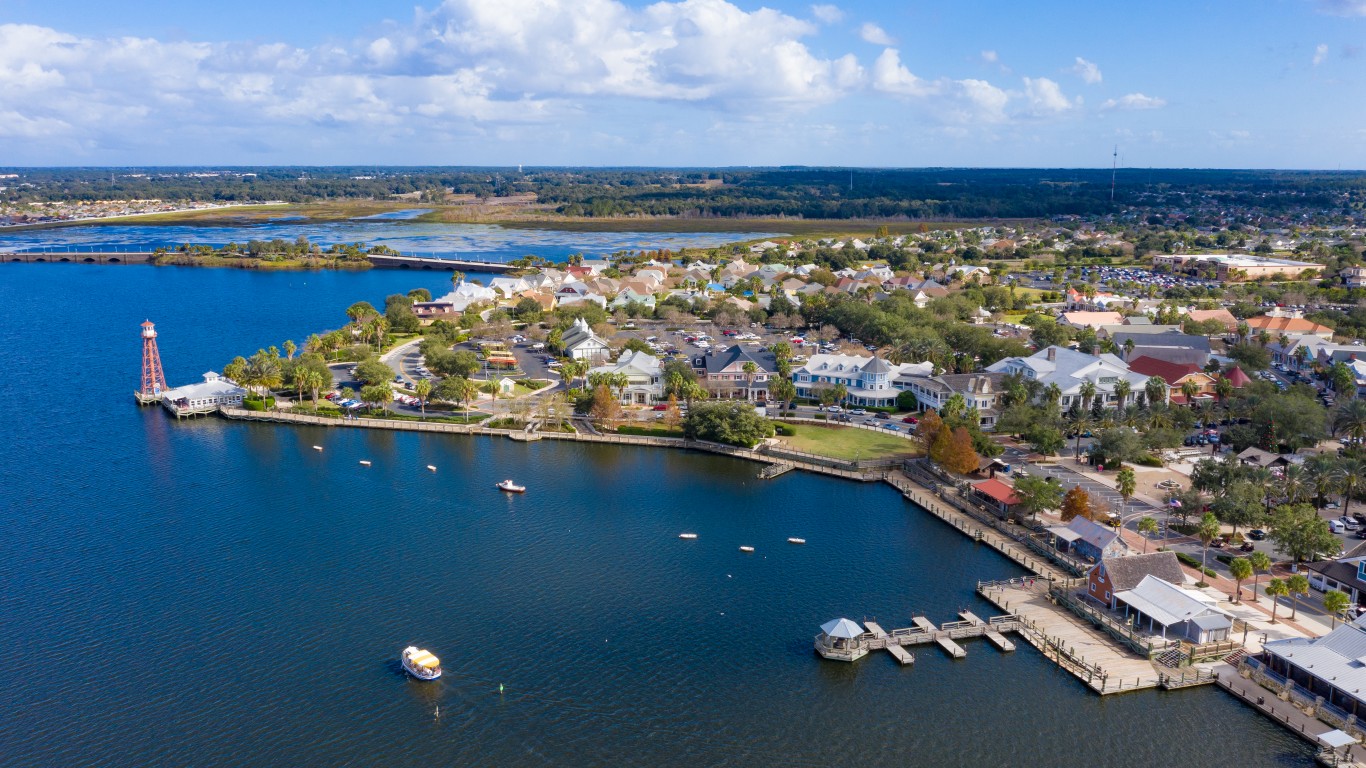
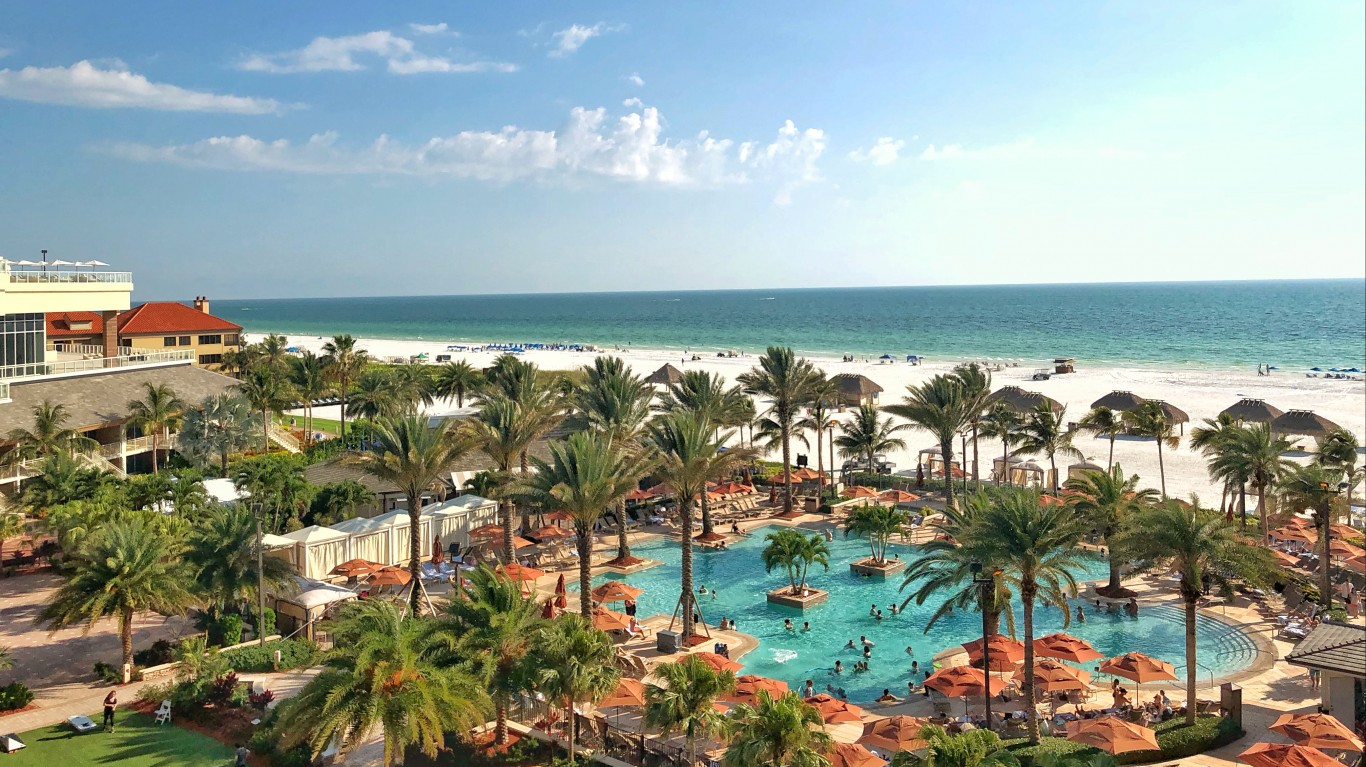
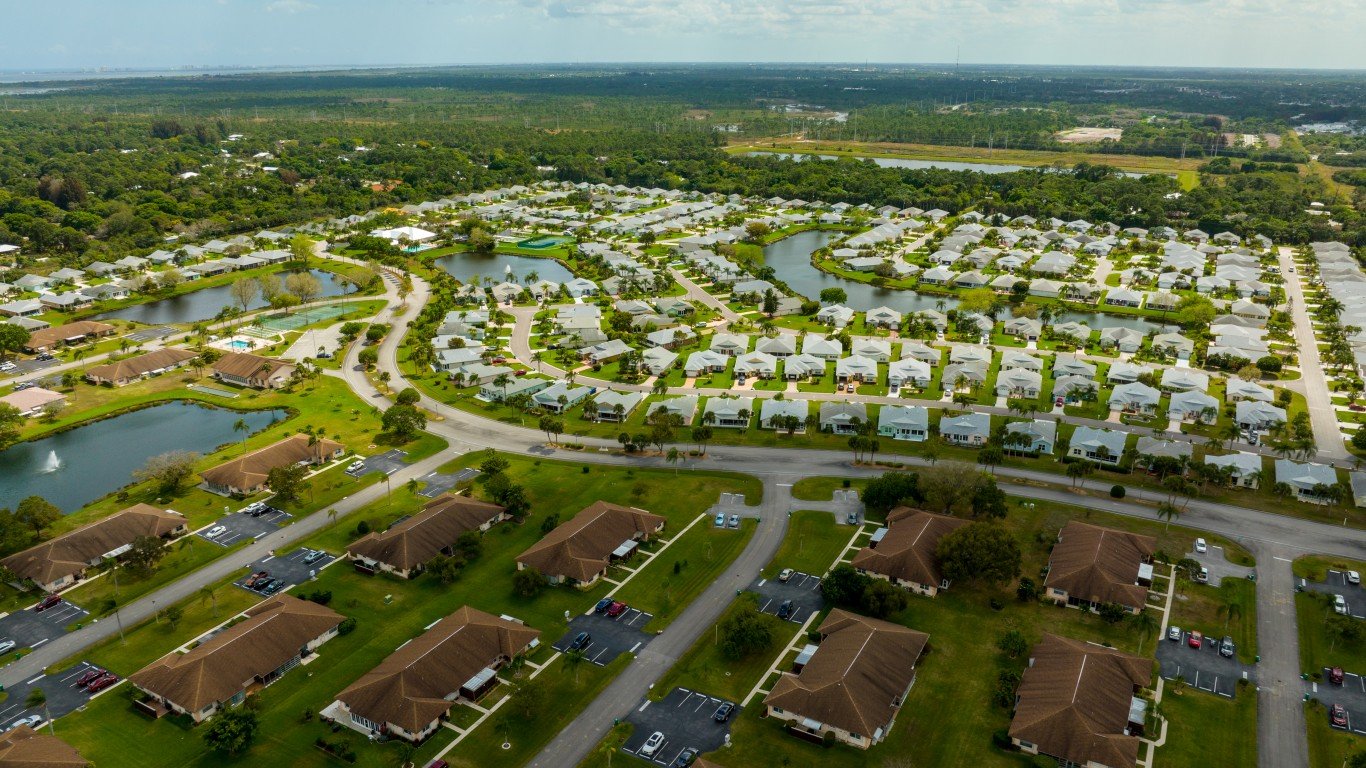
Every few years, a Florida developer promotes a new 55+ community as the next Villages. Three names come up most often: Latitude Margaritaville in Daytona Beach, On Top of the World in Ocala, and Solivita near Kissimmee. Tourers keep comparing each one to the original. One family member posting in a Solivita forum said a mother planning a Florida move “has been looking at the Villages” before expanding the search. Every one of those tours comes down to the same question. What does a retirement in one of these places cost, and how big a portfolio does it take to pay for it over 25 years or more?
Fee Sheets Look Alike Until They Start Rising
The fees start as new Villages buyers will pay a $204/month amenity fee. On top of that, an infrastructure bond appears on the tax bill at $800 to $4,000+ a year until it is paid off. Latitude Margaritaville’s HOA dues ran from $343/month to $381/month when the community was completed in 2025. On Top of the World runs $512.80 to $531 per month, while at Solivita, the HOA ranges from $165 to $205 a month, and the club fee is $195 a month. Together, they average about $385/month. That works out to $4,620 a year.
Those fees add to Florida’s other housing costs. A typical homeowners policy costs $5,500 to $11,000 per year, depending on county, roof age, and construction. Florida’s cost-of-living index is 103.414, which puts it above the nationwide figure of 100.
Turning a Florida Budget Into a Portfolio Target
If you take average U.S. household spending and adjust it for Florida’s costs, you get roughly $81,200 a year for a couple. Several costs must fit within that number. Medicare Part B runs $202.90 per person each month, or $4,870 for two, plus a $283 deductible. Medigap Plan G premiums in Florida generally range from $147 to $245 per person per month. Then come insurance, community fees, property taxes, groceries, utilities, vehicles, and a reserve for roofs, air conditioning, and replacement golf carts. Florida’s lack of an income tax means IRA withdrawals are taxed only at the federal level, and that federal bill also has to come out of the $81,200.
An aged couple who both collect benefits will average $3,355 a month after the 2027 COLA. That’s $40,260 a year, leaving a $40,940 shortfall, and covering that gap with a 4% withdrawal rate requires roughly $1.02 million. A couple planning for more than 30 years should use 3.5%, which raises the target to about $1.17 million. Suppose that $40,260 is the couple’s benefit at full retirement age and both spouses wait until 70. Delayed credits of 8% a year would raise the benefit to roughly $49,900, and the target would drop to about $782,000. A Treasury ladder would need to pay the bills during the waiting years.
Which Fee Rises With Social Security
Most comparisons miss how each fee rises over time. The Villages’ governing district says amenity charges can adjust with the Consumer Price Index, with the timing tied to the property’s original land-sale date. Social Security’s COLA also follows CPI, and the 2027 adjustment is 3.6%. That means the Villages fee and the household’s guaranteed income rise on the same index.
HOA dues at the rivals come out of board budgets, which cover insurance, landscaping labor, and reserve contributions. One listing page for On Top of the World includes a resident’s note that the “HOA has gone up over $100 per/month”. The numbers break down as follows.
At $6,372 a year, an On Top of the World fee that grows 3.6% a year reaches about $12,900 in 20 years. Now assume a hypothetical 6% pace driven by insurance and labor costs. The fee would reach about $20,400 instead. Funding that $7,500 annual difference at 4% takes about $188,000 of portfolio.
Latitude has one point in its favor, as its villa fee covers reserves for exterior repainting and roof replacement and includes lawn care. Village owners pay for all of that separately.
What It Takes to Land Any of the Three
Claiming average Social Security at full retirement age, a couple needs about $1 million to draw 4%, or about $1.17 million at 3.5% for a period past 30 years. If both spouses wait until 70 and keep a separate ladder for the gap years, the target falls to about $782,000. Index funds paired with a Treasury ladder would need to earn roughly the withdrawal rate above inflation over time (we made the full case against relying on a flat 4% and what to run instead in a free report). A couple that buys into Latitude, Solivita, or On Top of the World should hold an extra buffer for fee growth, up to $188,000 in the On Top of the World stress case.
Before signing, read each fee’s adjustment clause. A CPI-indexed fee rises along with the Social Security check. A fee set by a board budget rises with insurance and labor costs, and the portfolio has to cover whatever those increases exceed. That clause is what most often determines which community costs more over a long retirement, and it is why residents of all three still point to the original.
Contact [email protected] for any questions or corrections.
David Beren has been a Flywheel Publishing contributor since 2022. Writing for 24/7 Wall St. since 2023, David loves to write about topics of all shapes and sizes. As a technology expert, David focuses heavily on consumer electronics brands, automobiles, and general technology. He has previously written for LifeWire, formerly About.com. As a part-time freelance writer, David’s “day job” has been working on and leading social media for multiple Fortune 100 brands. David loves the flexibility of this field and its ability to reach customers exactly where they like to spend their time. Additionally, David previously published his own blog, TmoNews.com, which reached 3 million readers in its first year. In addition to freelance and social media work, David loves to spend time with his family and children and relive the glory days of video game consoles by playing any retro game console he can get his hands on.