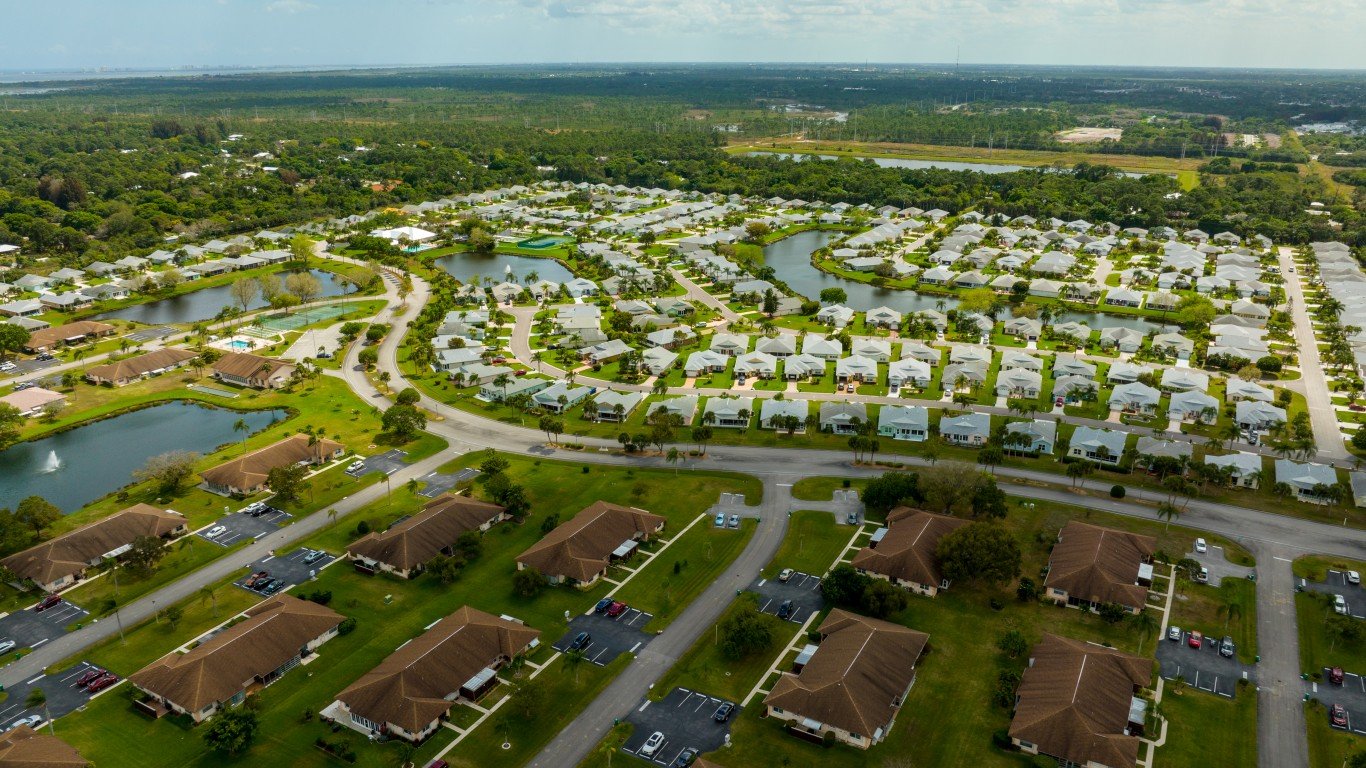
Everyone in The Villages Wants the Golf Course Lot. Almost Nobody Uses It and Everybody Pays for It
A fairway view commands a serious premium in The Villages, but the hidden costs keep compounding long after closing day, and most buyers never stop to run the actual numbers before signing.

This post may contain links from our sponsors and affiliates, and Flywheel Publishing may receive compensation for actions taken through them.
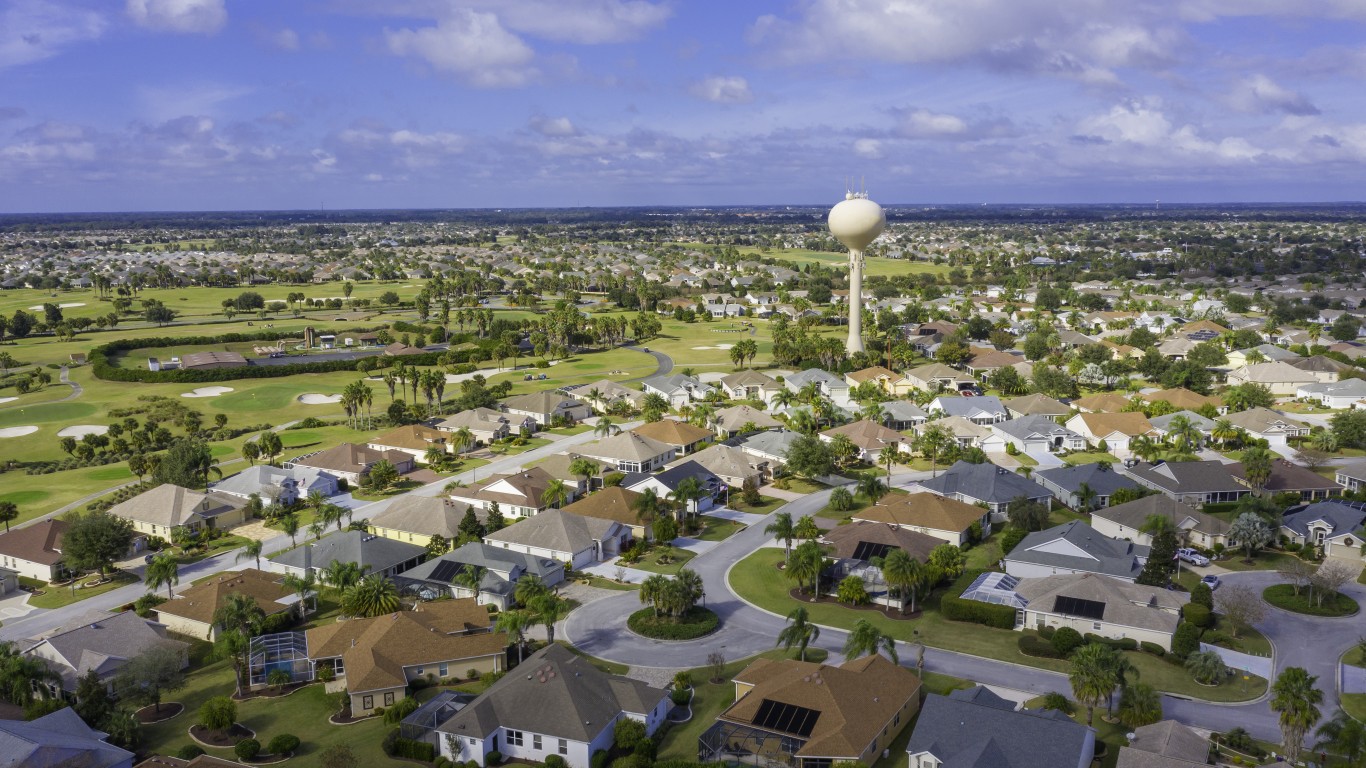
Many couples shopping in The Villages look at homes on lots backing onto a fairway, so agents in the 55+ community often get the same question: Is a golf course lot worth the extra money? A lot of those buyers golf a few times a season, or never. The premium they paid stays in their property tax bill and in their portfolio for as long as they own the house. The breakdown below covers a baseline retirement in The Villages, what the frontage adds, and what it takes to pay for both.
What a Couple Actually Spends Living in The Villages
To start, we will use the average U.S. household spending of $78,535 a year. If you adjust this number for Florida’s expense index of 103.414, a couple spends about $81,200. Now assume a home with no mortgage, without golf frontage, worth about $400,000. and a median effective property tax rate is 1.13%.
| Annual line item | Cost |
|---|---|
| Amenity fee ($211.77 a month, adjusted by CPI) | $2,540 |
| Maintenance and CDD bond (top of the $350 to $1,000+ range) | $1,000 |
| Property tax on a $400,000 home | $4,520 |
| Medicare Part B for two at $202.90 each | $4,870 |
| Everything else: food, homeowners insurance, Medigap and Part D, a car and a golf cart, maintenance, travel, gifts, reserves, federal tax on withdrawals | $67,070 |
| Total | $81,200 |
Florida ranks 1st on individual income tax in the 2025 State Tax Competitiveness Index because it has no personal income tax, so the only tax on IRA withdrawals is federal. On property tax, it ranks 21st, and that is the bill a golf lot makes bigger.
Turning the Budget Into a Portfolio Number
The SSA estimates that an average aged couple with both spouses collecting will receive $3,355 a month after the 3.6% 2027 COLA. That’s $40,260 a year, leaving the rest of the budget as a gap. At a 4% withdrawal rate, covering the gap takes roughly $1.02 million.
A 3.5% rate fits a 30-year horizon that starts in the mid-60s better, and at that rate the target is about $1.17 million. If the higher earner holds off until 70 to claim, the benefit is about 24% larger. That reduces the target, and the larger check carries over to the surviving spouse. Inflation for households 62 and older is running 3.6% year over year, which matches the COLA for now.
What the Fairway Behind the Lanai Really Costs
It should go without saying that golf frontage often sells at a premium over similar homes. The amenity fee and the CDD bond stay the same whether the lot backs to a fairway or a street. One resident shared a real example: in his neighborhood, new homes backing to an executive course sold for $135K more than matching homes across the street in 2011.
Given this, we can use $135,000 as the premium. At 1.13%, it adds about $1,525 in property taxes per year. Florida’s homestead cap slows how fast the assessed value can rise, but the premium is taxable from the first bill. The same $135,000 kept in index funds would instead generate 4% income a year. Add the two together, and the lot costs $6,925 a year. At 3.5%, it raises the portfolio target by about $178,600, to roughly $1.35 million.
Golf itself costs residents relatively little. Residents get free green fees on the executive courses. A cart only costs $8.00 to $12.00 per round, or a trail pass at $21.77 a month. Every resident gets that access no matter where the house sits. The lot’s annual cost would cover about 577 cart rounds at the higher trail fee. Frontage buys a view, plus stray balls hitting lanai screens and less privacy.
Resale data offers limited evidence that the golf premium holds its value over time. The FHFA index for Wildwood-The Villages rose 36.13% over five years and 2.61% over the past year, but it tracks the whole metro and does not break out golf lots. Funding the premium can also raise Medicare costs: a lump-sum IRA withdrawal that drives joint income above $218,000 raises Part B to $284.10 per person two years later.
What It Takes to Make the Golf Lot Pencil Out
Without frontage, a couple collecting average Social Security needs about $1.02 million to $1.17 million, drawn at 4% to 3.5% from a diversified mix of index funds and a short Treasury ladder that covers a few years of withdrawals. With a $135,000 golf lot, the number rises to roughly $1.35 million at 3.5%. The lot costs about $6,900 a year, which matters differently for two people who play several times a week and value the view.
Buyers who golf less often get the same executive-course access from a house across the street, with the $135,000 remaining in the portfolio. Before signing, run the same math on the actual premium for the specific address (we made the full case for an income-first alternative to the 4% rule in a free guide). The premium carries ongoing costs in property tax, in income the portfolio does not produce, and in a higher savings target for as long as the couple owns the house.
Contact [email protected] for any questions or corrections.
David Beren has been a Flywheel Publishing contributor since 2022. Writing for 24/7 Wall St. since 2023, David loves to write about topics of all shapes and sizes. As a technology expert, David focuses heavily on consumer electronics brands, automobiles, and general technology. He has previously written for LifeWire, formerly About.com. As a part-time freelance writer, David’s “day job” has been working on and leading social media for multiple Fortune 100 brands. David loves the flexibility of this field and its ability to reach customers exactly where they like to spend their time. Additionally, David previously published his own blog, TmoNews.com, which reached 3 million readers in its first year. In addition to freelance and social media work, David loves to spend time with his family and children and relive the glory days of video game consoles by playing any retro game console he can get his hands on.