70% of Stock Market Warning Signals Are Now Flashing. On June 16-17, Kevin Warsh Decides Where the Market Heads Next.
The Bank of America (NYSE:BAC | BAC Price Prediction) checklist of pre-peak warning signs is flashing at 70%, matching the rough average reading seen at the last seven major stock market tops over the past 35 years. That figure, attributed…


The Bank of America (NYSE:BAC | BAC Price Prediction) checklist of pre-peak warning signs is flashing at 70%, matching the rough average reading seen at the last seven major stock market tops over the past 35 years. That figure, attributed to Bank of America Global Research in a checklist recreated by SSR and circulated on X by @ThierryBorgeat, lands one week before Federal Reserve Chair Kevin Warsh takes the helm of his first Federal Open Market Committee (FOMC) meeting on June 16-17.
For market participants, the 70% figure from Bank of America is loaded and shouldn’t be misread. The post is explicit that the checklist tells you where you are in the cycle, not when a top hits, and the markets can sit near a peak for months and keep climbing.
Still, the data points deserve your attention. The S&P 500, tracked by the SPDR S&P 500 ETF Trust (NYSEARCA:SPY), sits at a level the post pegs around 7,580, up from 6,144 when the same checklist last read 70% in February 2025.
The Scary-Sounding Number
Let’s start with the headline figure: 70%. That’s the share of Bank of America’s pre-peak warning indicators currently firing, per the May reading from Bank of America Global Research.
For historical context, the same Bank of America checklist printed 88% in July 1990, 90% in March 2000, 80% in October 2007, 60% in September 2018, 50% in February 2020, and 50% in January 2022. The average across those prior peaks comes to 70%, which is the exact level today (or more precisely, in May of 2026).
What It Means
The signals Bank of America has currently flagged span sentiment, valuation, credit, and macro factors. The list includes elevated consumer confidence and bullish expectations, stretched long-term growth expectations, record merger and acquisition (M&A) activity, and extreme valuations on a combined price-to-earnings (P/E) ratio-plus-inflation basis.
Three more are firing on the credit and breadth side, per Bank of America: low-P/E-ratio stocks badly lagging high-P/E stocks, credit stress collapsed to complacent lows, and tightening lending conditions from the Senior Loan Officer Opinion Survey (SLOOS). The graphic also highlights the Conference Board’s Consumer Confidence indicator, S&P 500 long-term growth expectations, and an inverted yield curve over the prior six months as items to watch.
The macro backdrop behind SPY’s run echoes the late-cycle framing. The University of Michigan Consumer Sentiment index sank to 49.8 in April, well below the 60 recessionary threshold, while Core PCE rose to 129.63 in April, sitting at the 90.9 percentile of the past 12 months.
The Market Reaction
The SPY ETF closed at $737.05 on June 9, down from $759.57 on June 2 over the one-week window. Year to date, SPY moved from $681.92 on December 31, 2025 to $737.05 on June 9.
Today, the S&P 500 and the SPY ETF are down slightly after annualized Consumer Price Index (CPI) inflation rose to 4.2% in May, marking the CPI’s highest level since 2023. The S&P 500 was down by less than half a percent on Wednesday morning, so perhaps the market was ready for a not-so-ideal CPI print.
In any case, volatility around the SPY trade is rising into the meeting. The CBOE Volatility Index or VIX settled at 18.92 on June 8, still in the normal 15-20 range but at the 72nd percentile of the past 12 months.
The Bear Case
The setup is what worries Bank of America. Headline CPI accelerated to 4% year over year in May and core CPI rose to 3%, even as consumer sentiment collapsed into recessionary territory.
The Fed has already executed three cuts to 4%, but per the source, futures markets have shifted toward pricing possible rate hikes later in 2026 rather than cuts. That’s the opposite of what investors holding SPY at record levels want to hear.
Polymarket assigns a 99% probability of no rate change at the June 16-17 meeting. The market’s attention sits on Warsh’s first press conference as Fed Chair, where any hawkish phrasing can hit SPY valuations directly.
The 10-year/2-year Treasury spread, a classic late-cycle tell, sits at 0.4% as of June 9, down from 0.74% in early February. The curve hasn’t inverted, yet the compression aligns with the cycle phase Bank of America’s 70% reading describes.
The Bottom Line
The 70% checklist reading from Bank of America isn’t a sell signal, and the source itself rules out market timing. The same checklist read 70% in February 2025 when the S&P 500 was at 6,144, and SPY climbed substantially from there. “Late” can last a long time.
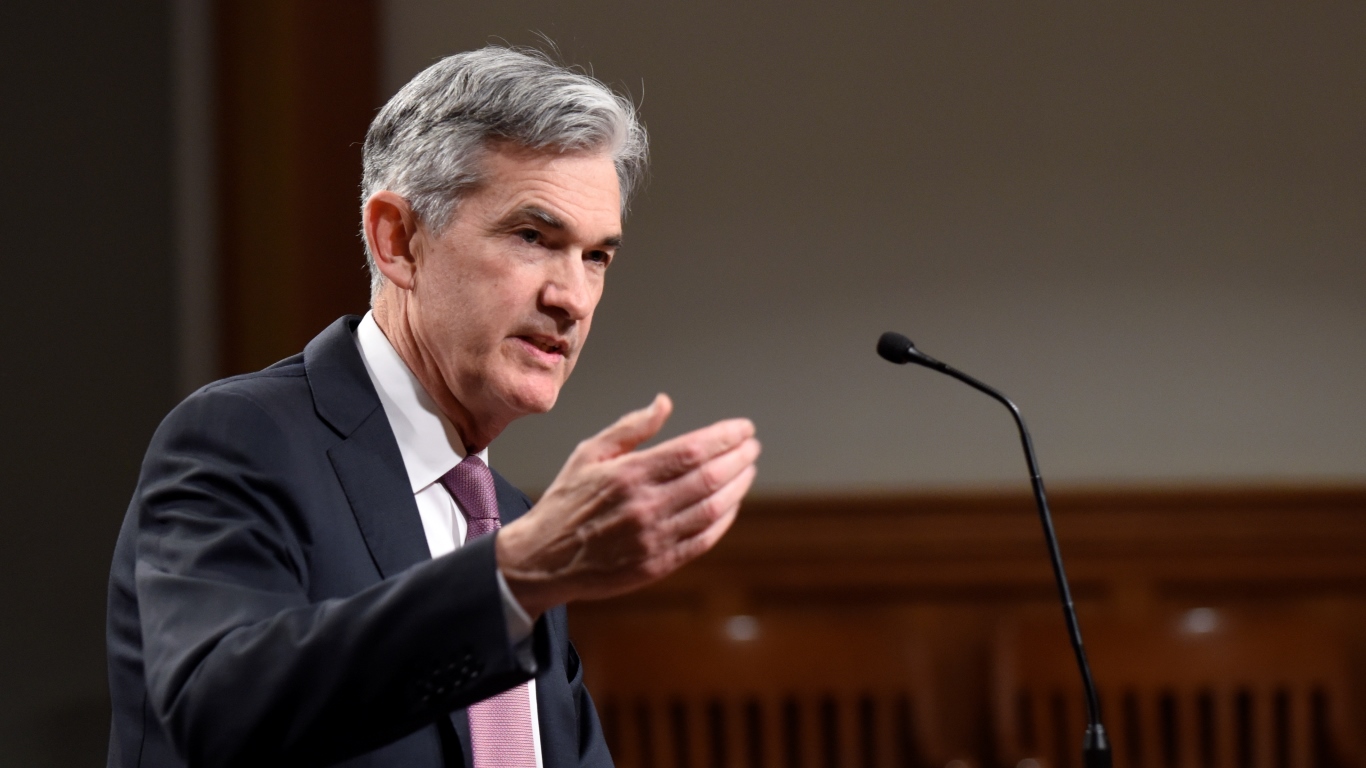
What changes the picture this month is Warsh. The Federal Reserve’s June 16-17 FOMC meeting marks his first as Fed chair, and SPY holders should expect every sentence of his press conference to be parsed for the Fed’s direction on inflation, employment, and the path of interest rates.
For investors holding broad index exposure through SPY or similar vehicles, the message is calibration, not capitulation. Late-cycle conditions can argue for tighter risk discipline, attention to position sizing, and patience on adding fresh exposure until Warsh’s first meeting reframes the path forward.
Contact [email protected] for any questions or corrections.
David Moadel is financial writer specializing in stocks, ETFs, options, precious metals, and Bitcoin. David has written well over 1,000 articles for leading online publications, helping investors understand markets, income strategies, and risk.His work has appeared in The Motley Fool, InvestorPlace, U.S. News & World Report, TipRanks, ValueWalk, Benzinga, Market Realist, TalkMarkets, Finmasters, 24/7 Wall St., and others.With a master’s degree in education, David has taught at the elementary, high school, and college levels. That teaching background shapes his writing style: clear, educational, and practical. David has also built a loyal social-media audience by providing trustworthy financial content on YouTube, X/Twitter, and StockTwits.