Jim Cramer Says a 25% Surtax Just Got Added to Everything You Buy. Congress Never Voted on It.
Jim Cramer put a precise number on what diesel is doing to every product you buy, and the math he laid out on CNBC has nothing to do with the inflation figure Washington reports. What it means for McDonald's, Walmart,…


On CNBC’s Squawk on the Street Thursday, Jim Cramer reframed a soft producer price report around a single input: diesel. He argued that America moves goods by truck, so a jump in diesel prices acts like a tax that every physical good has to carry. He put a number on it, calling it a 25% surtax that Congress never voted on and shoppers cannot opt out of, according to CNBC.
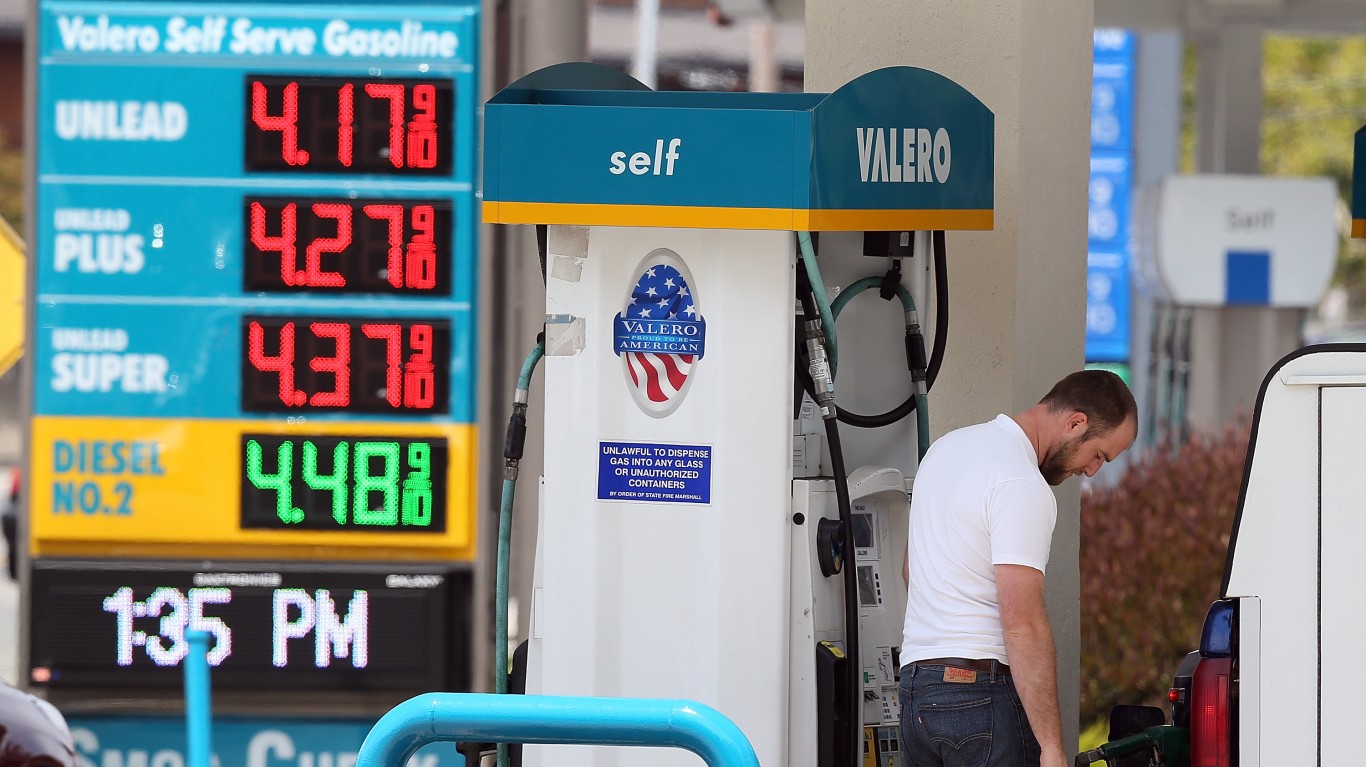
That framing lands at an awkward moment for consumer-facing equities. WTI crude is almost at $100, and the national average for regular gasoline reached $4.157 per gallon on September 7. Meanwhile, Carl Quintanilla noted on air that consumer discretionary names are down a fifth over the last month, with restaurants leading the way. The question for investors is whether that selloff already reflects Cramer’s surtax, or is only the opening move.
Why Diesel Is the Input That Matters
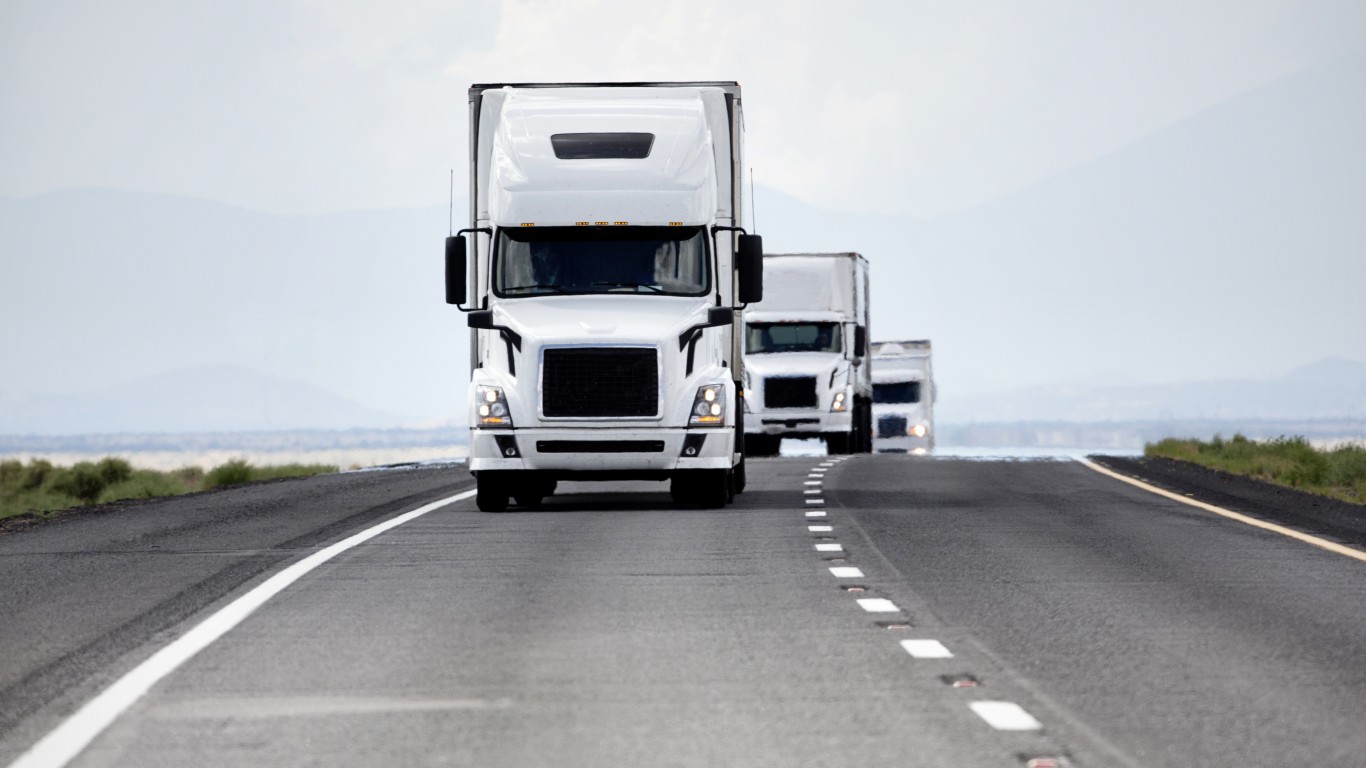
Diesel powers the trucks, and trucks touch nearly every package on a shelf. Unlike advertising or store remodels, a retailer cannot dial freight down when the fuel bill climbs. That is what gives Cramer’s 25% framing more weight than a headline number.
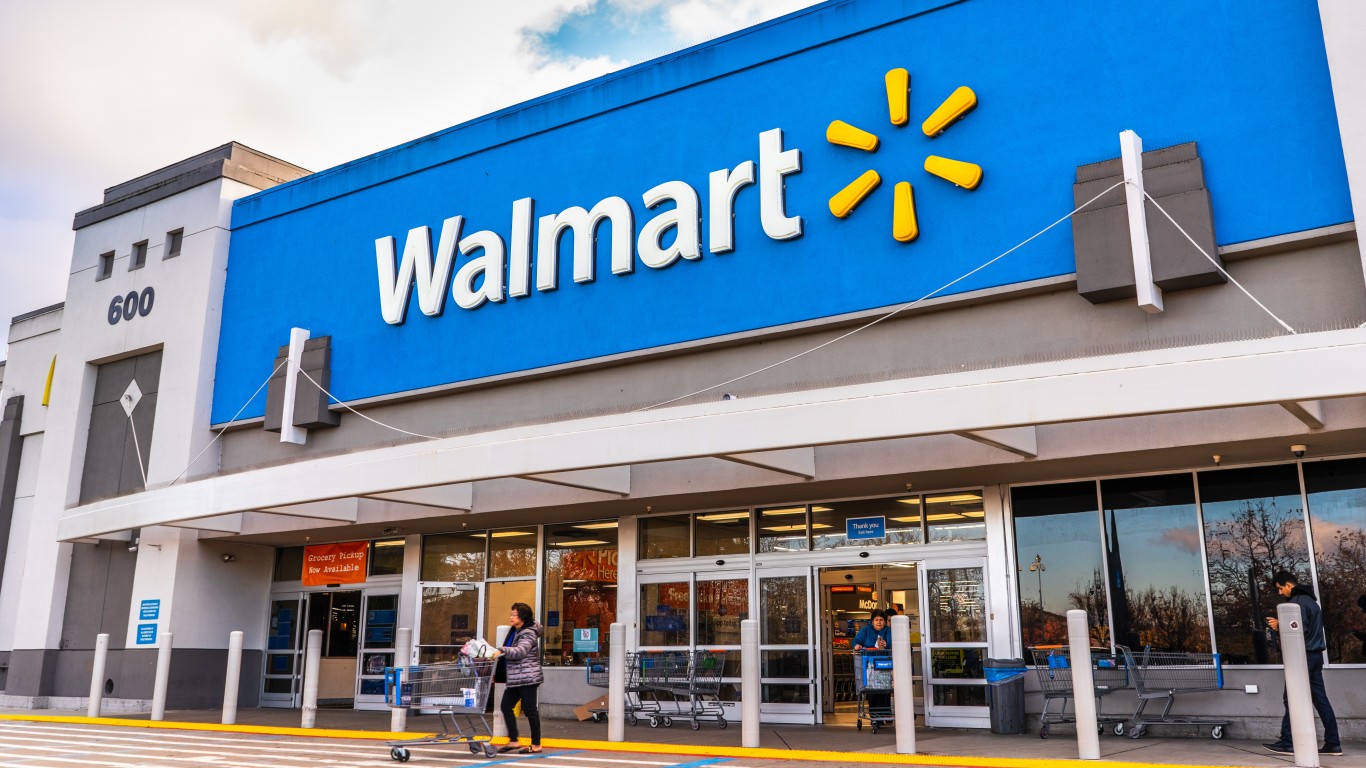
Walmart (NASDAQ:WMT | WMT Price Prediction) quantified the pressure directly. CFO John David Rainey told analysts on the August 20 call that the company now expects “more than $2 billion of incremental fuel-related costs this year above and beyond our original guidance assumptions.” He also warned about a psychological threshold, saying “You can tell when fuel prices increase and got above $4 and perhaps there’s a psychological impact to that, that there are choices that consumers are making.”
McDonald’s (NYSE:MCD) echoed the theme from a different angle. CFO Ian Borden pointed to “continued inflationary pressures on things like food and paper and labor” and said the company pushed its 50,000-restaurant target from 2027 to 2028 because development costs kept climbing.
Cramer’s math sits above headline CPI, but it fits the operating commentary retailers are already giving. On air, he added, “we are a trucking nation… we are not a train nation.” CNBC noted crude was on an eight-day winning streak, described as about three years in the making.
Employment Cushion Cramer Doesn’t Trust
Cramer conceded the offset. He said, “Eventually it’s going to run into the consumer. It hasn’t yet because the consumer has a job and… the wages are running a little bit ahead of inflation, according to Brian Moynihan, the CEO of Bank of America.” He treats that cushion as temporary, not durable.
The sentiment data supports his skepticism. The University of Michigan index sat at 55.2 in July, still below the 60 line the source flags as recessionary. It has been climbing from the 44.8 May reading, but from a low base.
My read: a job cushion beats a compounding energy cost only while payrolls hold. Once weekly hours slip or hiring cools, households facing $4.16 gasoline stop buying the marginal restaurant meal and trade down at the register. That is when Cramer’s surtax stops being a wholesale story and becomes an earnings story.
The 10-year Treasury yield at 4.83% is not helping. Higher long rates raise financing costs for retailers rebuilding supply chains and pressure the multiples investors will pay for slower-growing consumer names.
What the Market Has Already Priced Into MCD, TGT, and WMT
The market shows selective damage. McDonald’s is down 15.58% year to date, with global comparable sales growth of only 1.3% last quarter confirming the traffic problem Cramer worries about.
Walmart is off 6.43% in the past month, even after receiving approximately $2.9 billion of tariff refunds that it is reinvesting into prices. Management flagged that a large share of the reinvestment lands in Q3, so the next report is the one to watch.
Target (NYSE:TGT) is the outlier, up 63.63% year to date on a Q2 that included a $994 million pretax IEEPA tariff refund contributing $1.65 to EPS. Strip that out, and the underlying story is adjusted EPS up roughly 20% versus a year ago, per CFO Jim Lee. You can read the details in Target’s Q2 8-K.
The broader read is that the XLY consumer discretionary ETF is down 6.11% in the past month, so restaurants and low-ticket retail have taken the first hit. Crude rolling back under $80, with diesel following, would be the trigger for a reversal. Until then, Cramer is early but directionally correct.
Is MCD Stock a Buy?
McDonald’s is the cleanest way to test Cramer’s thesis, because its franchisees carry both food and freight inflation directly. At $253.02, the stock has already discounted the traffic weakness Kempczinski described.

But the $3.38 adjusted EPS beat rode on international strength, and July U.S. comps went slightly negative. That is not a base you buy aggressively into a diesel spike.
Walmart looks better positioned given scale, food mix, and tariff-refund reinvestment, and Target’s turnaround is real but partly refund-flattered. The setup on MCD warrants patience. Watch for oil to roll or for management’s September 23 investor day to reset the growth path before revisiting the thesis.
Contact [email protected] for any questions or corrections.
Omor Ibne Ehsan is a writer at 24/7 Wall St. He is a self-taught investor with a focus on growth, cyclical, and dividend equities that have strong fundamentals, value, and long-term potential. He also has an interest in high-risk, high-reward investments such as penny stocks.