Saving The Economy By Forgiving Or Putting Off Debt Payments
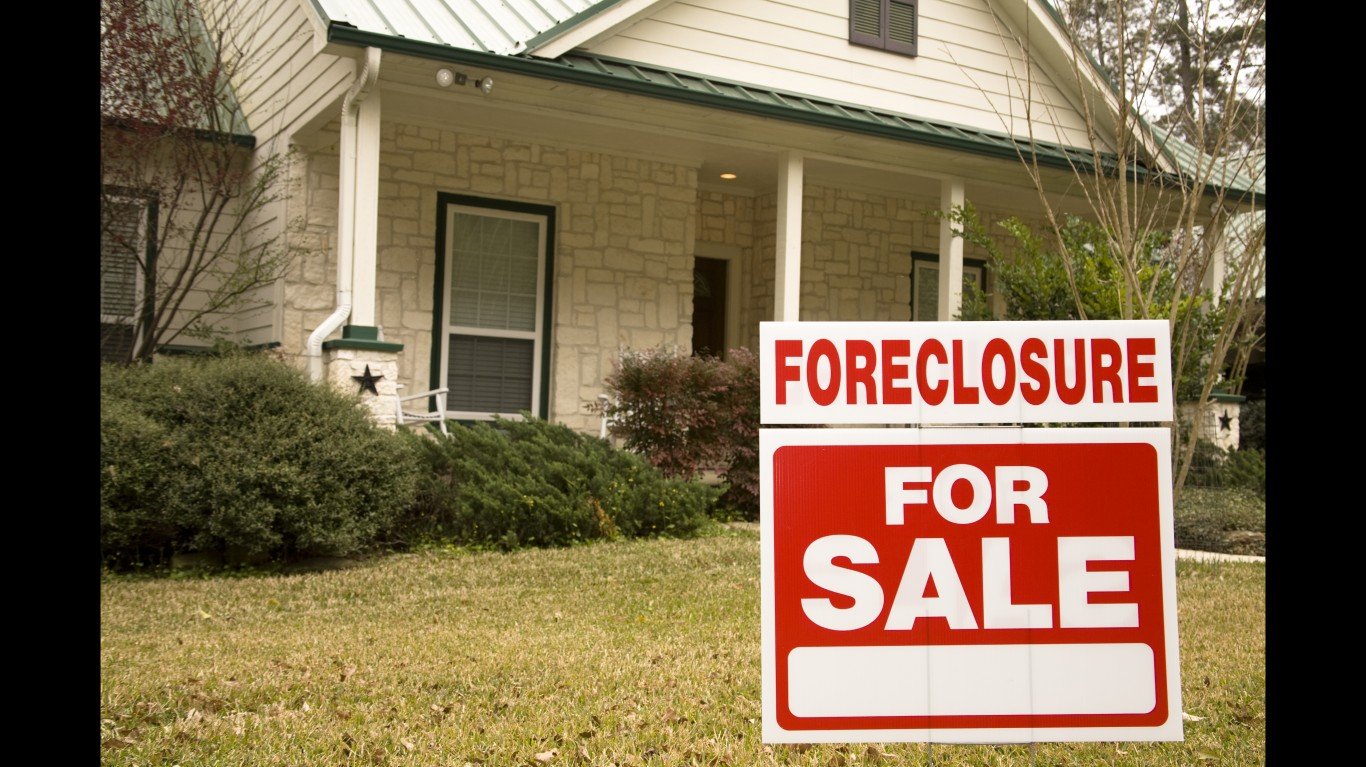
A sort of shadow economy has been forming. The sherriff in Cook Country, Illinois has stopped enforcing evictions on may foreclosed homes. According to The Chicago Tribune, Sherriff Tom Dart cited the growing number of evictions that involve rent-paying tenants…

 A sort of shadow economy has been forming. The sherriff in Cook Country, Illinois has stopped enforcing evictions on may foreclosed homes. According to The Chicago Tribune, Sherriff Tom Dart cited the growing number of evictions that involve rent-paying tenants who suddenly learn their building is in foreclosure because the landlord neglected to pay the mortgage. By refusing to do any foreclosure-related evictions, the hope is that banks will change their policies.
That is the story which has received national attention, but there are a great many similar activities at the level of the economy where people actually make payments for homes, offices, and cars.
Commercial landlords who are not getting monthly rent payments from their tenants are often letting the matter slip or are giving renters better terms, at least for now. The actions are not entire selfless. Most landlords cannot find businesses to take the place of those companies who will be thrown out.
In many cases, the commercial landlord has only been able to get the mortgage for buying his property with by showing his tenant leases to the bank. An admission of delinquent rent payments could be tantamount to a mortgage foreclosure, another significant reason to do a "work-out" with a tenant.
The car lending business is also changing radically. Some banks won’t repossess cars because they cannot sell them for the value of the loan. According to CNBC, "lenders are better off seeing if they can re-work delinquent auto loans as opposed to just taking the keys back."
The new culture of forbearance will not save the economy, but it may give it a bit of help.
Douglas A. McIntyre
Contact [email protected] for any questions or corrections.
Douglas A. McIntyre is the co-founder, chief executive officer and editor in chief of 24/7 Wall St. and 24/7 Tempo. He has held these jobs since 2006.
McIntyre has written thousands of articles for 24/7 Wall St. He is an expert on corporate finance, the automotive industry, media companies and international finance. He has edited articles on national demographics, sports, personal income and travel.
His work has been quoted or mentioned in The New York Times, The Wall Street Journal, Los Angeles Times, The Washington Post, NBC News, Time, The New Yorker, HuffPost USA Today, Business Insider, Yahoo, AOL, MarketWatch, The Atlantic, Bloomberg, New York Post, Chicago Tribune, Forbes, The Guardian and many other major publications. McIntyre has been a guest on CNBC, the BBC and television and radio stations across the country.
A magna cum laude graduate of Harvard College, McIntyre also was president of The Harvard Advocate. Founded in 1866, the Advocate is the oldest college publication in the United States.
TheStreet.com, Comps.com and Edgar Online are some of the public companies for which McIntyre served on the board of directors. He was a Vicinity Corporation board member when the company was sold to Microsoft in 2002. He served on the audit committees of some of these companies.
McIntyre has been the CEO of FutureSource, a provider of trading terminals and news to commodities and futures traders. He was president of Switchboard, the online phone directory company. He served as chairman and CEO of On2 Technologies, the video compression company that provided video compression software for Adobe’s Flash. Google bought On2 in 2009.