‘Tariffs Hurt the Heartland’ Aims at Trump
Better late than never. A group of businesses has launched an initiative called "Tariffs Hurt the Heartland."


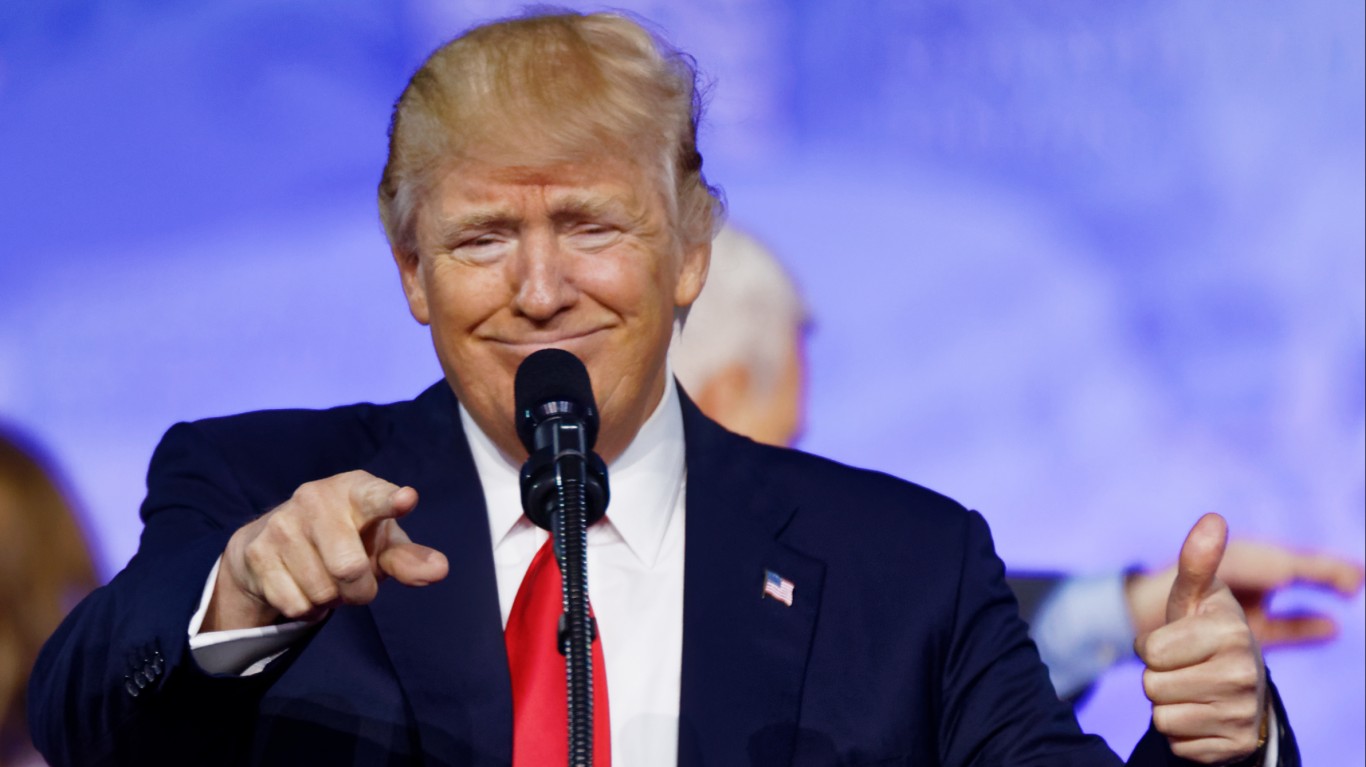
Better late than never. A group of businesses has launched an initiative called “Tariffs Hurt the Heartland.” It is part of a larger initiative by American businesses that hope President Trump will back down from hundreds of billions of tariffs he will place on imports, particularly from China.
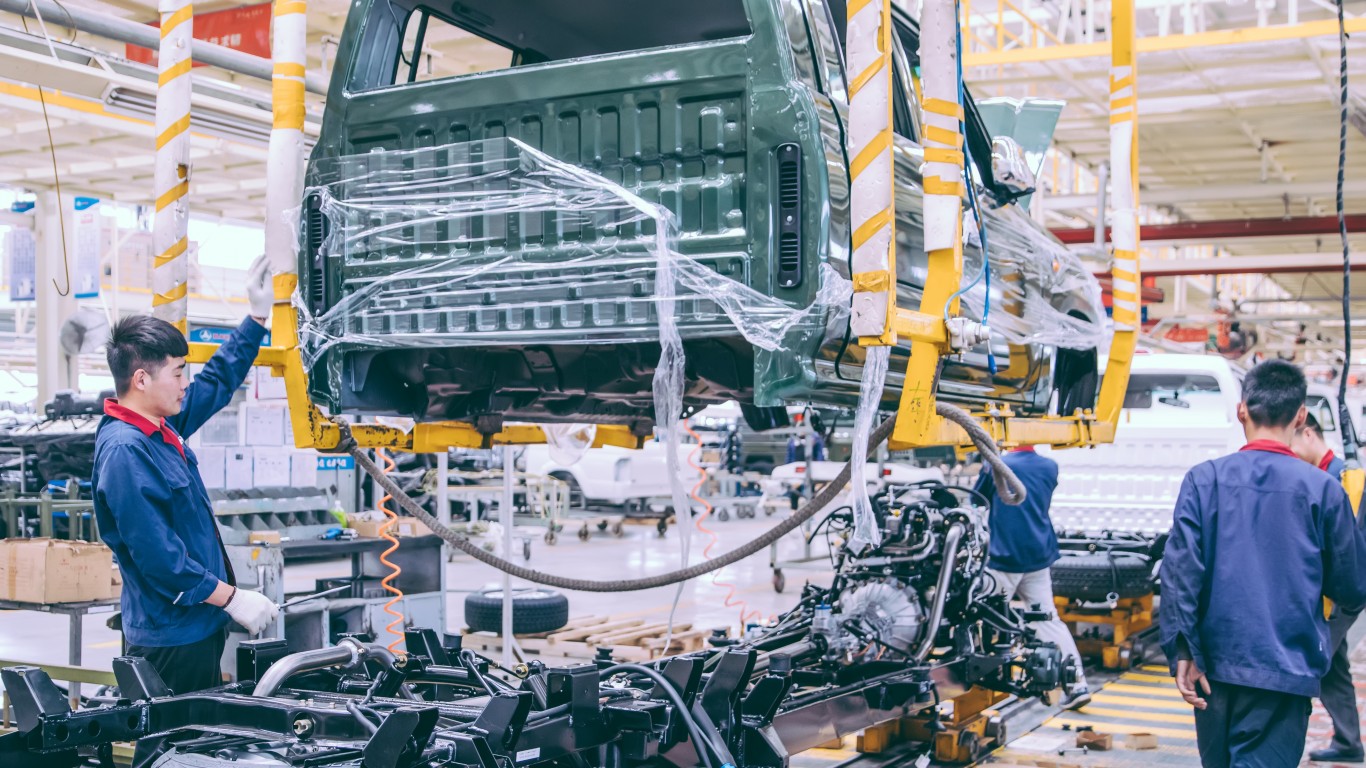
In a video campaign “Tariffs Hurt the Heartland,” the group says that American workers, from farmers to factory workers, are not a “rounding error” in an economy that could spin downward because of a trade war. The effect was always a possibility from the time the president first made it clear his trade policy would be driven by tariffs.
The primary message the group sends in the video is that the U.S. economy and jobs are at stake. Experts have argued this for months. However, for some businesses, it appears to be an epiphany. And the campaign is only days before tariffs start to bite.
The other side of the argument is that tariffs will add jobs to the U.S. economy. Only recently the president suggested Apple Inc. (NASDAQ: AAPL) move production into the United States from Asia. In theory, this would add manufacturing jobs in America. It would also increase Apple’s “costs of goods sold” and force the company to raise prices. That, in turn, could undermine demand for Apple products, which would hurt Apple’s profits and its ability to support more jobs.
Tariffs may hurt the heartland. They also will hurt tech and other higher-end businesses that help fuel the U.S. economy. For the time being, some new tariffs have gone into place, or will soon. “Tariffs Hurt the Heartland” will get to prove its point while jobs are already likely to be bleeding out of the economy.
Contact [email protected] for any questions or corrections.
Douglas A. McIntyre is the co-founder, chief executive officer and editor in chief of 24/7 Wall St. and 24/7 Tempo. He has held these jobs since 2006.
McIntyre has written thousands of articles for 24/7 Wall St. He is an expert on corporate finance, the automotive industry, media companies and international finance. He has edited articles on national demographics, sports, personal income and travel.
His work has been quoted or mentioned in The New York Times, The Wall Street Journal, Los Angeles Times, The Washington Post, NBC News, Time, The New Yorker, HuffPost USA Today, Business Insider, Yahoo, AOL, MarketWatch, The Atlantic, Bloomberg, New York Post, Chicago Tribune, Forbes, The Guardian and many other major publications. McIntyre has been a guest on CNBC, the BBC and television and radio stations across the country.
A magna cum laude graduate of Harvard College, McIntyre also was president of The Harvard Advocate. Founded in 1866, the Advocate is the oldest college publication in the United States.
TheStreet.com, Comps.com and Edgar Online are some of the public companies for which McIntyre served on the board of directors. He was a Vicinity Corporation board member when the company was sold to Microsoft in 2002. He served on the audit committees of some of these companies.
McIntyre has been the CEO of FutureSource, a provider of trading terminals and news to commodities and futures traders. He was president of Switchboard, the online phone directory company. He served as chairman and CEO of On2 Technologies, the video compression company that provided video compression software for Adobe’s Flash. Google bought On2 in 2009.