Another Rating Cut for U.S. Debt?
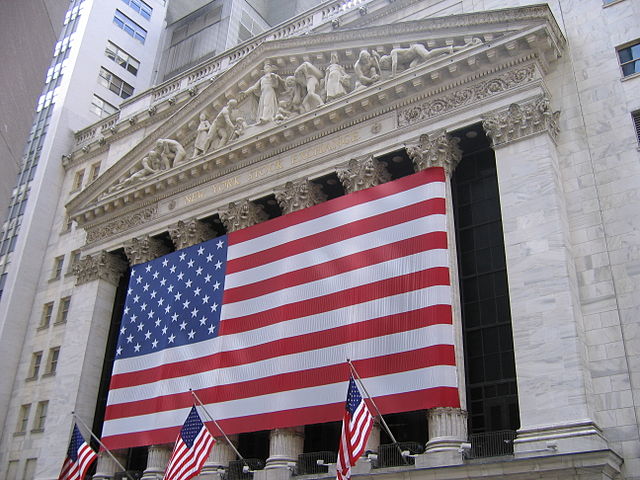
Frank Golhen, via Wikimedia CommonsAt this point, it may not take much for bond rating agencies to do what S&P did in August 2011 — cut ratings on U.S. sovereign paper. The firms have every reason to do so. Negotiations…

 At this point, it may not take much for bond rating agencies to do what S&P did in August 2011 — cut ratings on U.S. sovereign paper. The firms have every reason to do so. Negotiations over the fiscal cliff have nearly stopped. The Treasury Department says that America is almost to the point of reaching its $16.4 trillion debt limit. The department may be able to stretch some obligations, but the limit has been hit nonetheless.
The S&P action did not have much effect in 2011, or later. The U.S. has been able to borrow capital at historically low yields. Most of the cause for that is a “flight to safety” because of deep concern over the sovereign paper issued by many European nations. However, the economies of some of those countries may have stopped deteriorating. And there are funds willing to take risk that a small recovery in some parts of Europe will make them money. That means some amount of capital will head toward the region.
No one can answer at what point U.S. debt becomes substantially more risky than it has been for decades. A settlement about taxes and spending could cause the bond market to believe that chances are that the deal is good enough to sustain risk levels where they are. The debt cap is another issue entirely. Congress may only agree to a small increase against the White House’s desire for one that is nearly limitless. The battle between these two positions could go on for months, with very small increases in the cap accompanying vicious debate about its long-term future.
Credit rating agencies often will wait and see how risk markers play out before they change the rating of one debt instrument or another. In the case of U.S. sovereign paper, there may be enough evidence that Congress and the Obama Administration will wrangle over key financial problems well into next year. That may cause the credit rating firms to move out in front of the situation and cut ratings soon.
Douglas A. McIntyre
Contact [email protected] for any questions or corrections.
Douglas A. McIntyre is the co-founder, chief executive officer and editor in chief of 24/7 Wall St. and 24/7 Tempo. He has held these jobs since 2006.
McIntyre has written thousands of articles for 24/7 Wall St. He is an expert on corporate finance, the automotive industry, media companies and international finance. He has edited articles on national demographics, sports, personal income and travel.
His work has been quoted or mentioned in The New York Times, The Wall Street Journal, Los Angeles Times, The Washington Post, NBC News, Time, The New Yorker, HuffPost USA Today, Business Insider, Yahoo, AOL, MarketWatch, The Atlantic, Bloomberg, New York Post, Chicago Tribune, Forbes, The Guardian and many other major publications. McIntyre has been a guest on CNBC, the BBC and television and radio stations across the country.
A magna cum laude graduate of Harvard College, McIntyre also was president of The Harvard Advocate. Founded in 1866, the Advocate is the oldest college publication in the United States.
TheStreet.com, Comps.com and Edgar Online are some of the public companies for which McIntyre served on the board of directors. He was a Vicinity Corporation board member when the company was sold to Microsoft in 2002. He served on the audit committees of some of these companies.
McIntyre has been the CEO of FutureSource, a provider of trading terminals and news to commodities and futures traders. He was president of Switchboard, the online phone directory company. He served as chairman and CEO of On2 Technologies, the video compression company that provided video compression software for Adobe’s Flash. Google bought On2 in 2009.