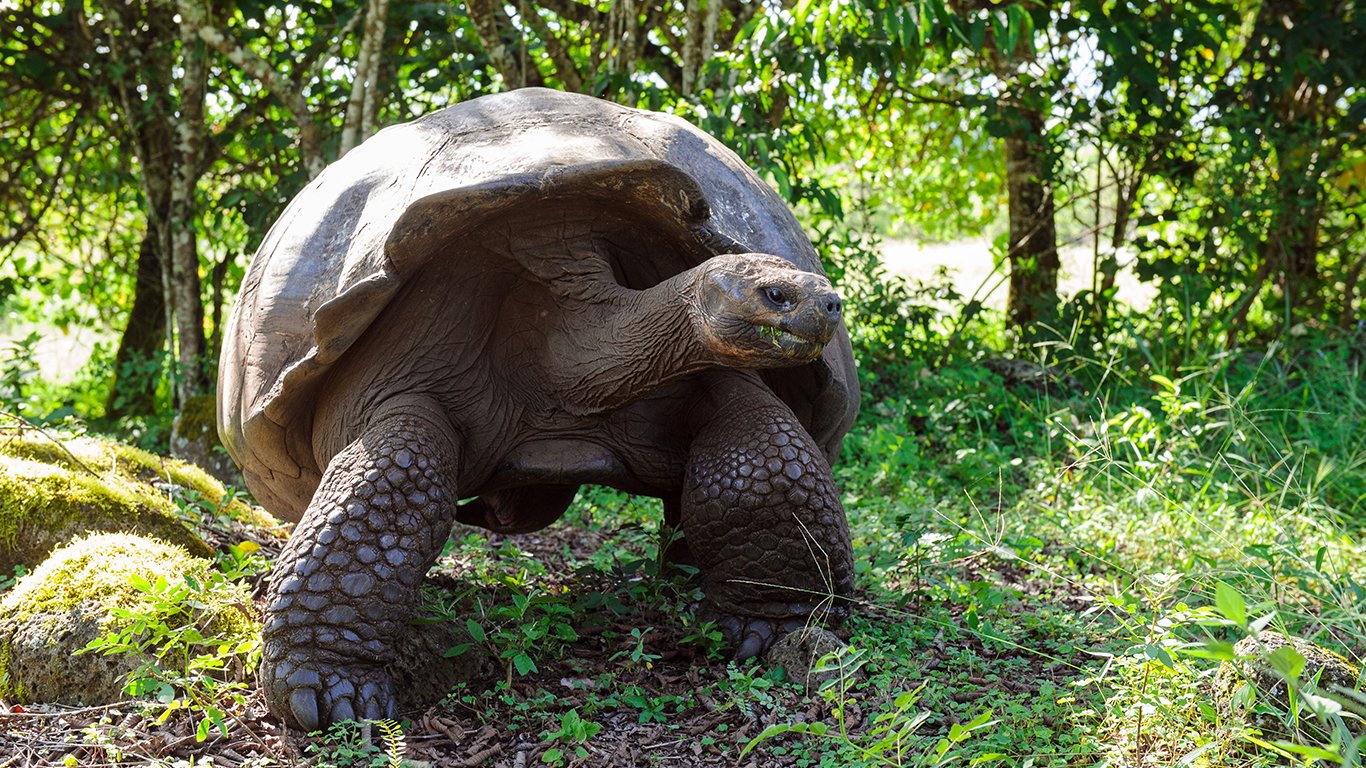
44 Most Exotic Animals People Keep as Pets
Americans love their dogs and cats — they’re by far the most common pets in the U.S. Some prefer cold-blooded reptiles like snakes and turtles, and care for them just as tenderly. Others go for the exotic and unique. Have…

Americans love their dogs and cats — they’re by far the most common pets in the U.S. Some prefer cold-blooded reptiles like snakes and turtles, and care for them just as tenderly. Others go for the exotic and unique. Have you ever considered having a four-eyed possum as a pet? How about a little rodent that goes by the name of degu?
24/7 Wall St. identified 44 particularly exotic animals that people actually own as pets. We reviewed news, pet expertise websites and other internet sources to compile our list. Not one of these animals is native to the United States, but some may be imported as pets.
It’s important to note that not all of these foreign creatures are allowed to be kept as pets in every state, and some are illegal everywhere in the U.S. For example, the fennec fox, which is native to northern Africa, is one of the fox species most commonly owned as a pet in the U.S. But as of 2014, Minnesota, Missouri, Nevada, and Washington have banned possession of fennec foxes. Another handful of states — Florida, Indiana, Illinois, Michigan, and Texas — require a permit or health certificate to have a fennec fox as a pet.
Some of these exotic animals are rarely kept as pets, but they can be, if desired. The zorilla, or striped polecat, for example, has gained the reputation as one of the smelliest animals on earth, and for that reason is not a popular pet. Its North American cousin the skunk is more likely to be welcomed into the household as a pet, if that is an indication of anything.
Click here to see the most exotic animals people keep as pets.
24/7 Wall St. identified 44 exotic animals that people own as pets by looking at sources, namely news site Words I Seek and pet expertise website Pethelpful. Not one of these animals is native to the United States, but some may be imported as pets.
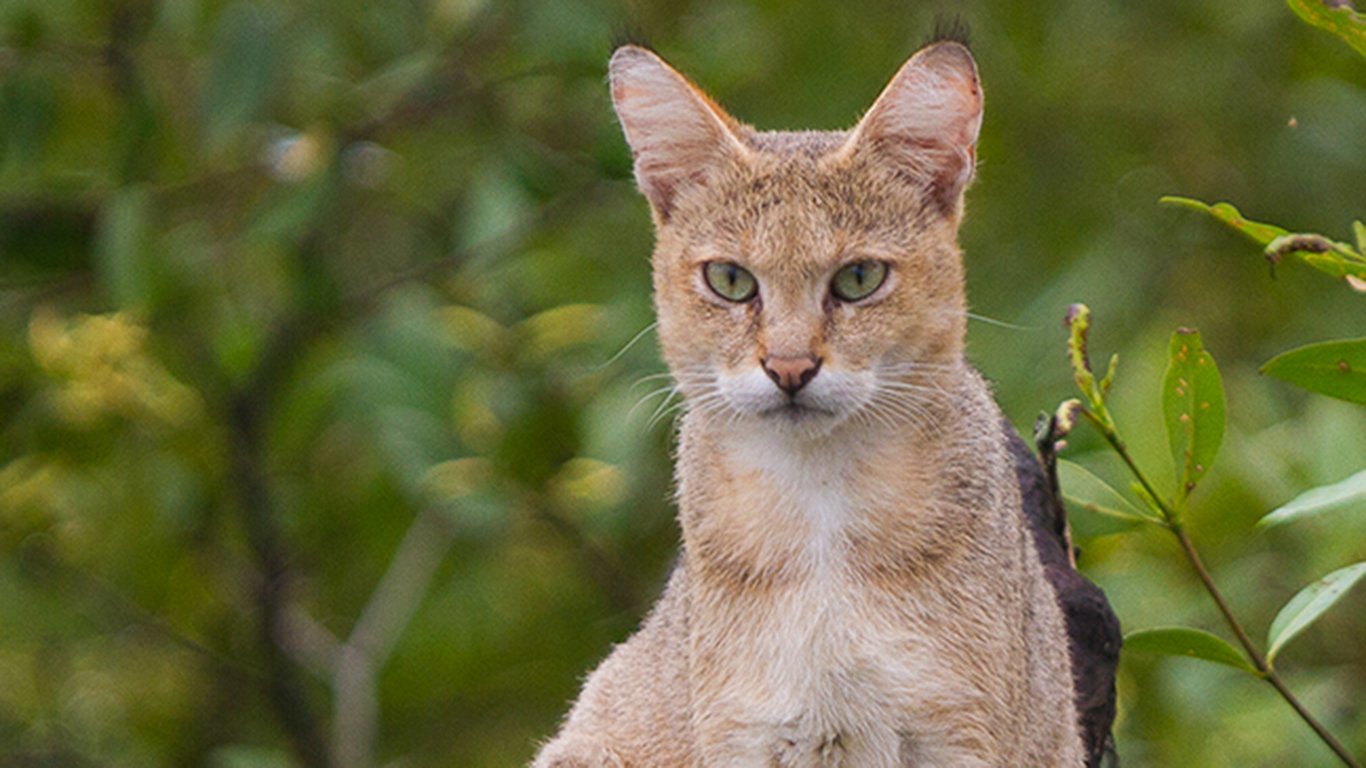
1. African Jungle cat
> Natural habitat: Africa
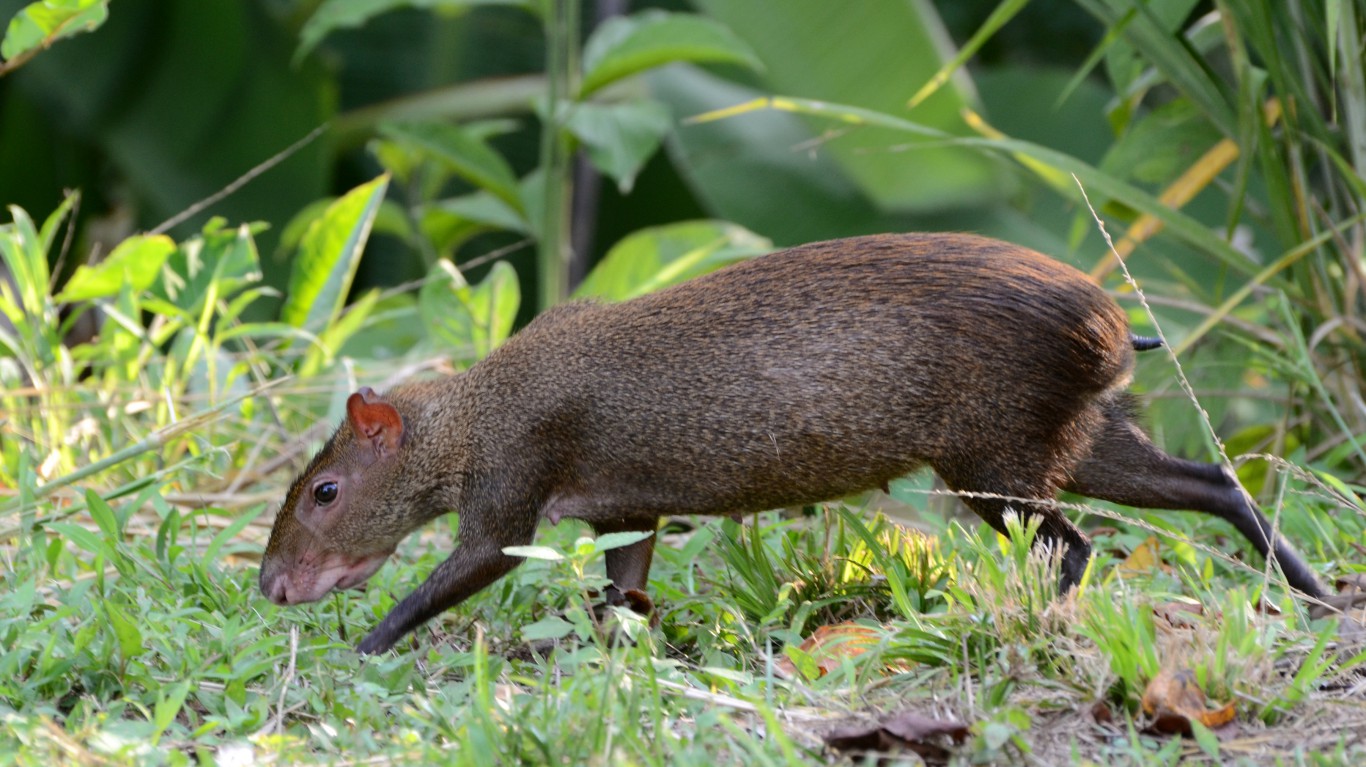
2. Agouti
> Natural habitat: Central/South America
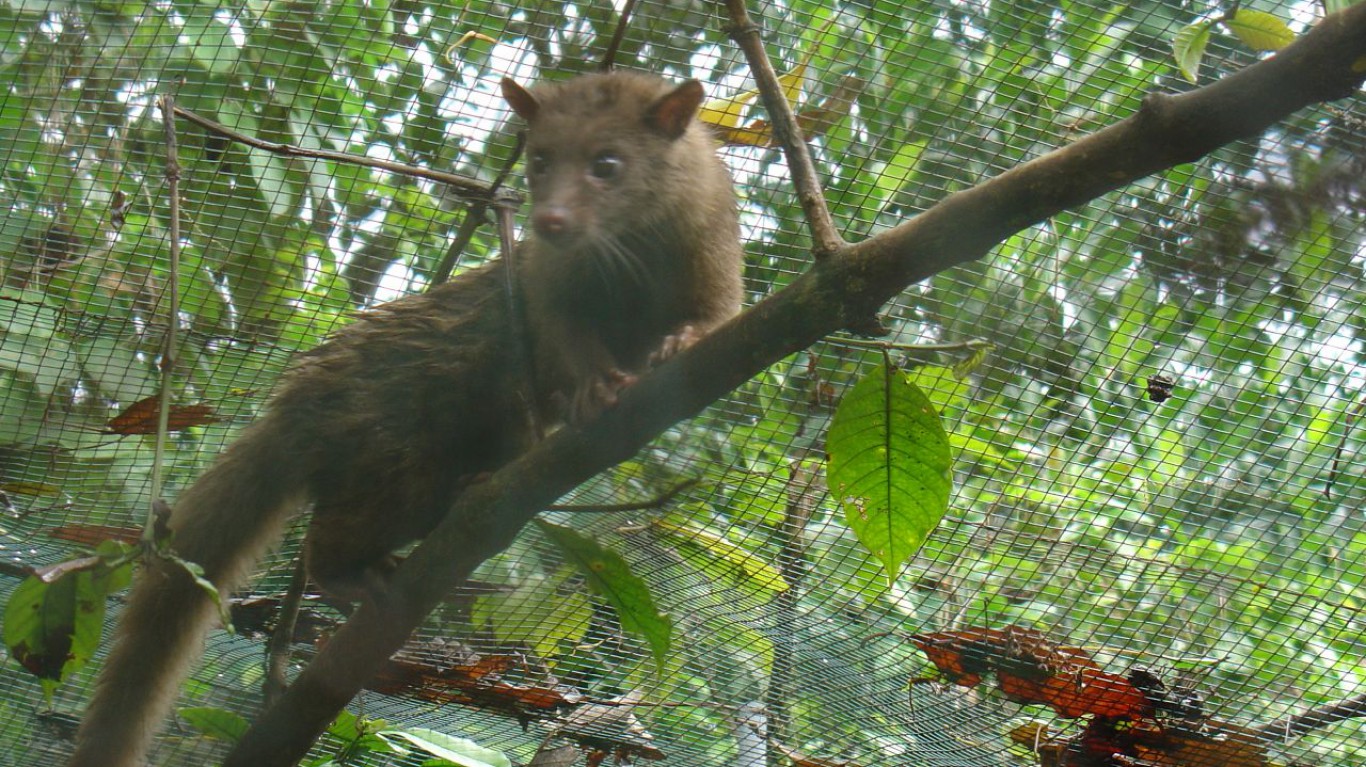
3. Asian palm civet
> Natural habitat: Asia
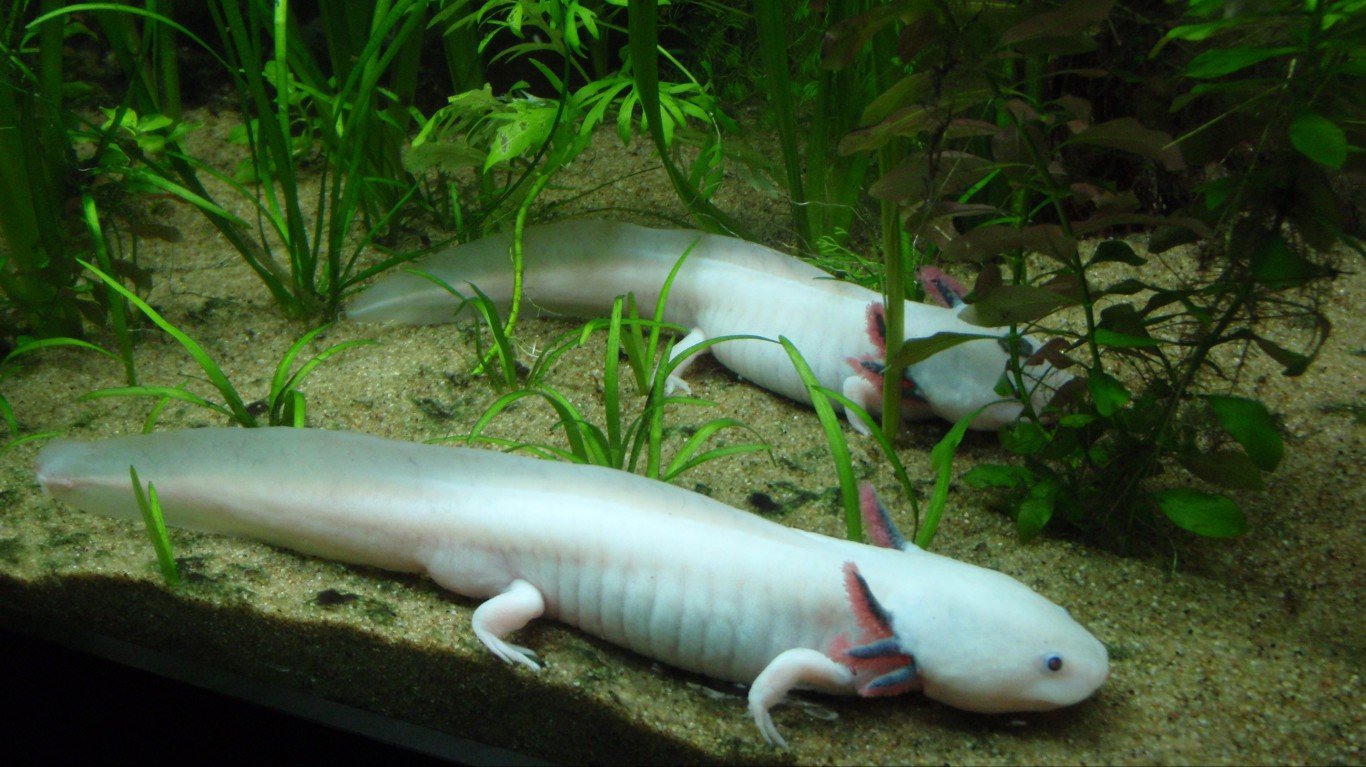
4. Axolotl
> Natural habitat: Mexico
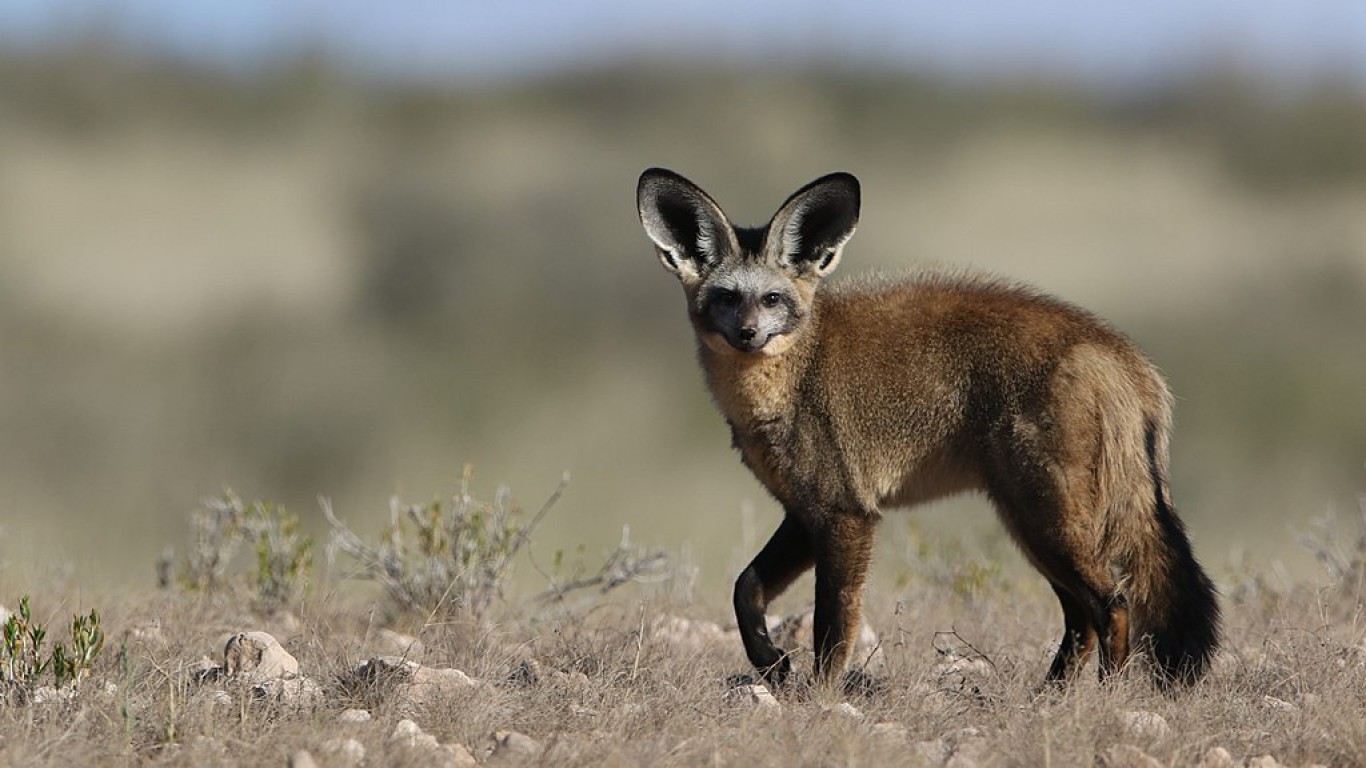
5. Bat-eared fox
> Natural habitat: Africa
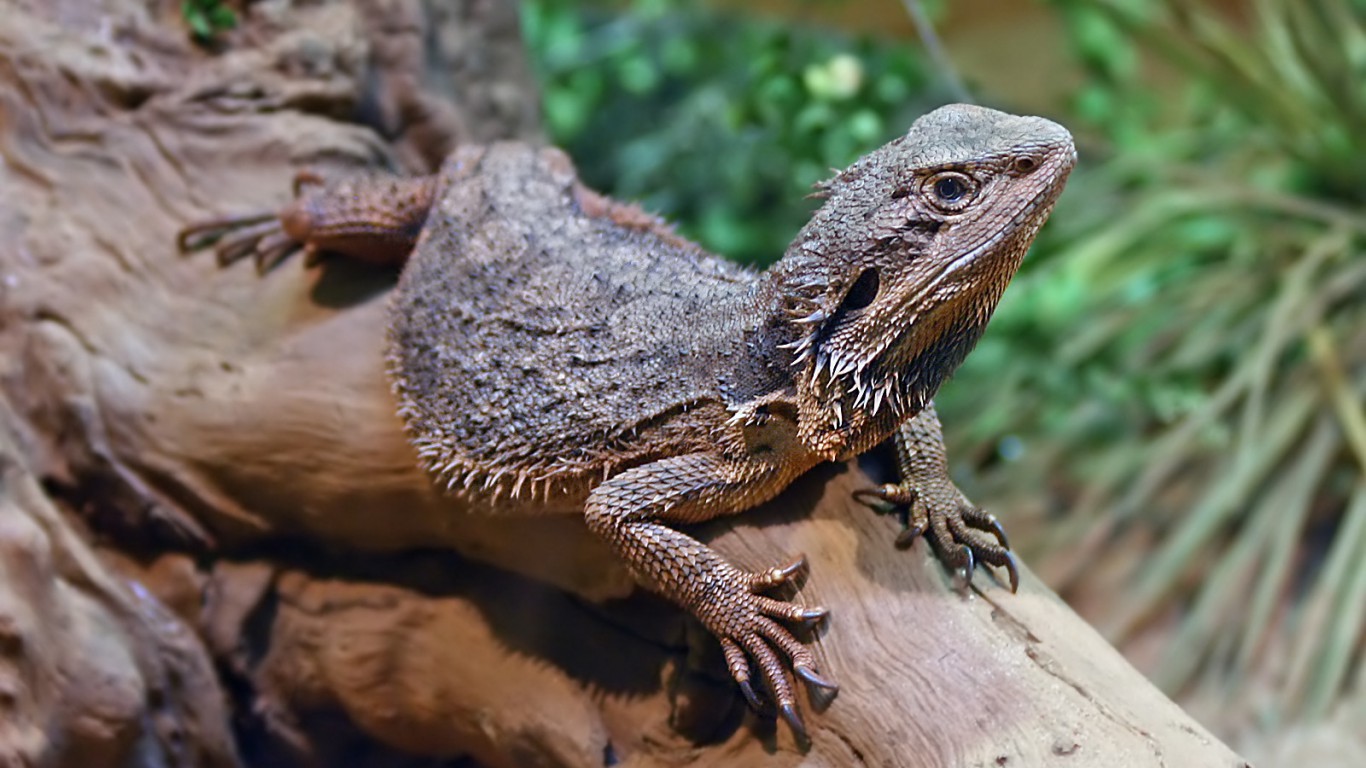
6. Bearded Dragon Lizard
> Natural habitat: Australia
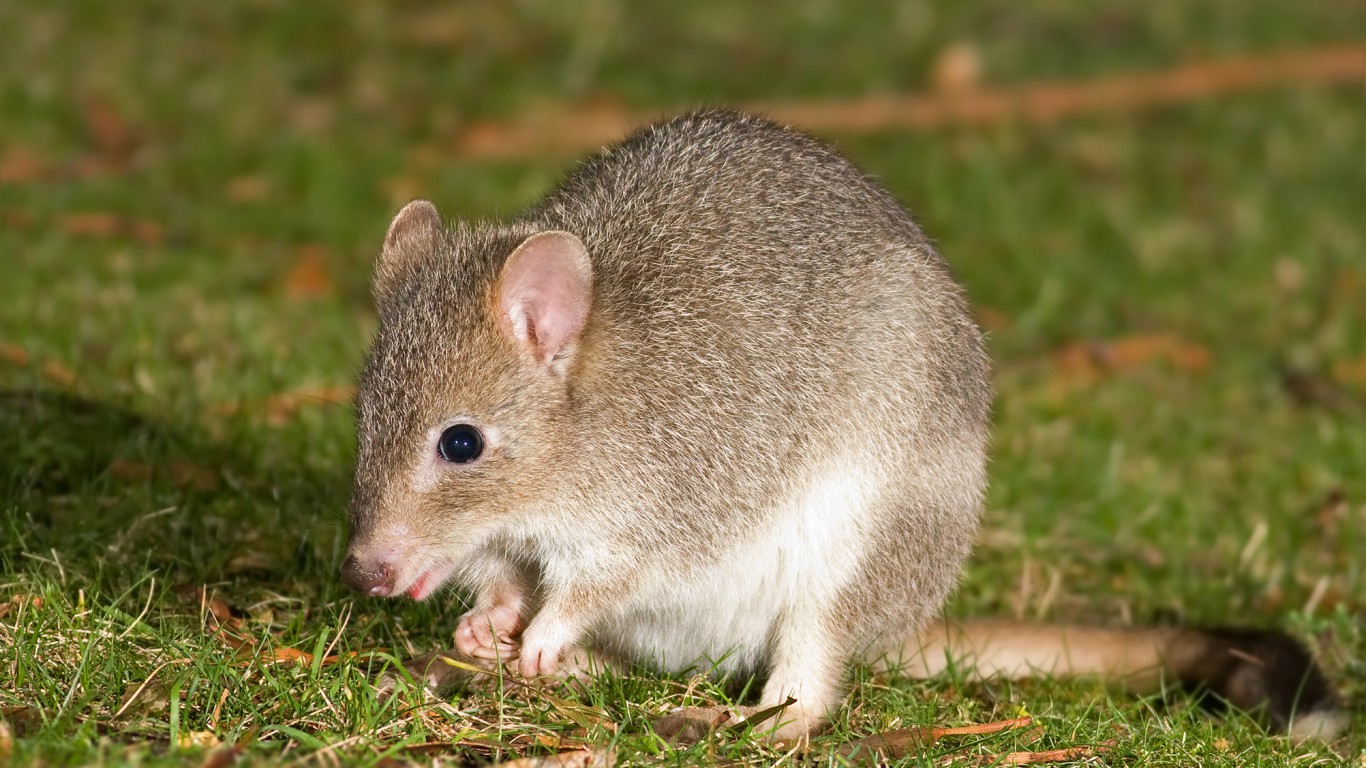
7. Bettong
> Natural habitat: Australia
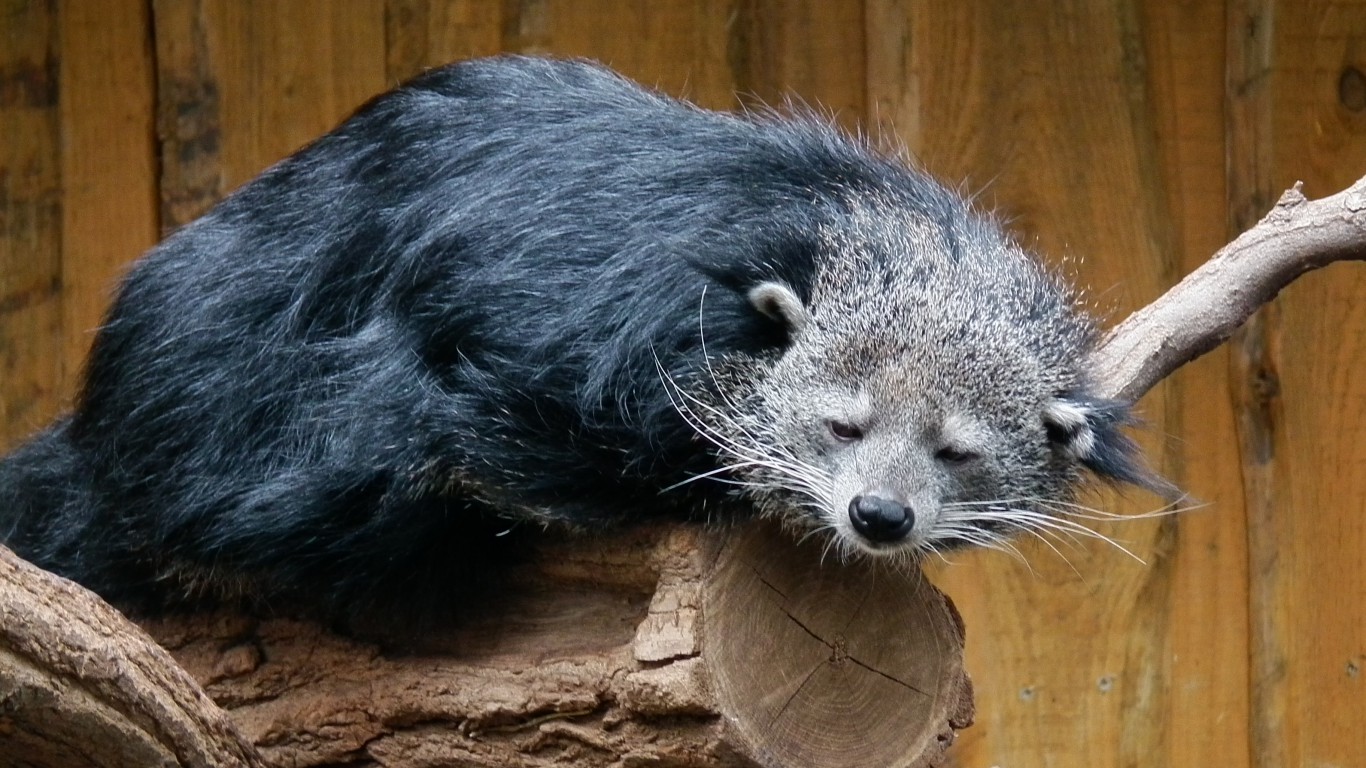
8. Binturong
> Natural habitat: Southeast Asia
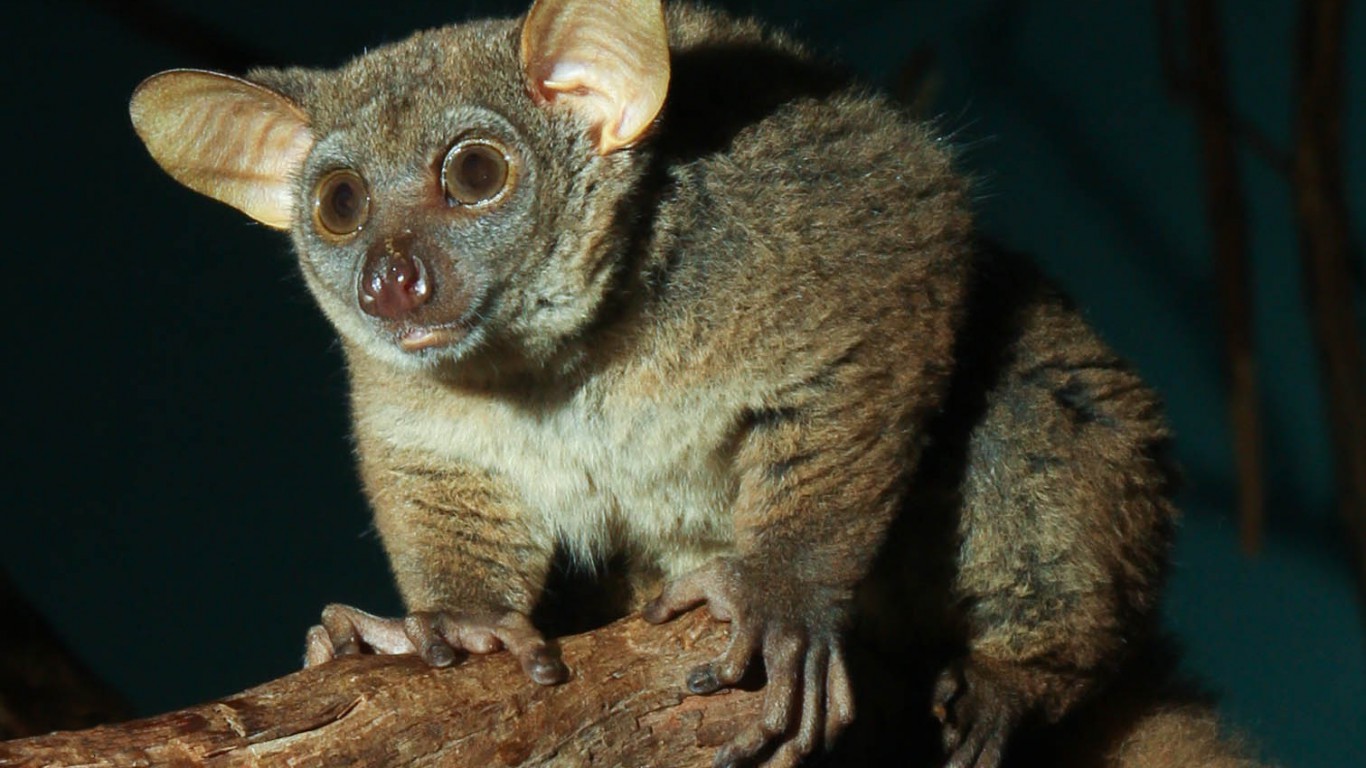
9. Bush Baby
> Natural habitat: Africa
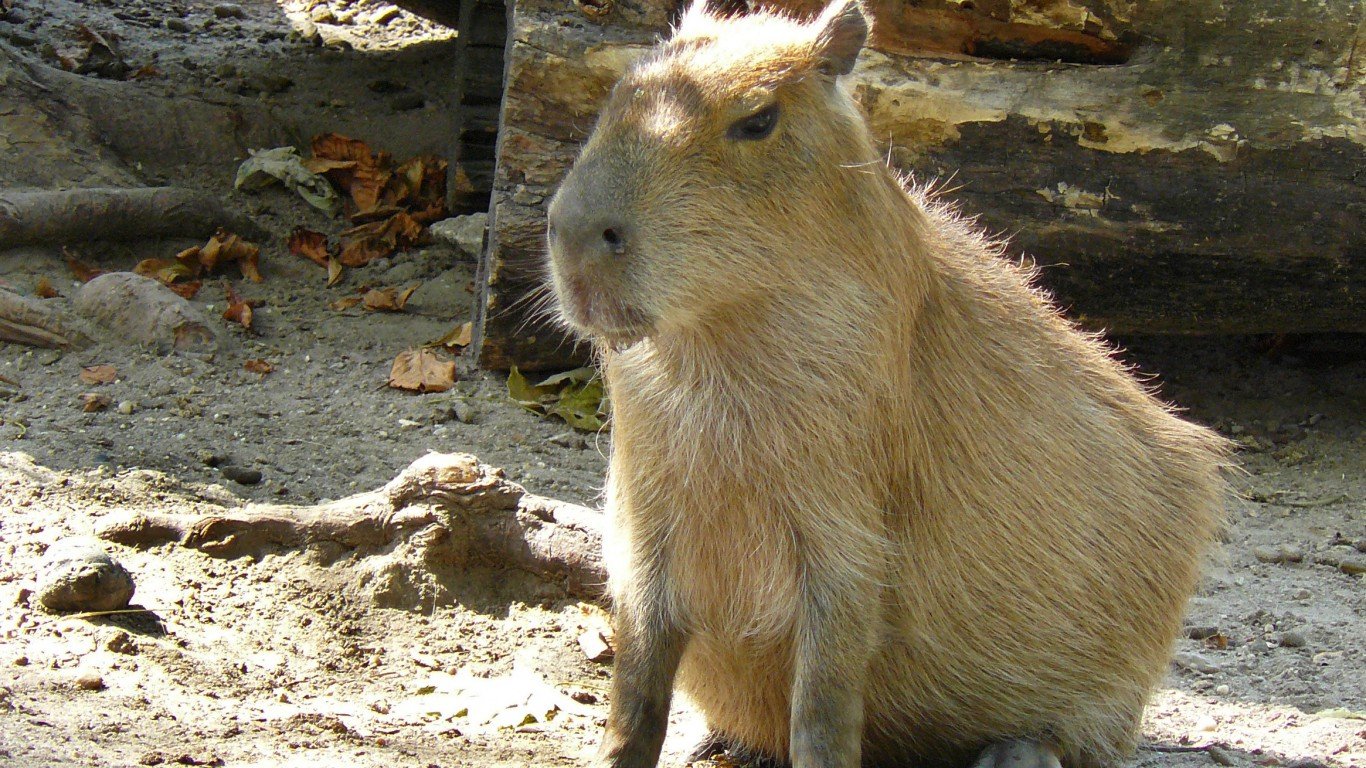
10. Capybara
> Natural habitat: Japan
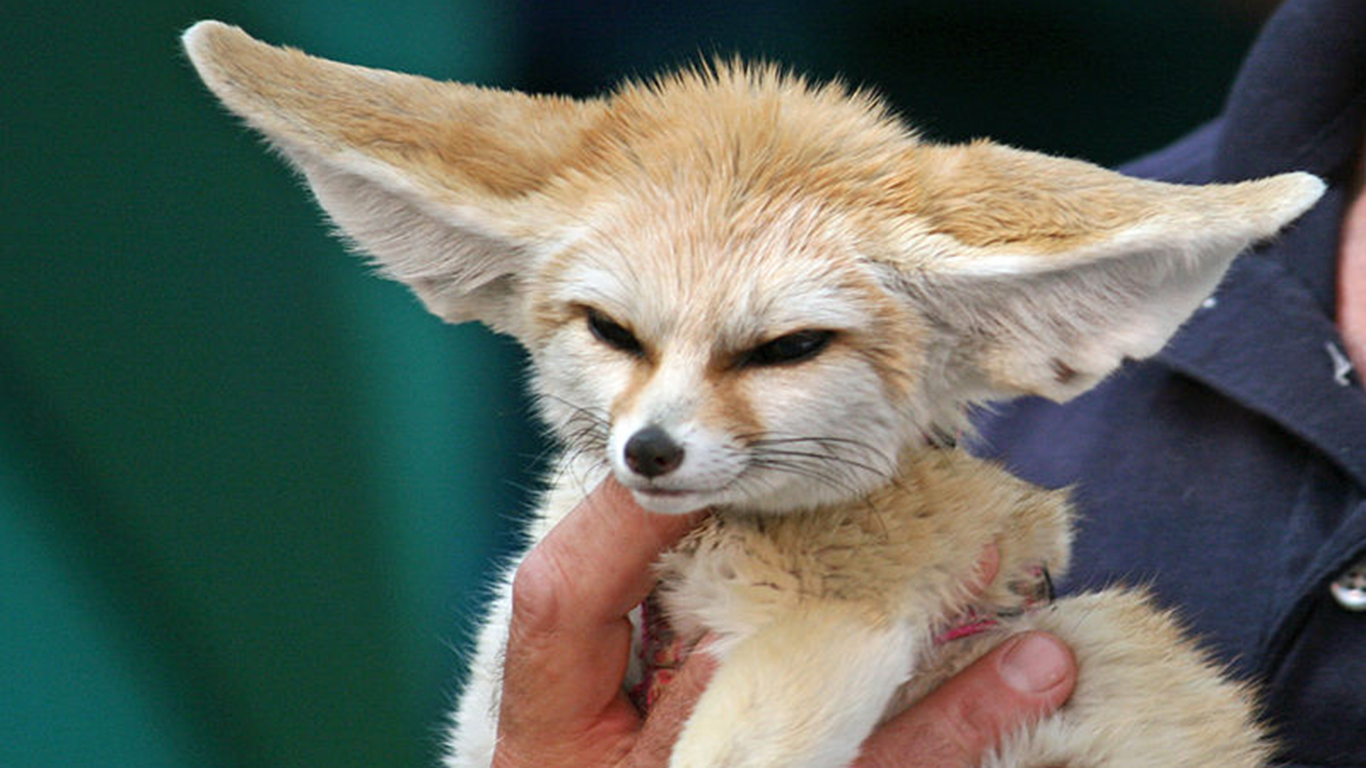
11. Chanterelle Fennec
> Natural habitat: Africa
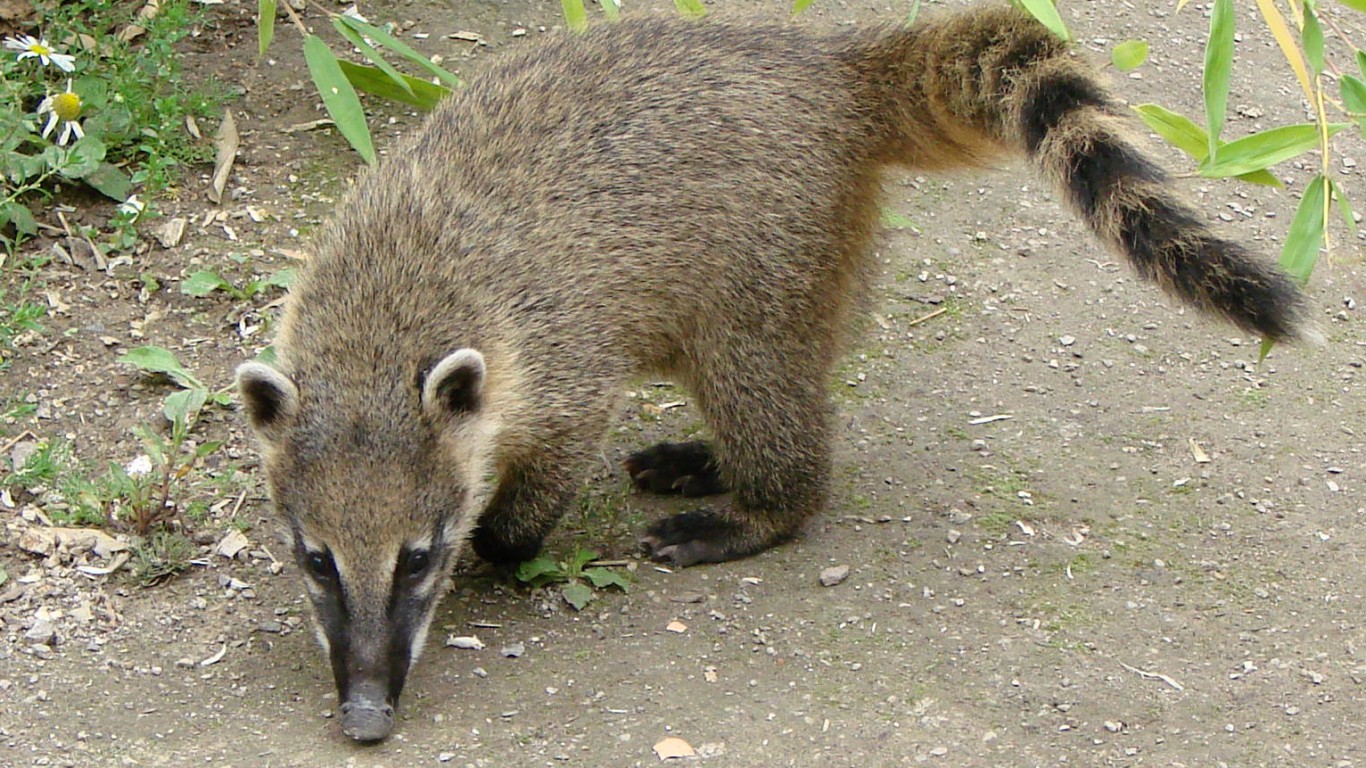
12. Coatimundi
> Natural habitat: South America
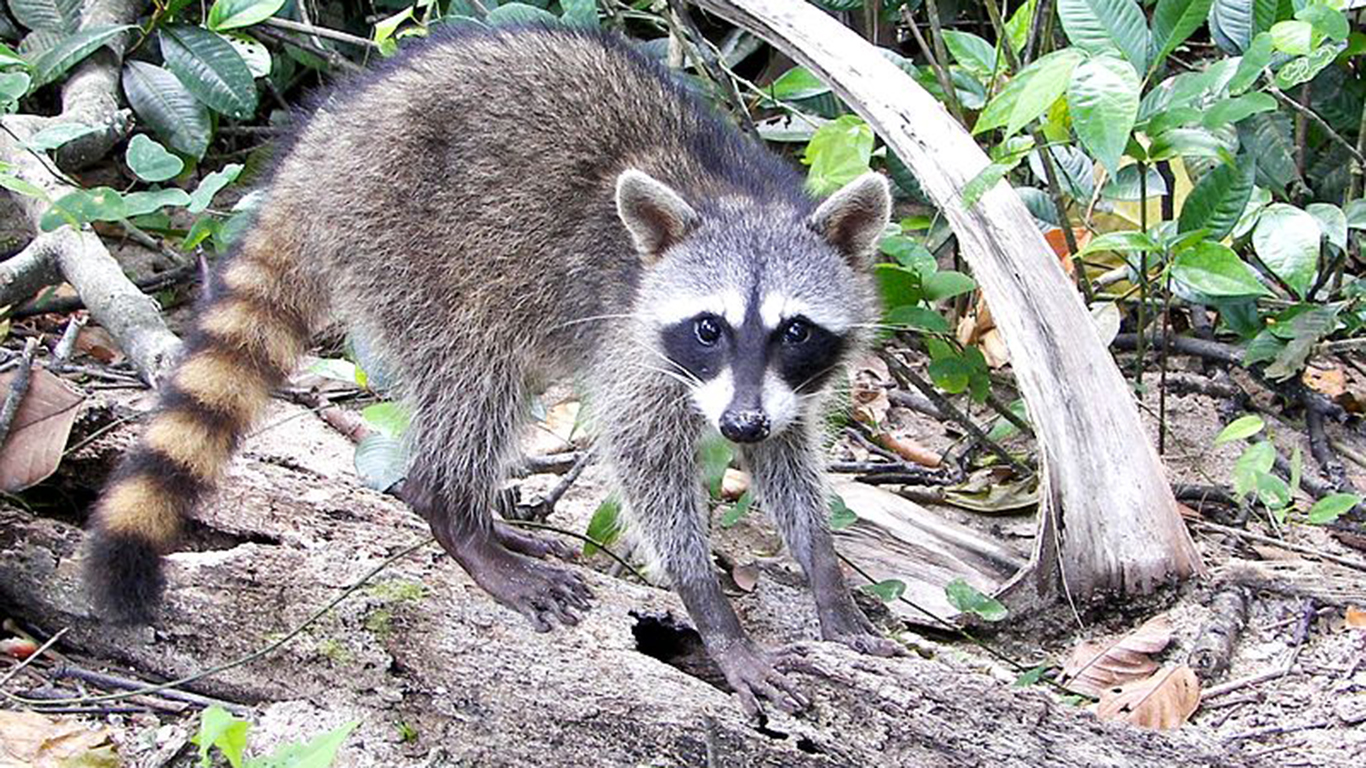
13. Crab-eating raccoon
> Natural habitat: Central/South America
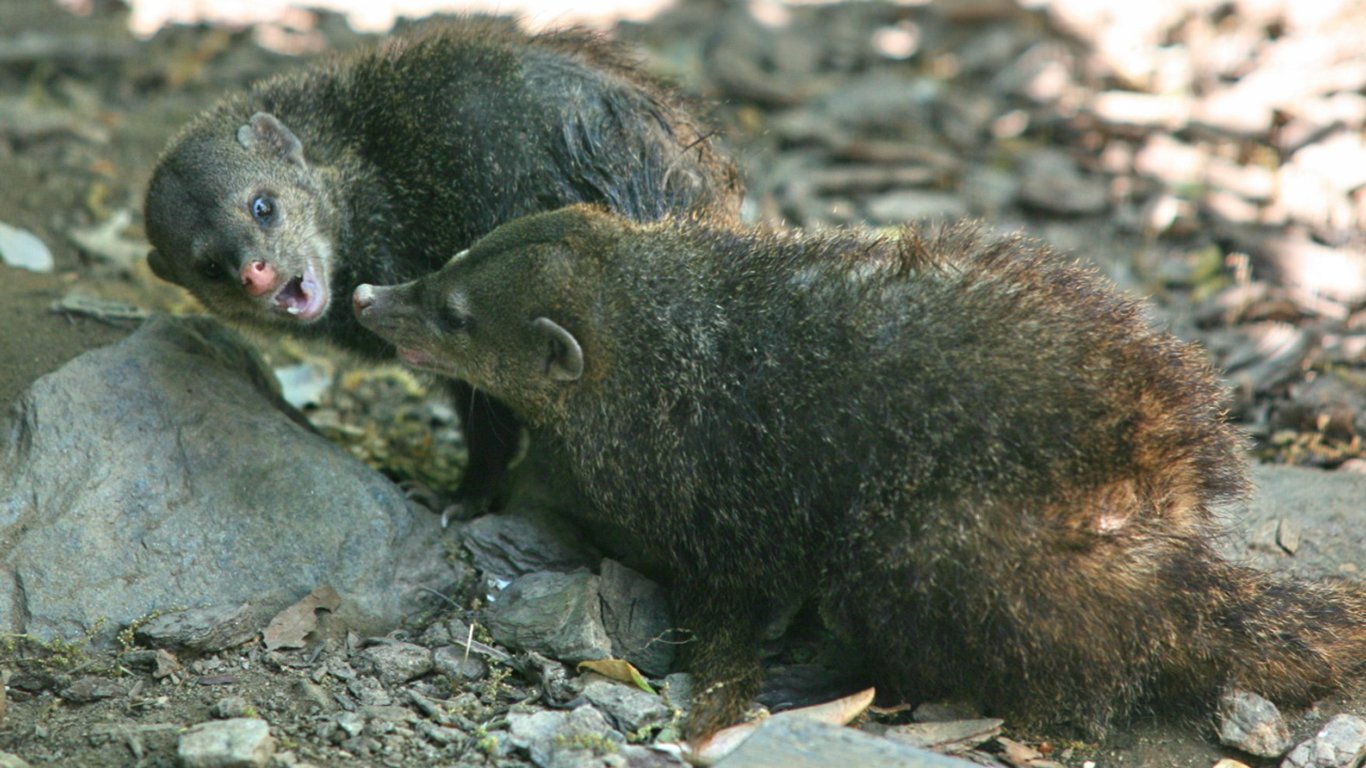
14. Cusimanse
> Natural habitat: Africa
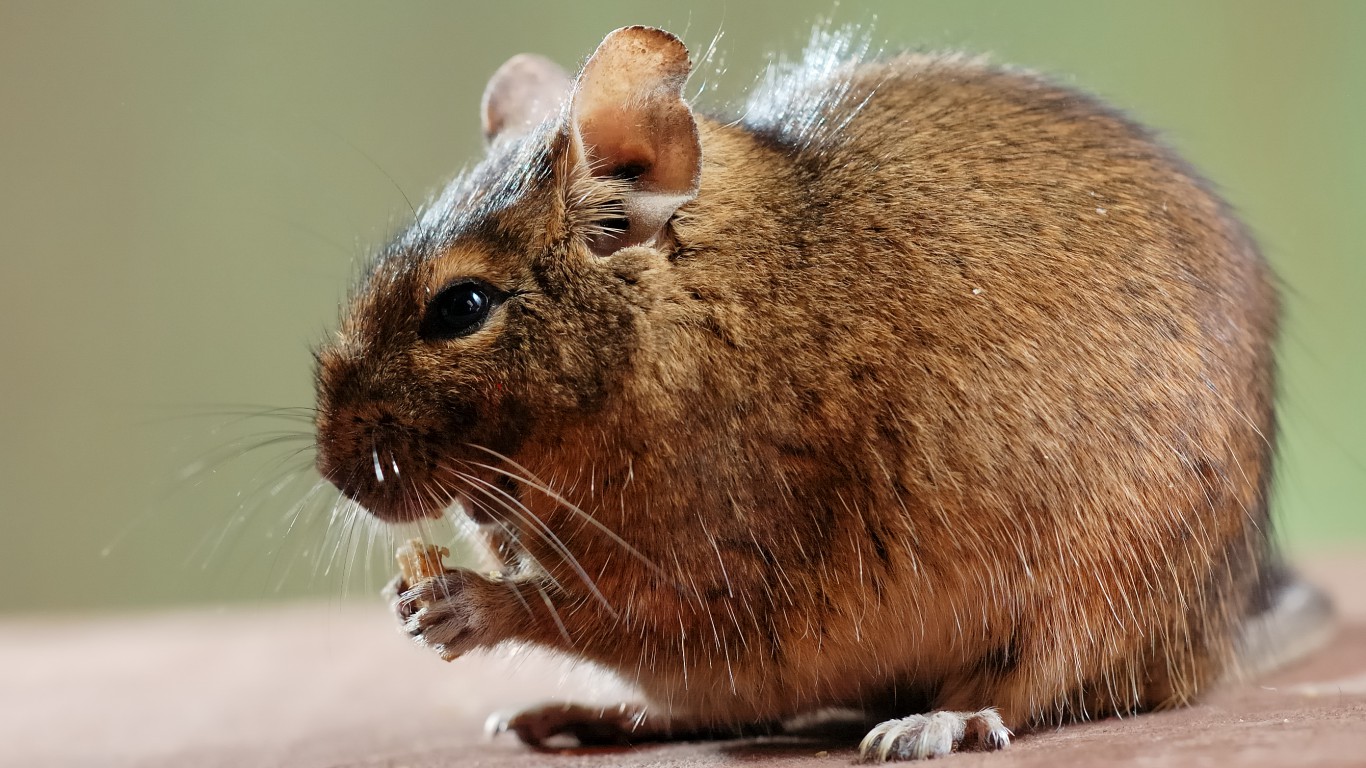
15. Degu
> Natural habitat: Chile
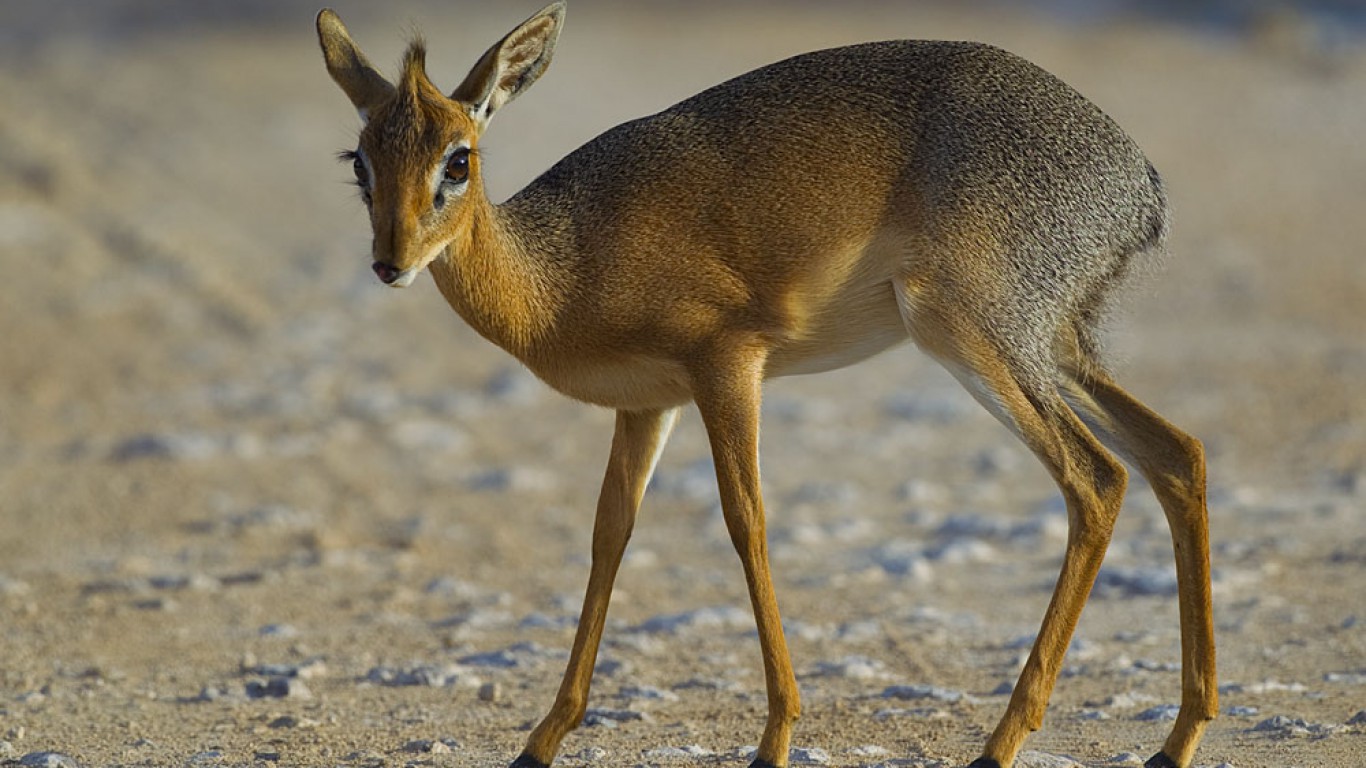
16. Dik-dik
> Natural habitat: Africa
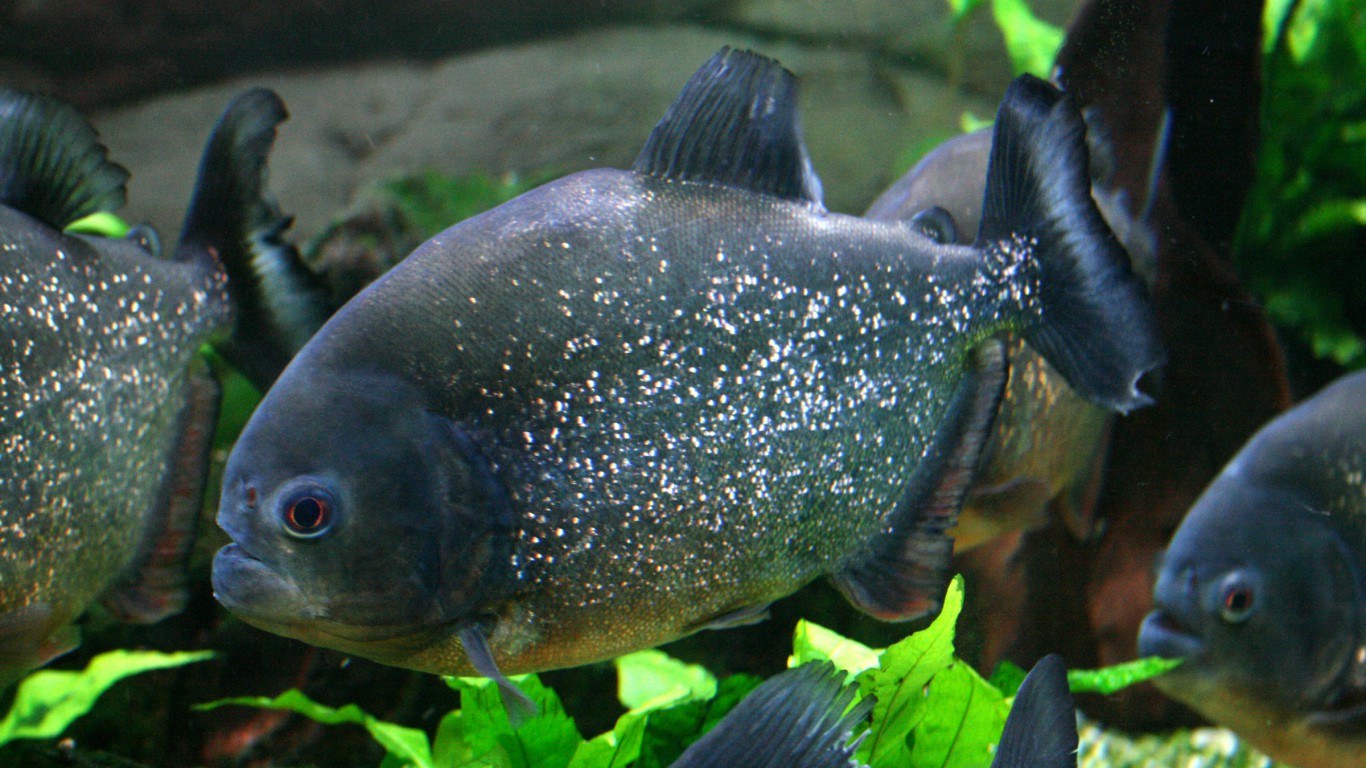
17. Piranha
> Natural habitat: South America
18. Flying Squirrel
> Natural habitat: Mexico, Central America, India, Africa, Southeast Asia
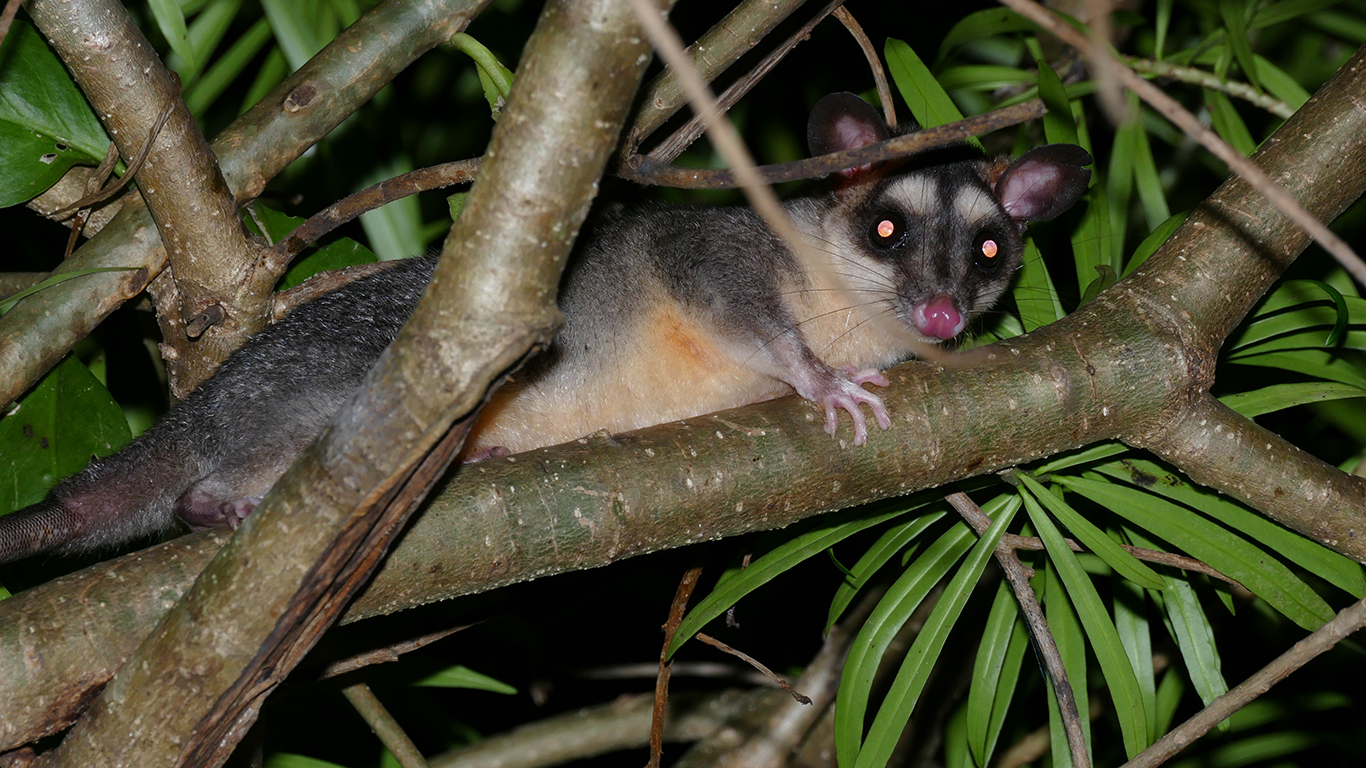
19. Four-eyed opossum
> Natural habitat: Mexico, Central/South America
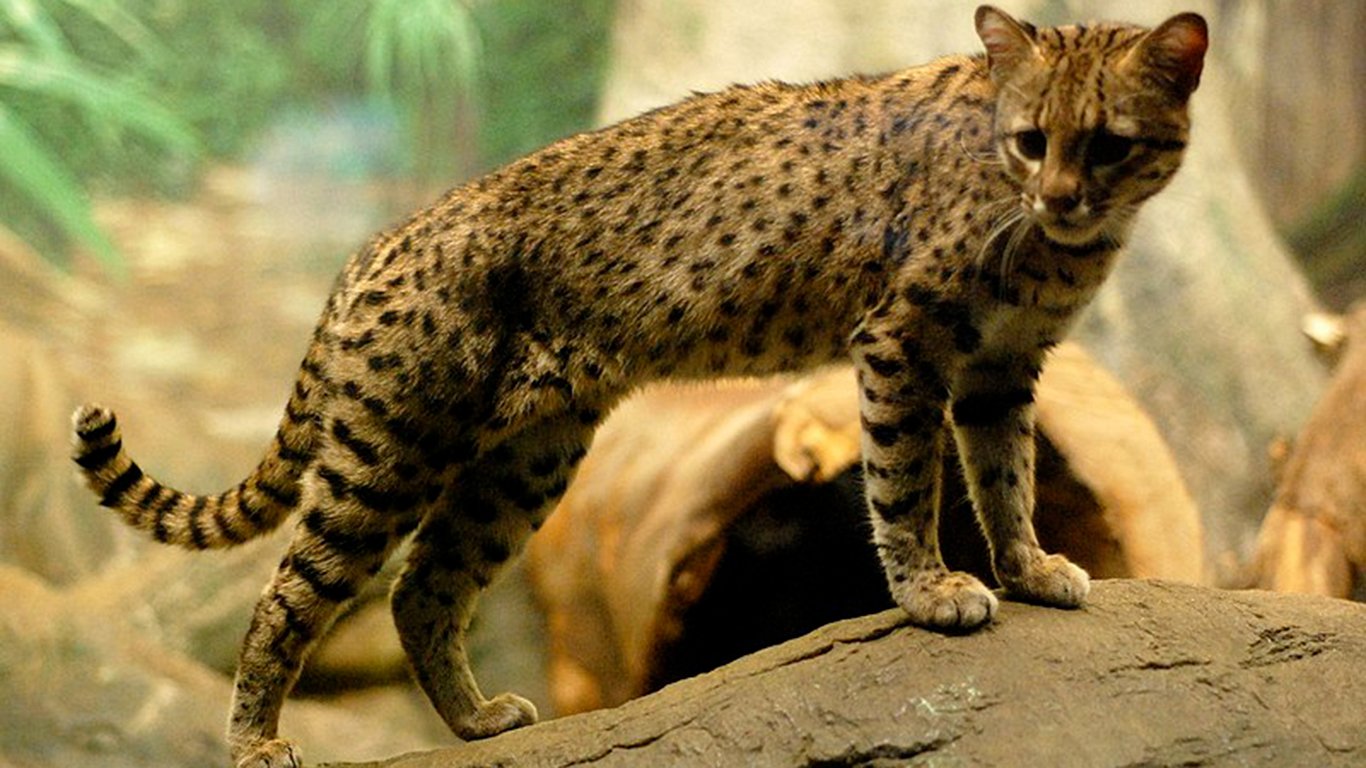
20. Geoffroy’s cat
> Natural habitat: South America
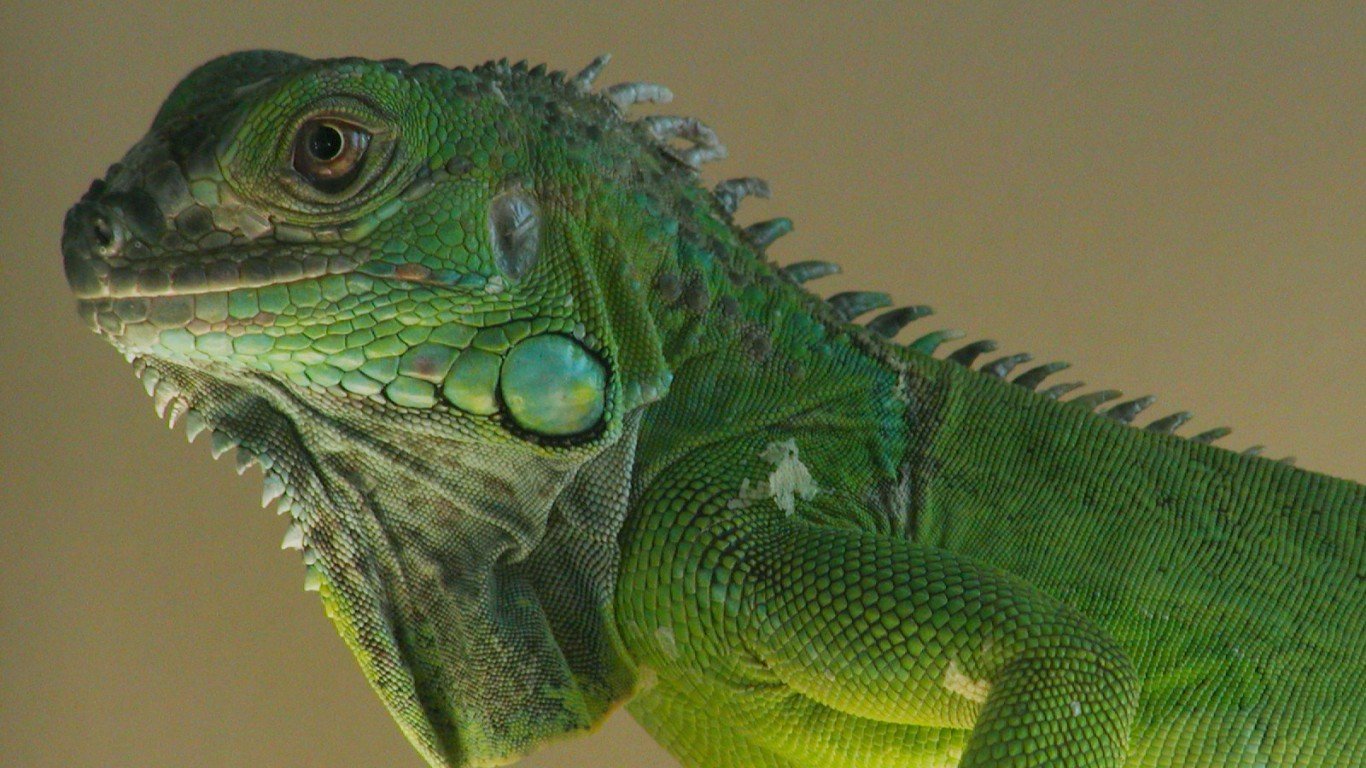
21. Green iguana
> Natural habitat: Mexico, Central America, Caribbean Islands, southern Brazil
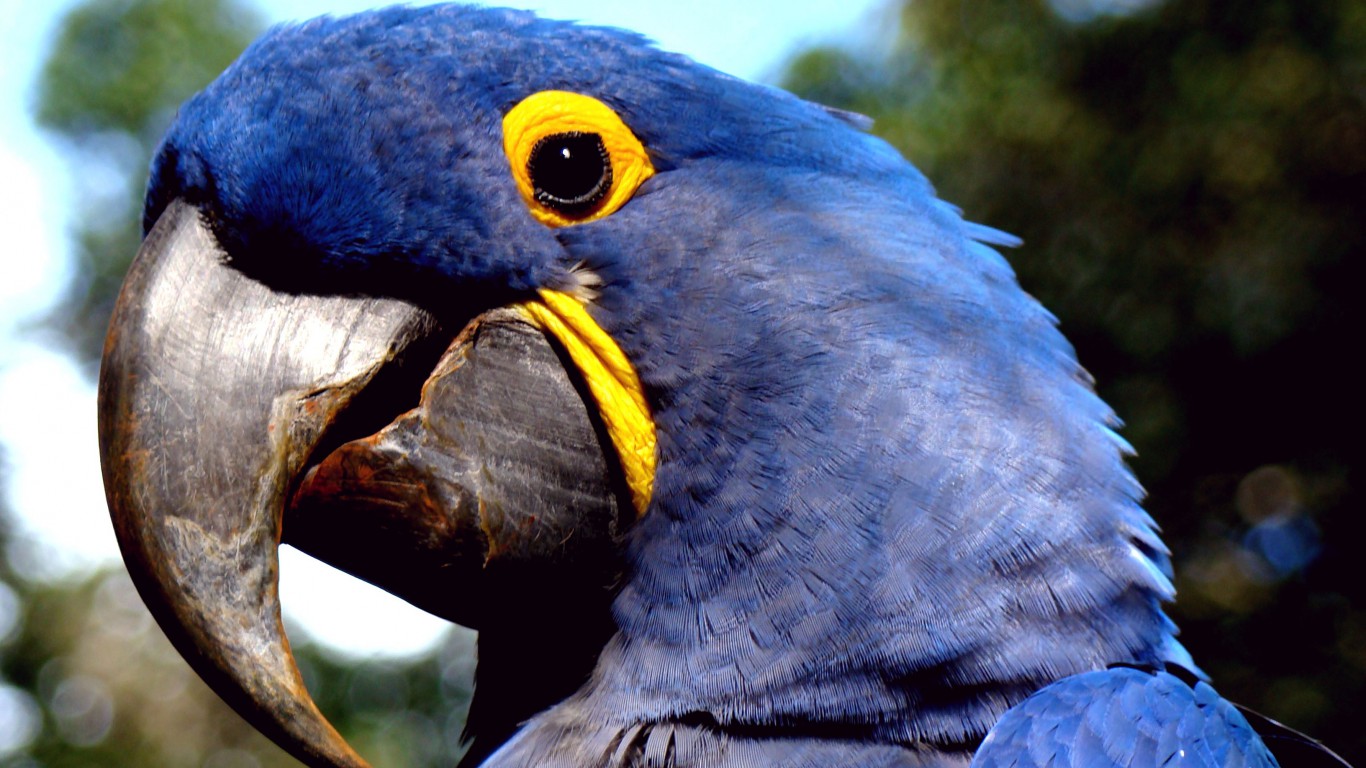
22. Hyacinth Macaw
> Natural habitat: South America
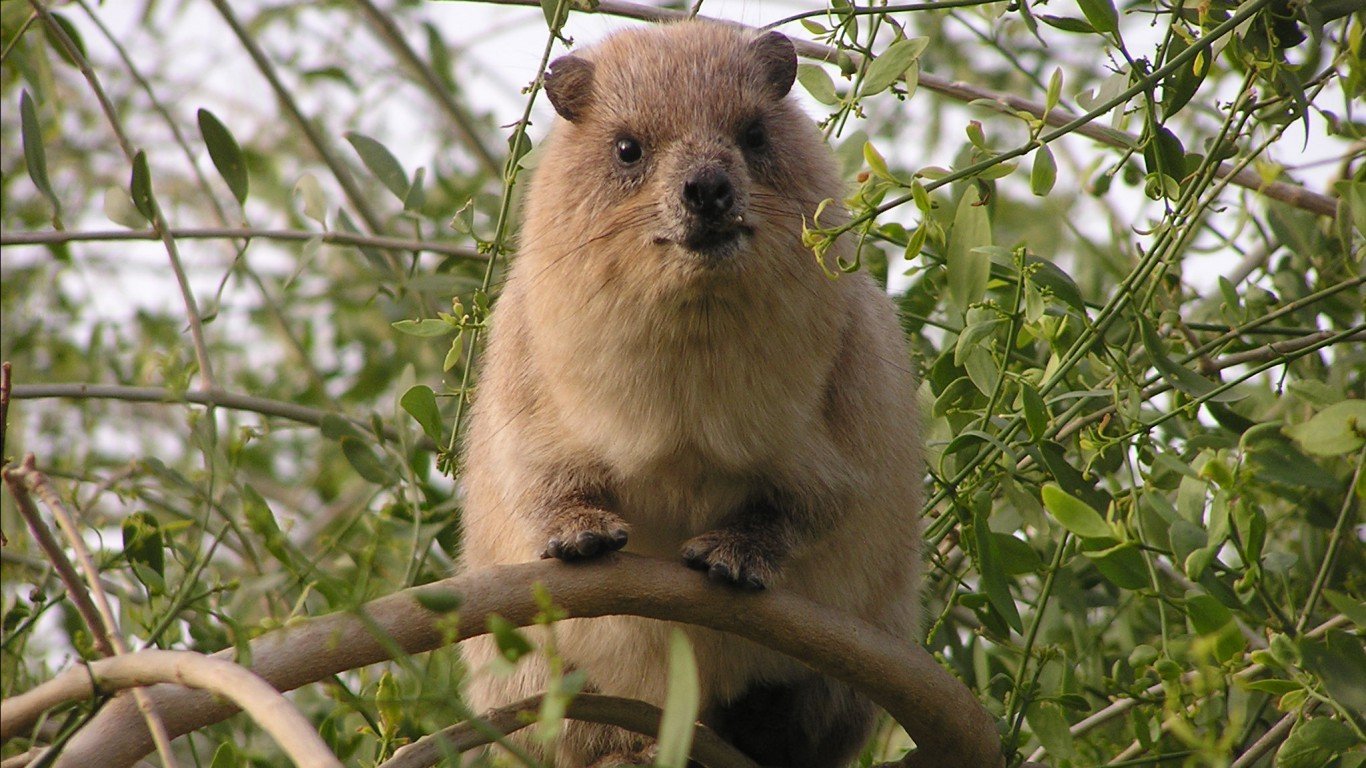
23. Hyrax
> Natural habitat: Africa
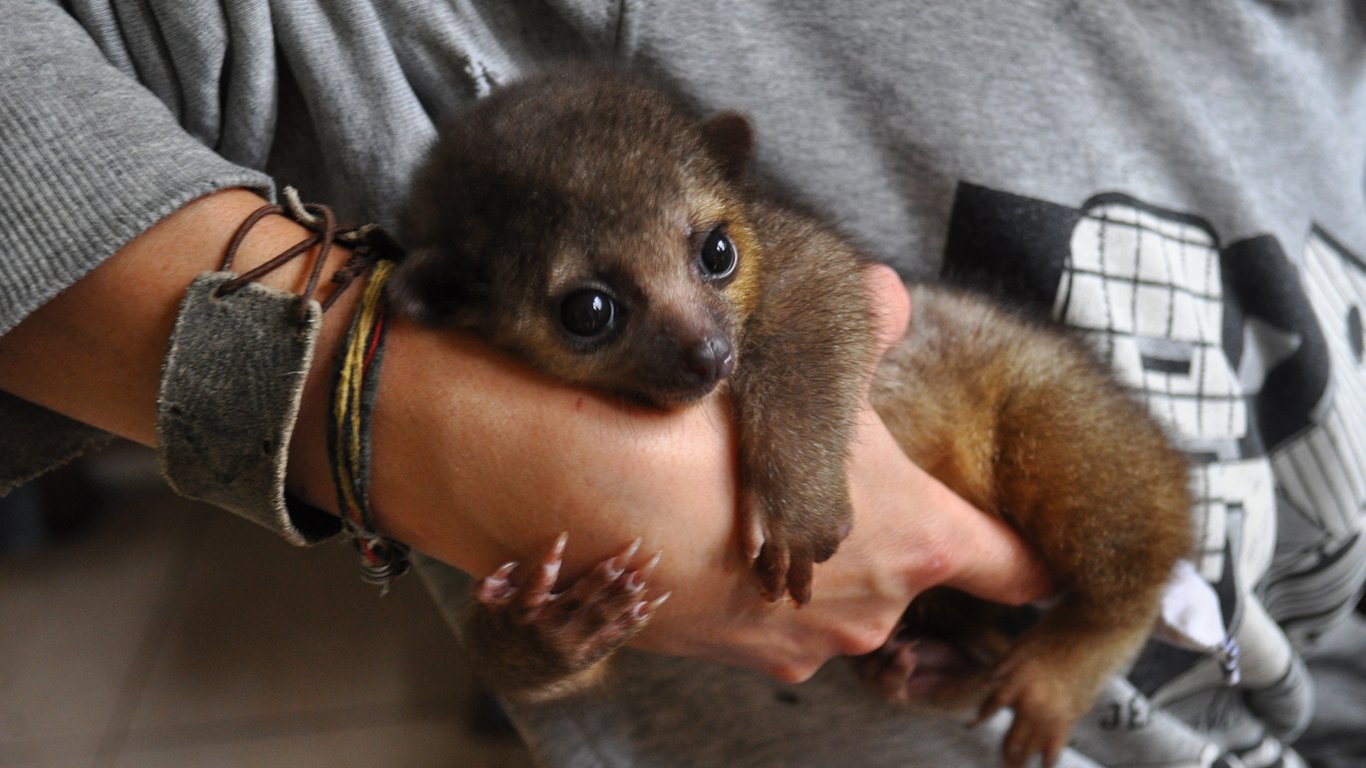
24. Kinkajou (Flower Bear)
> Natural habitat: Central and South America
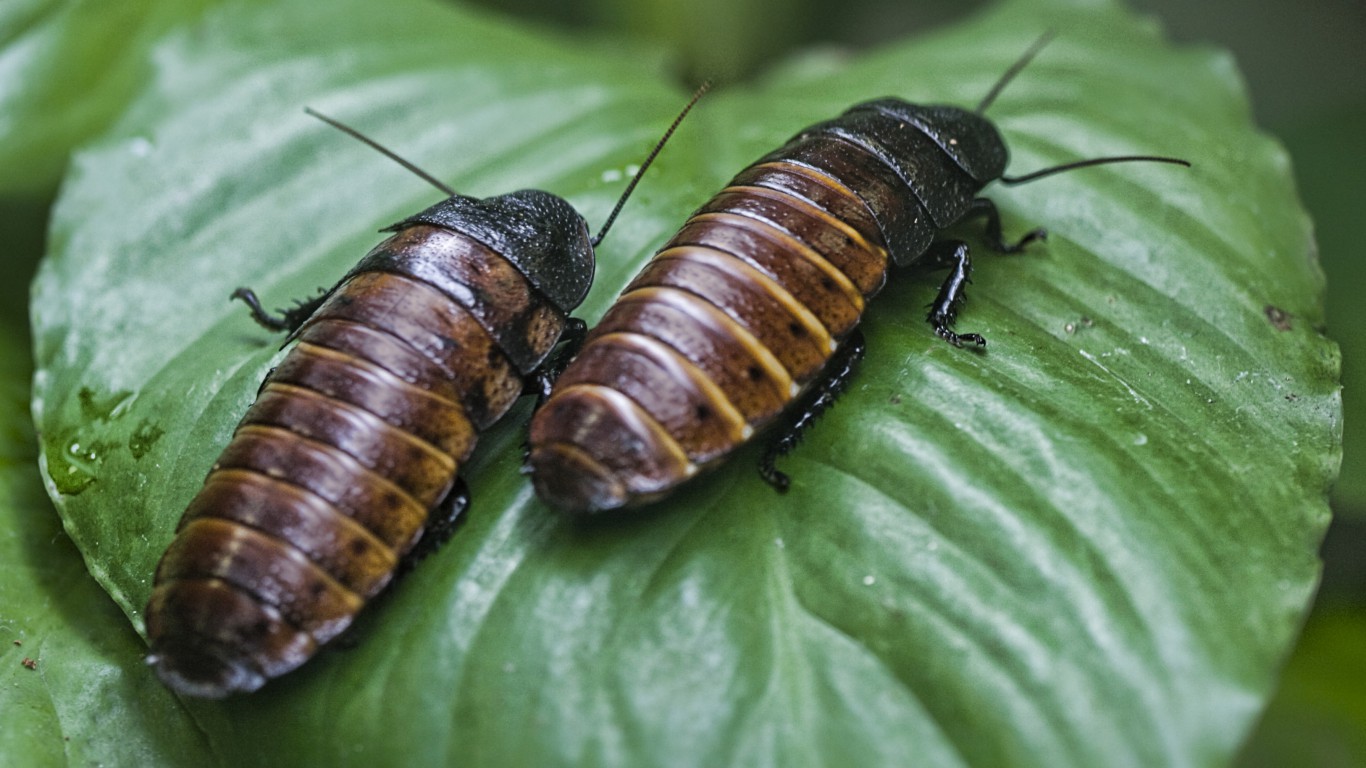
25. Madagascar Hissing Cockroach
> Natural habitat: Madagascar
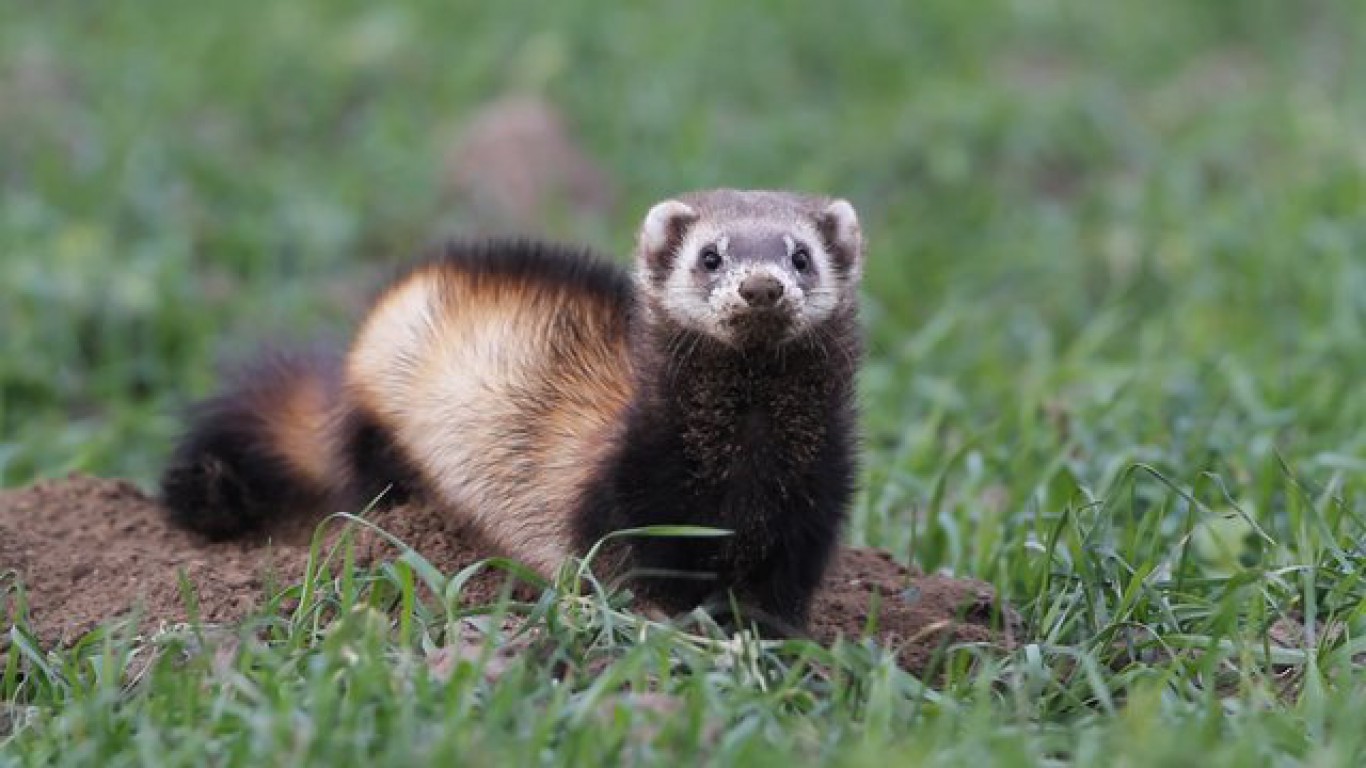
26. Marbled polecat
> Natural habitat: Southeast Europe, the Middle East, and Asia
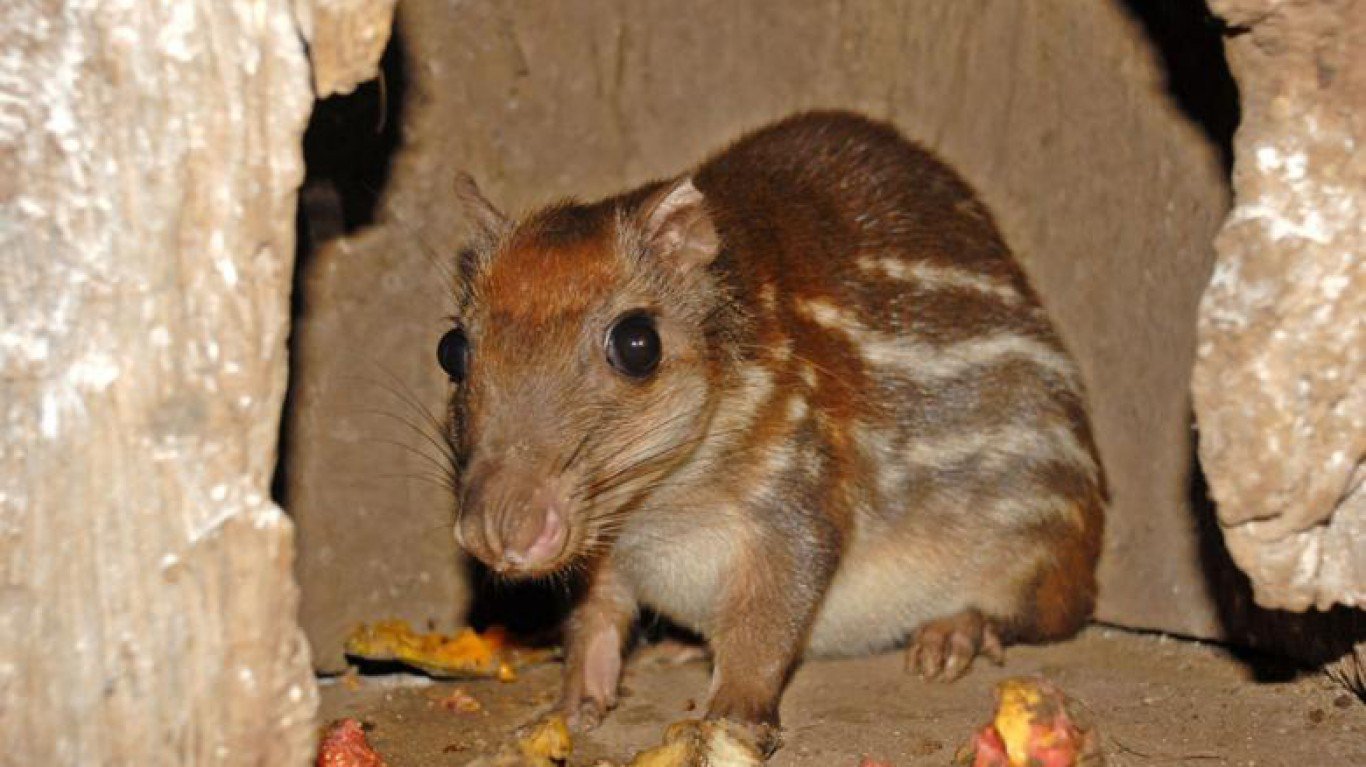
27. Paca
> Natural habitat: Mexico, Paraguay,Argentina, and Uruguay
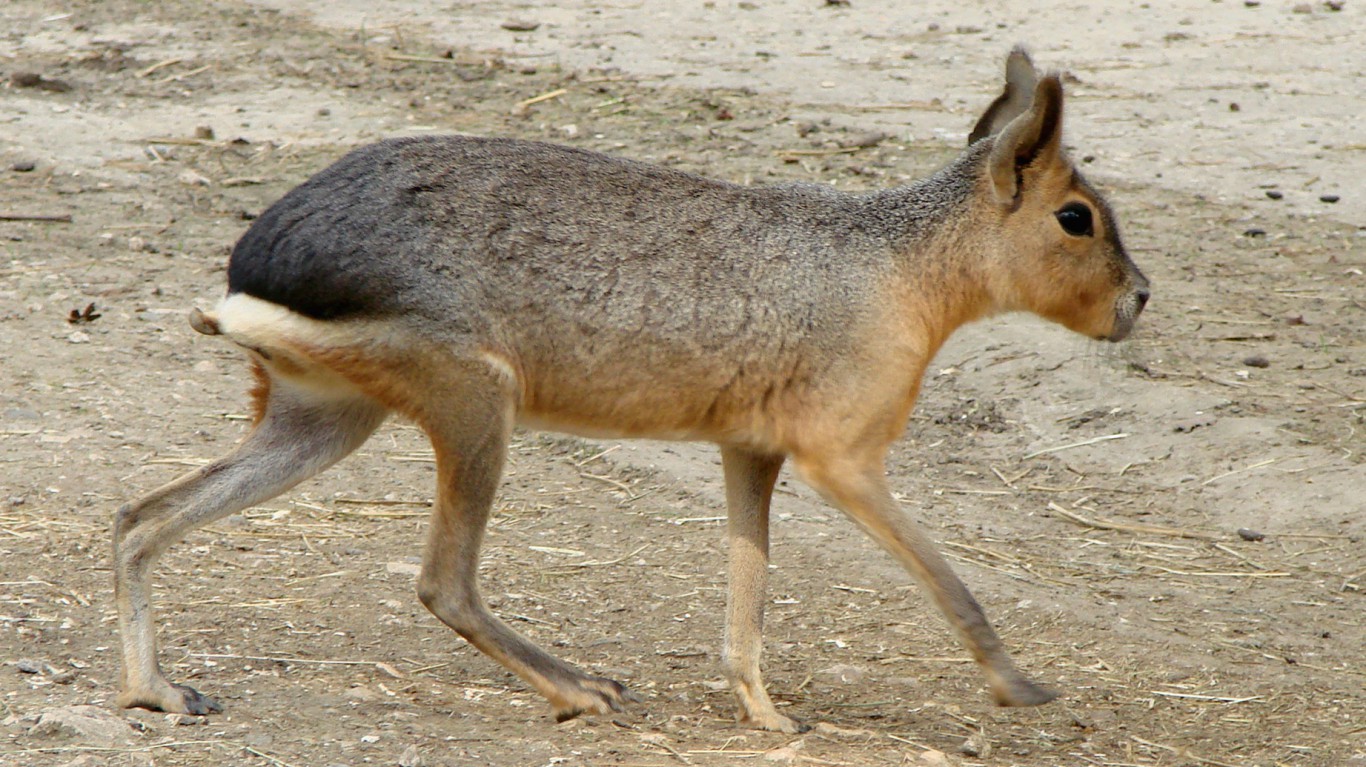
28. Patagonian Mara
> Natural habitat: Argentina
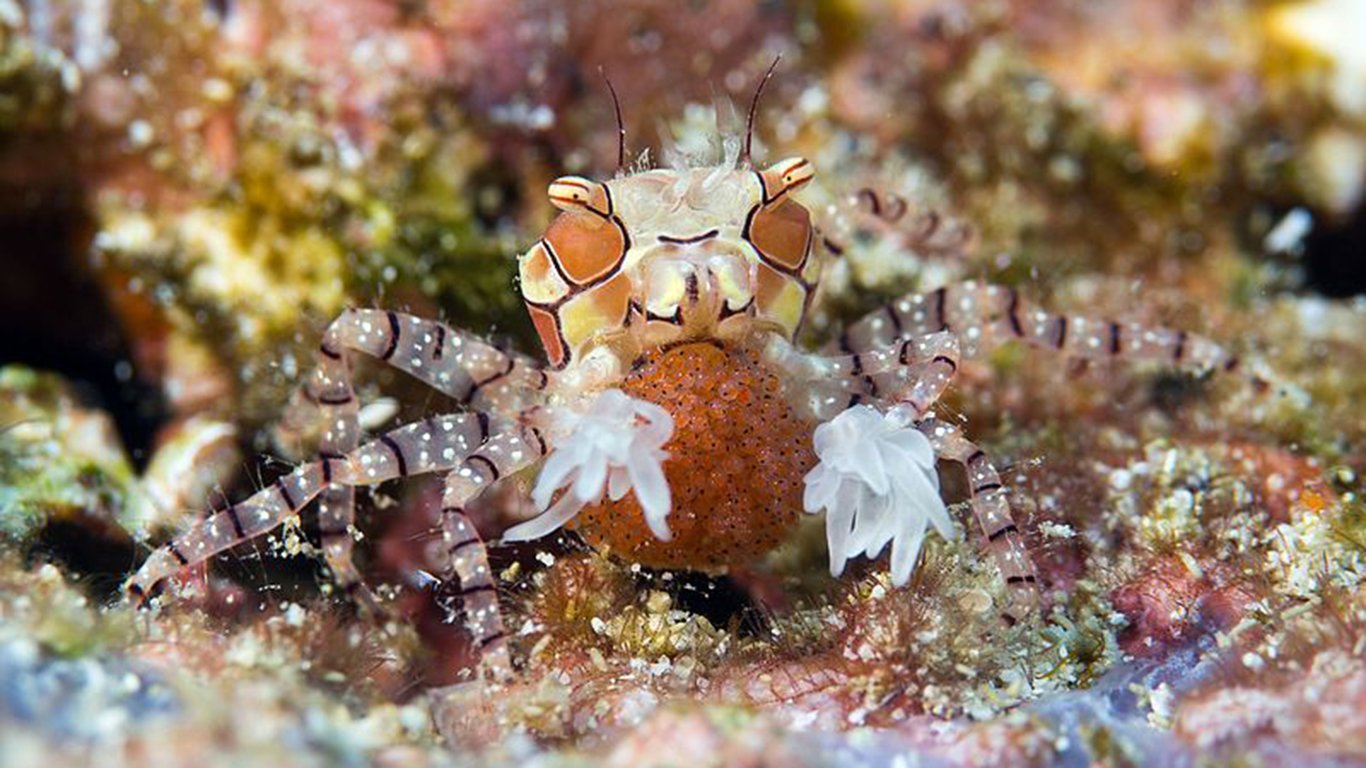
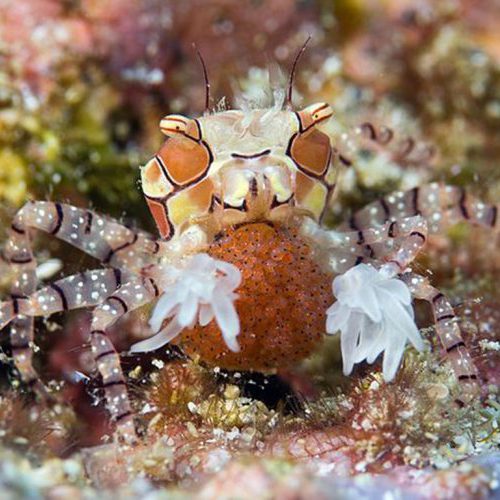
29. Pom pom anemone crab
> Natural habitat: Hawaii and Indonesia
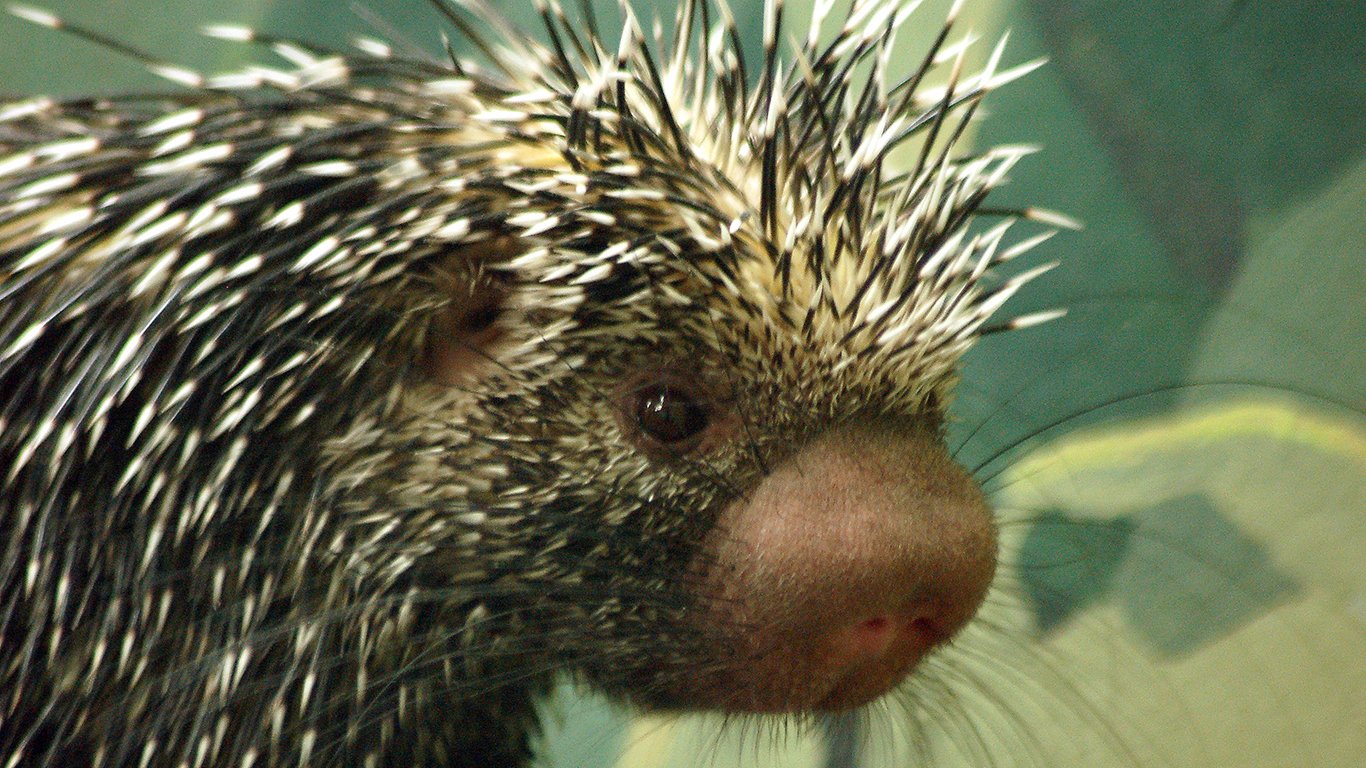
30. Prehensile-tailed Porcupine
> Natural habitat: Venezuela, Guiana, Brazil, Bolivia, Paraguay, Trinidad, and Argentina
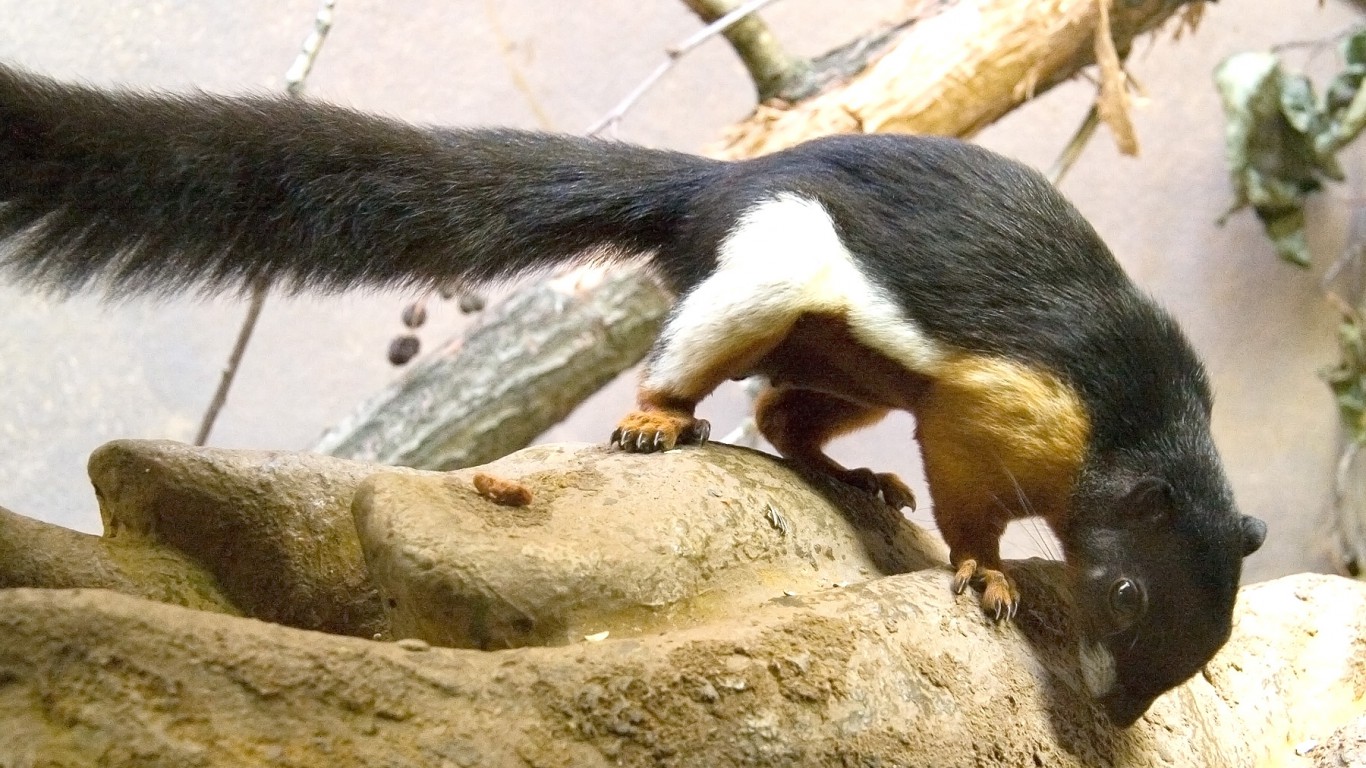
31. Prevost squirrel
> Natural habitat: Thai-Malay Peninsula, Sumatra, and Borneo
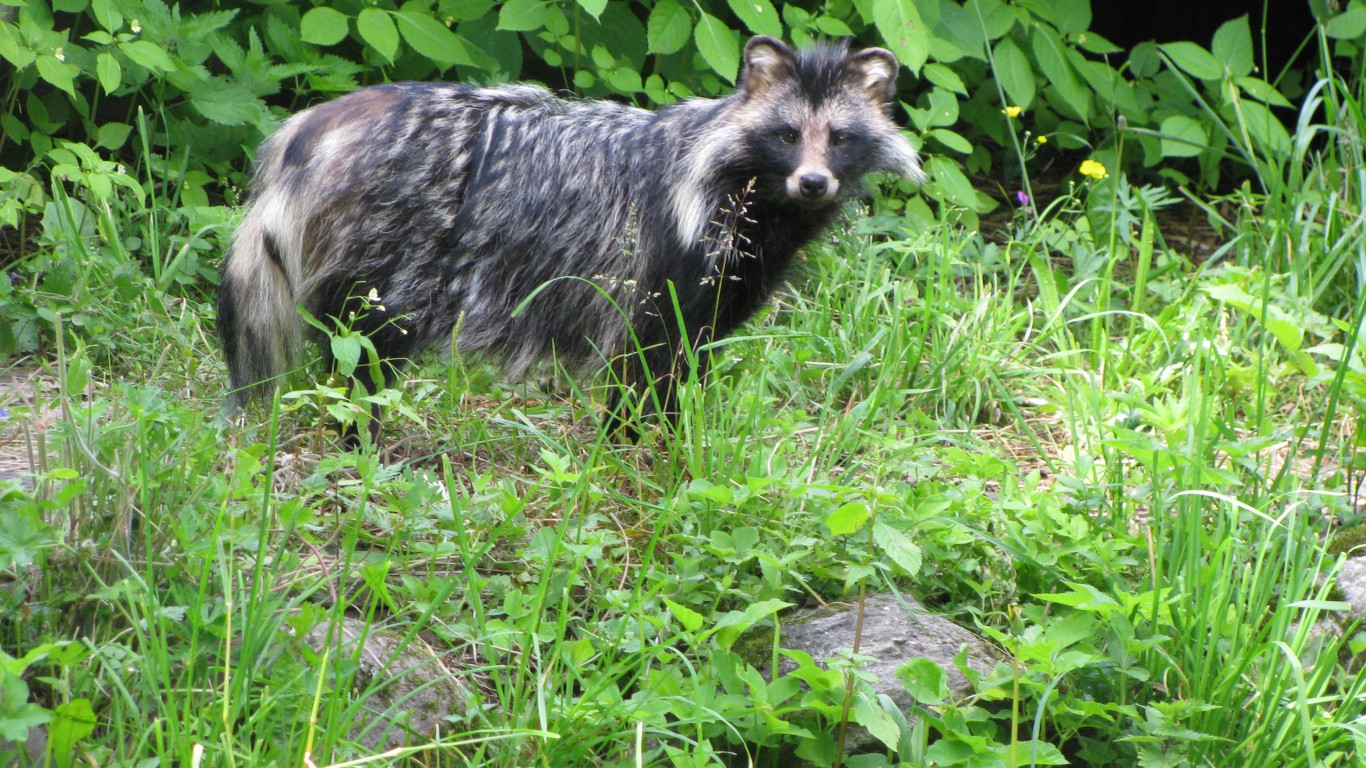
32. Raccoon dog
> Natural habitat: Eastern Asia and Europe
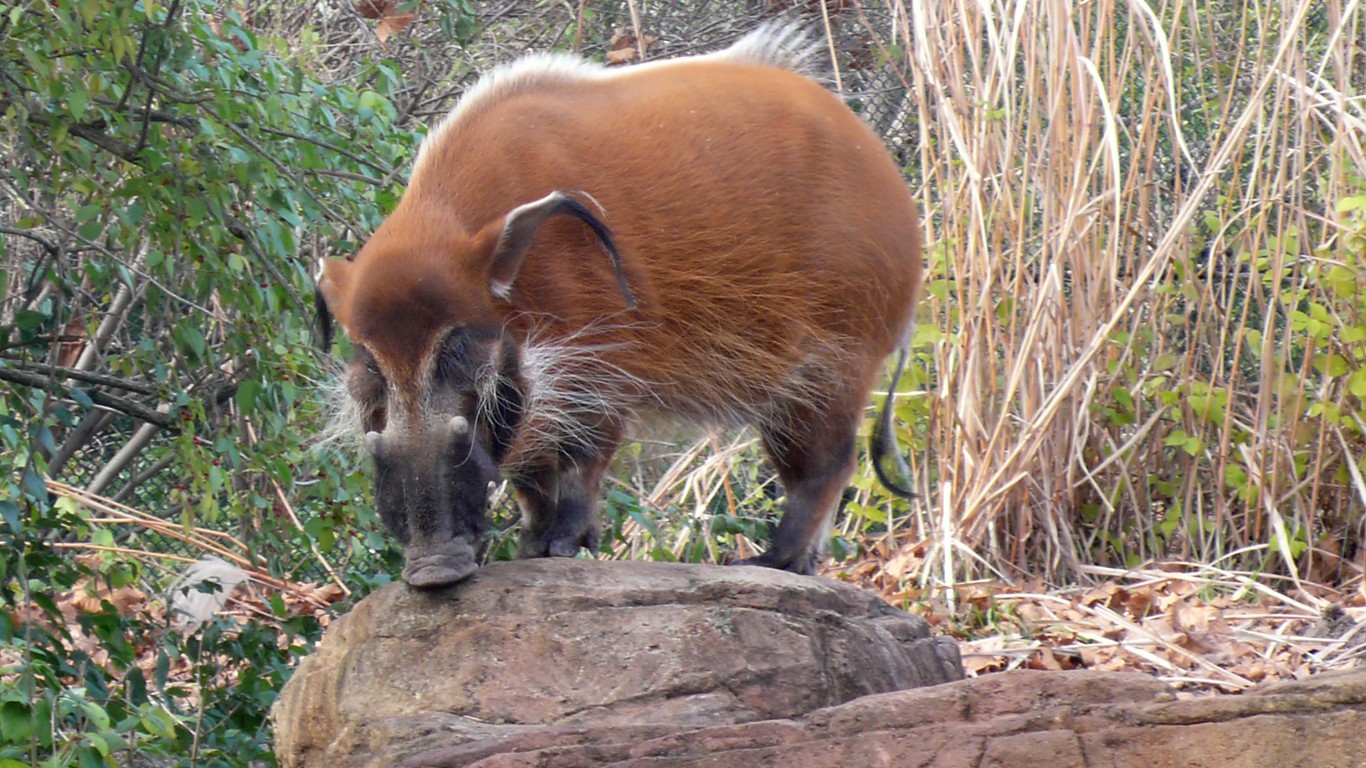
33. Red river hog
> Natural habitat: Senegal, Guinea-Congo forest, and Congo
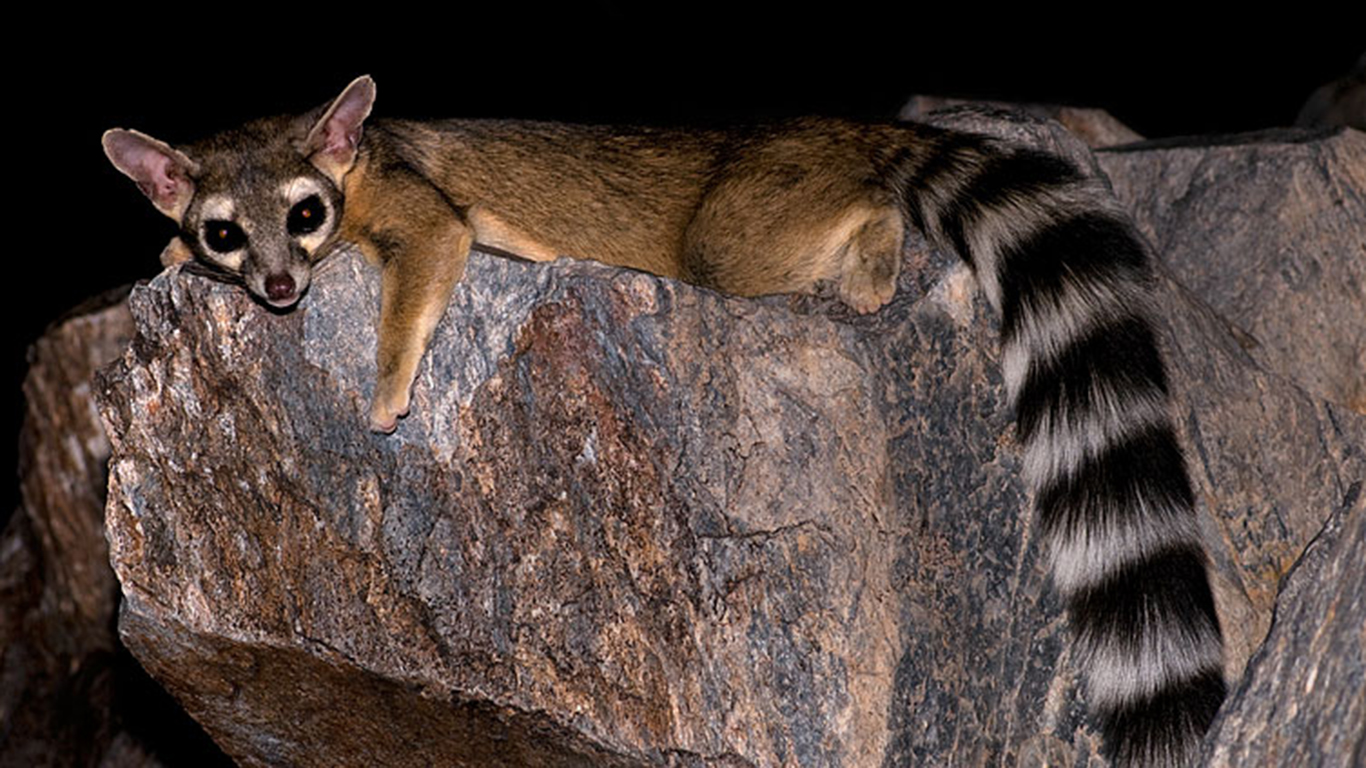
34. Ring-tailed cat
> Natural habitat: North America
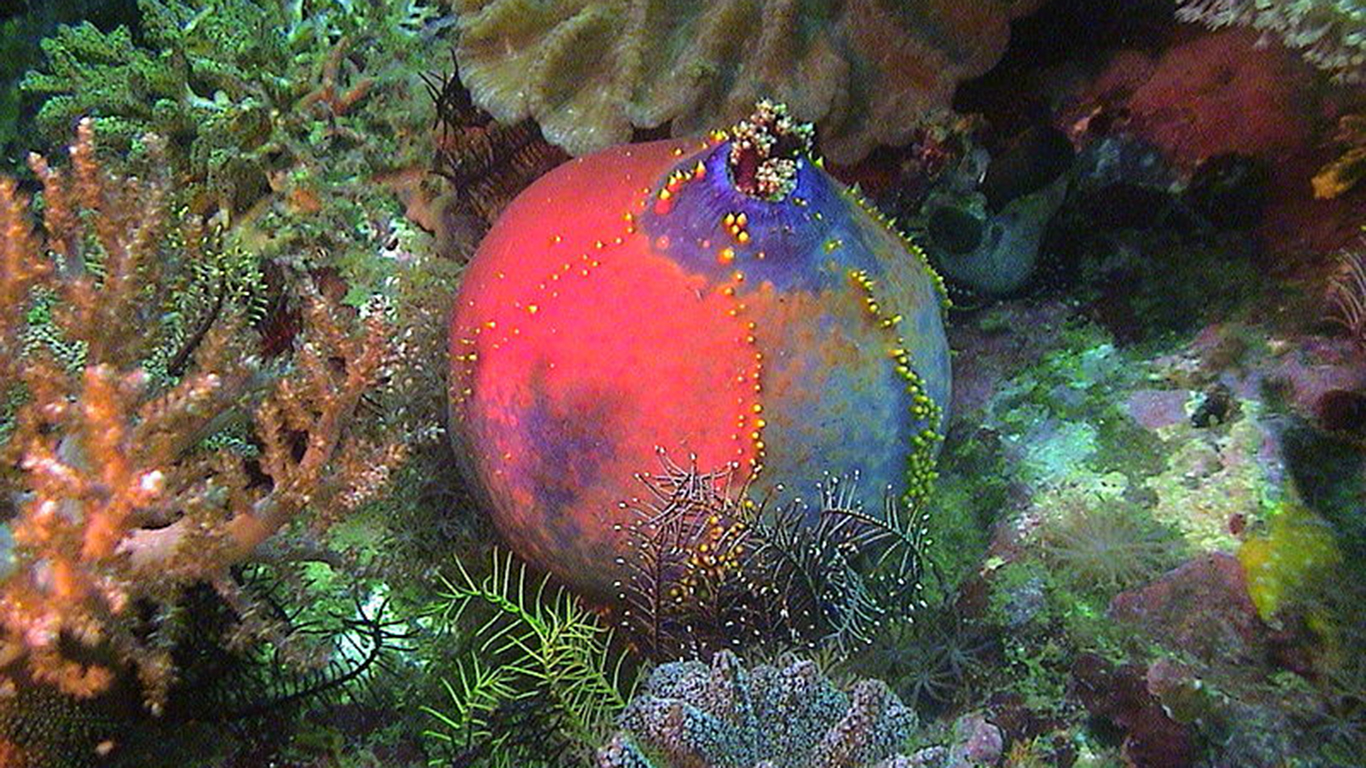
35. Sea apple
> Natural habitat: Indian Ocean and the western part of the Pacific Ocean on coral reefs
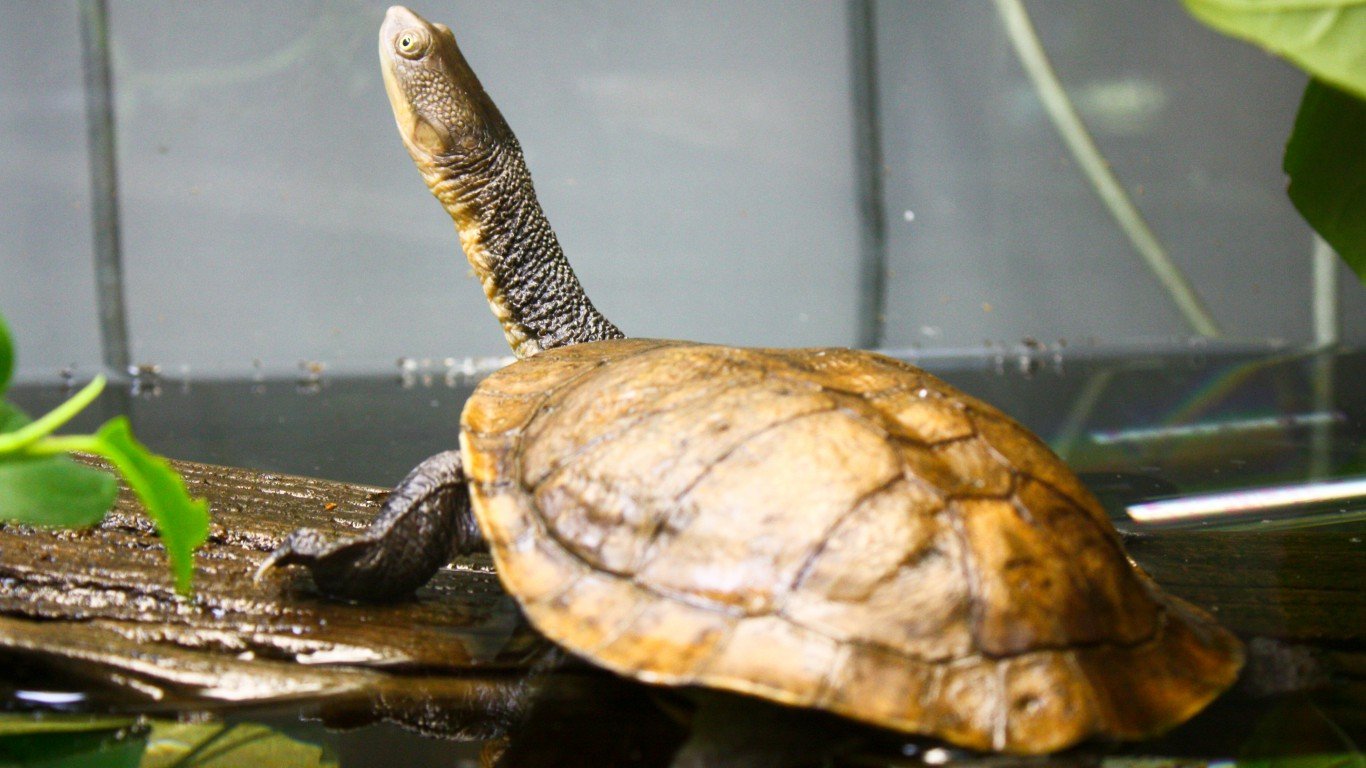
36. Snake-necked turtle
> Natural habitat: Southeastern Australia
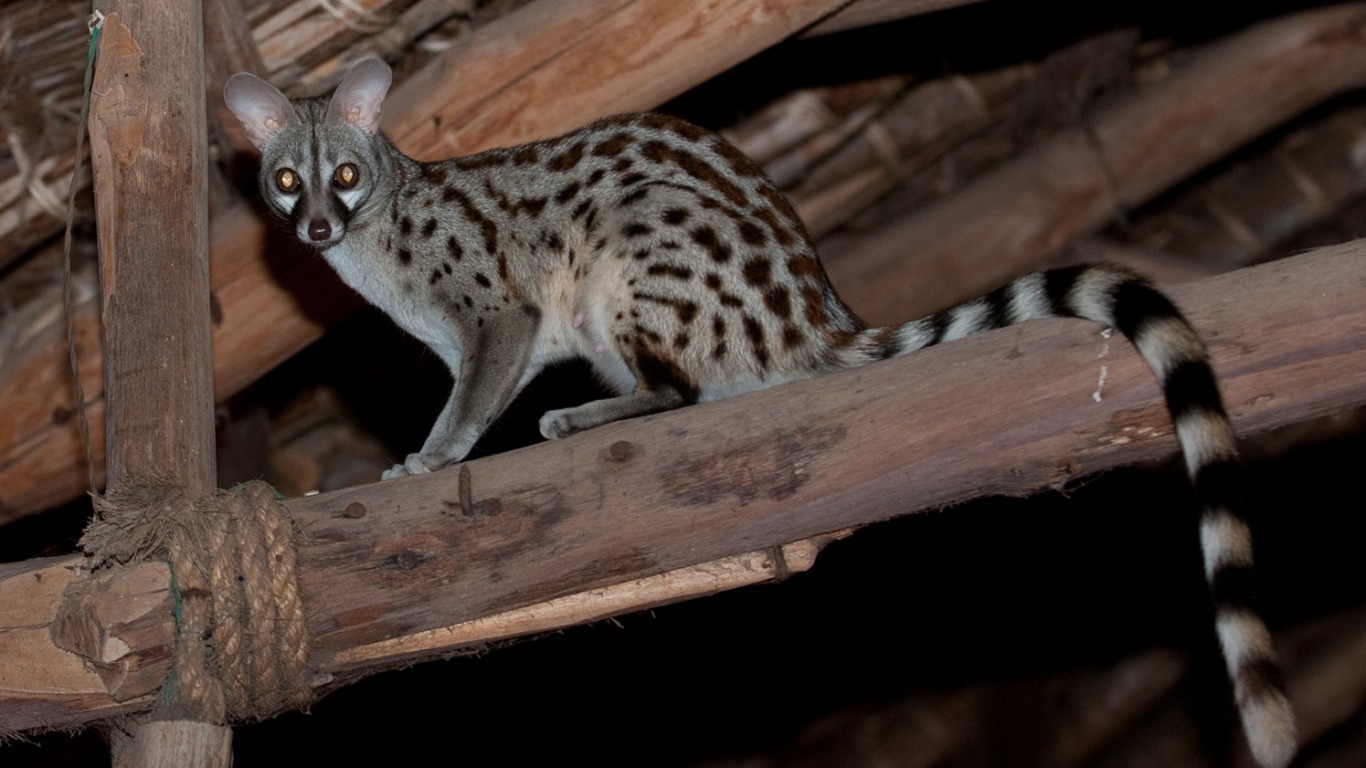
37. Spotted genet
> Natural habitat: Southern Africa
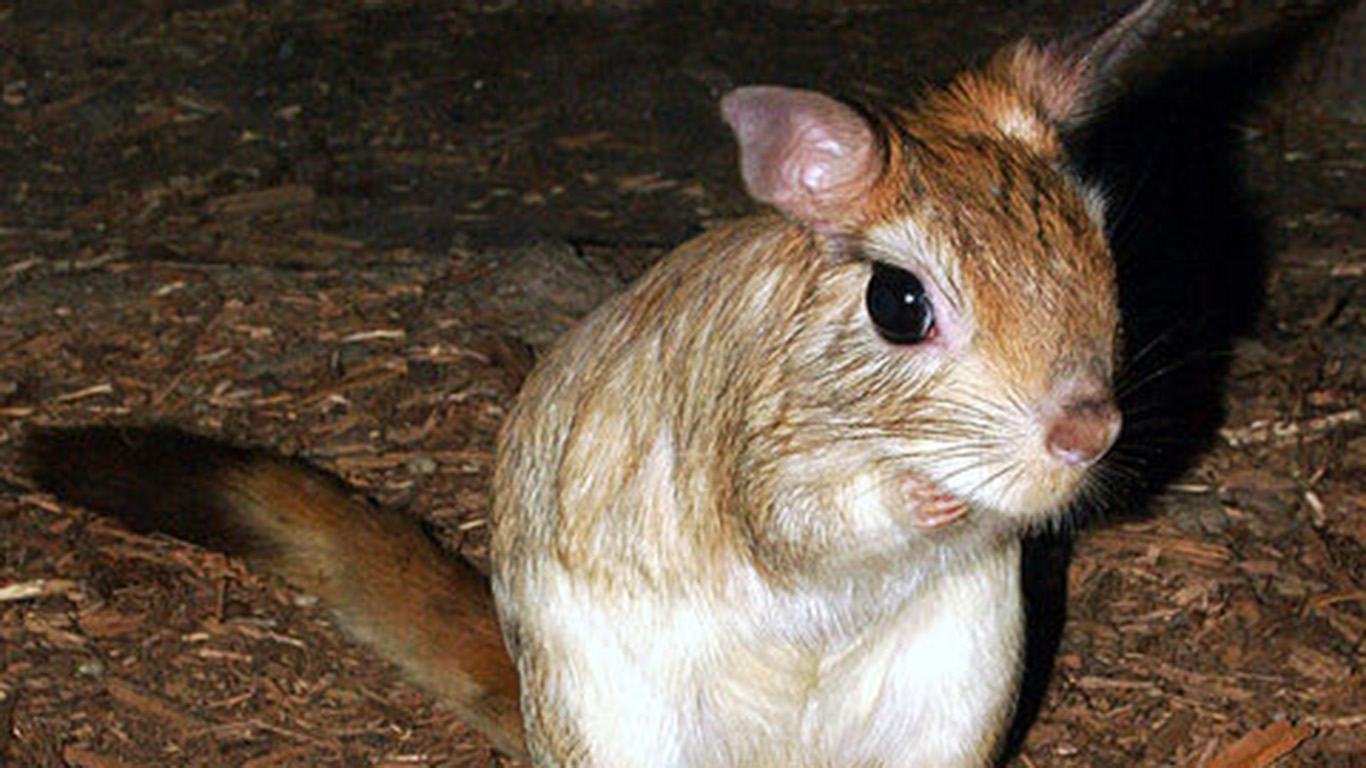
38. Springhaas
> Natural habitat: African savannahs
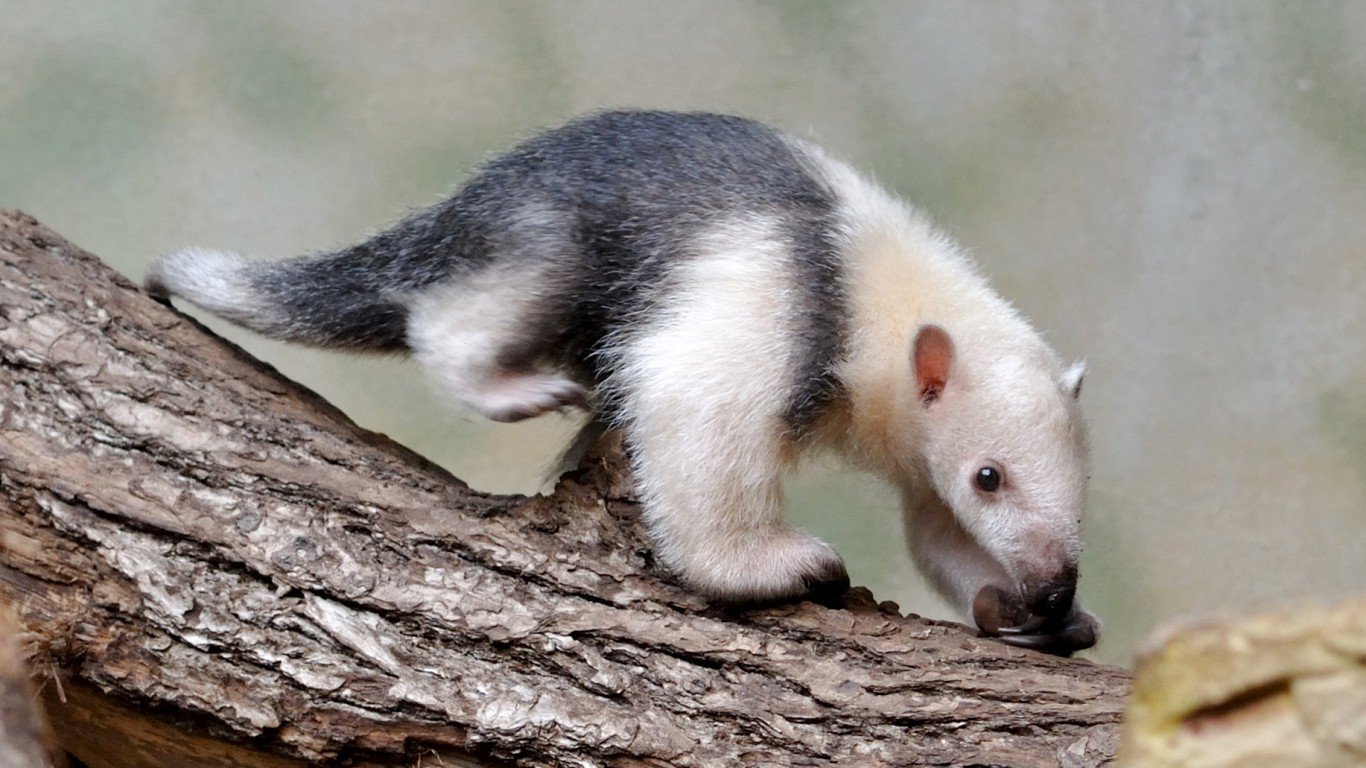
39. Tamandua
> Natural habitat: Central/South America
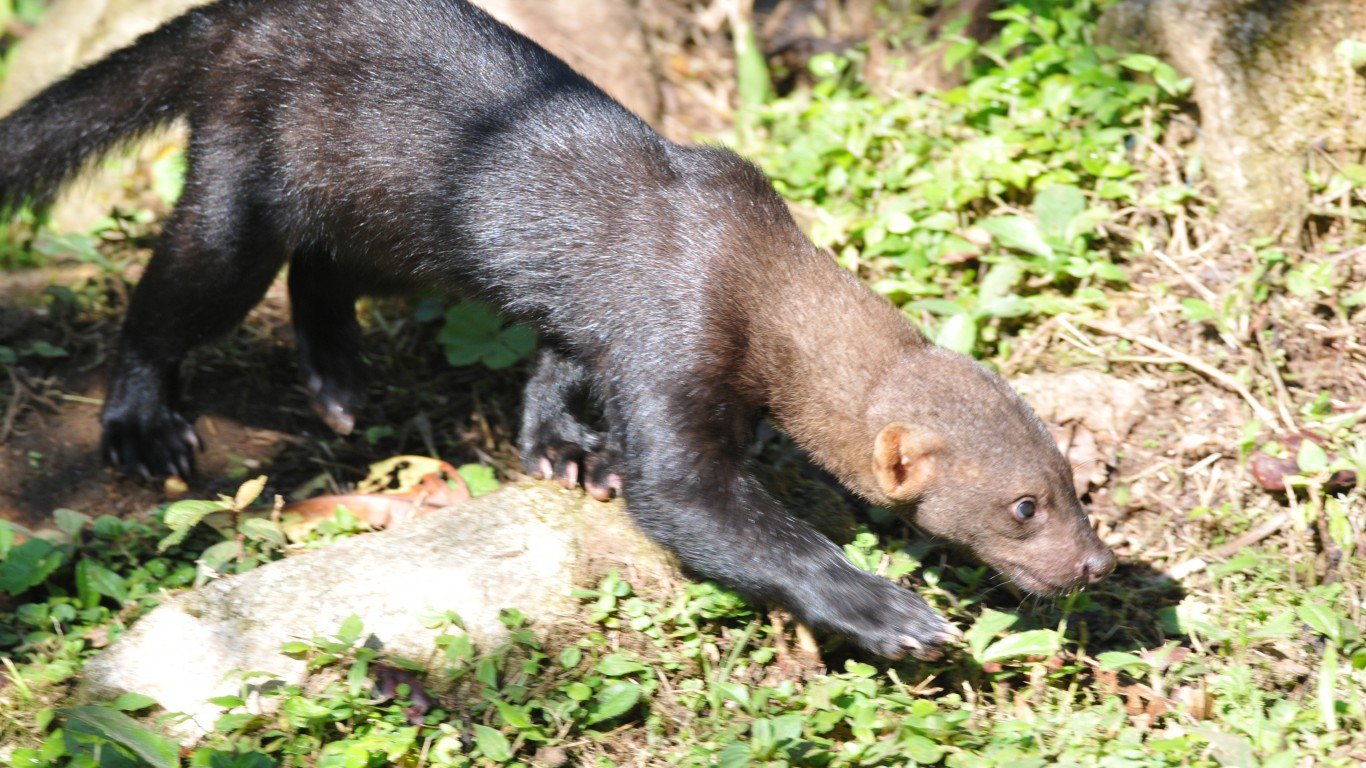
40. Tayra
> Natural habitat: Central/South America
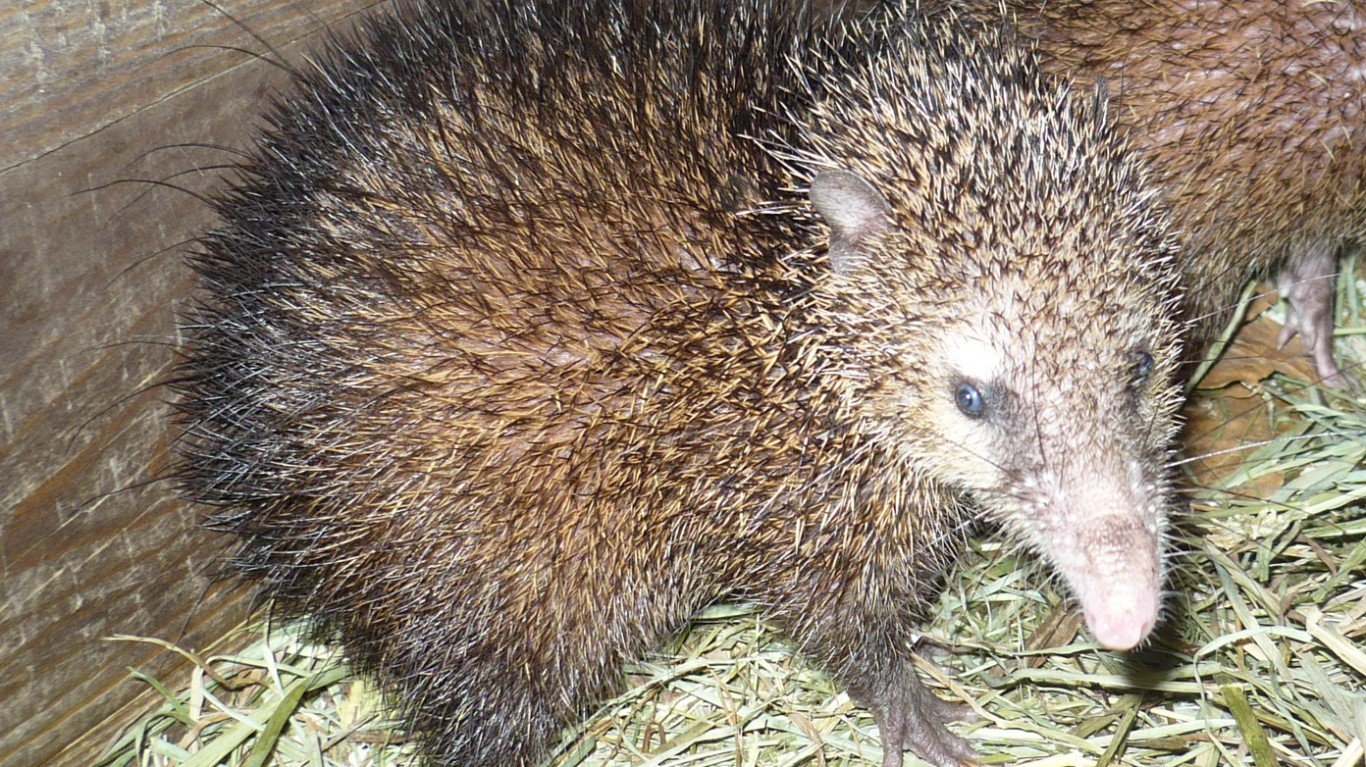
41. Tenrec
> Natural habitat: Madagascar
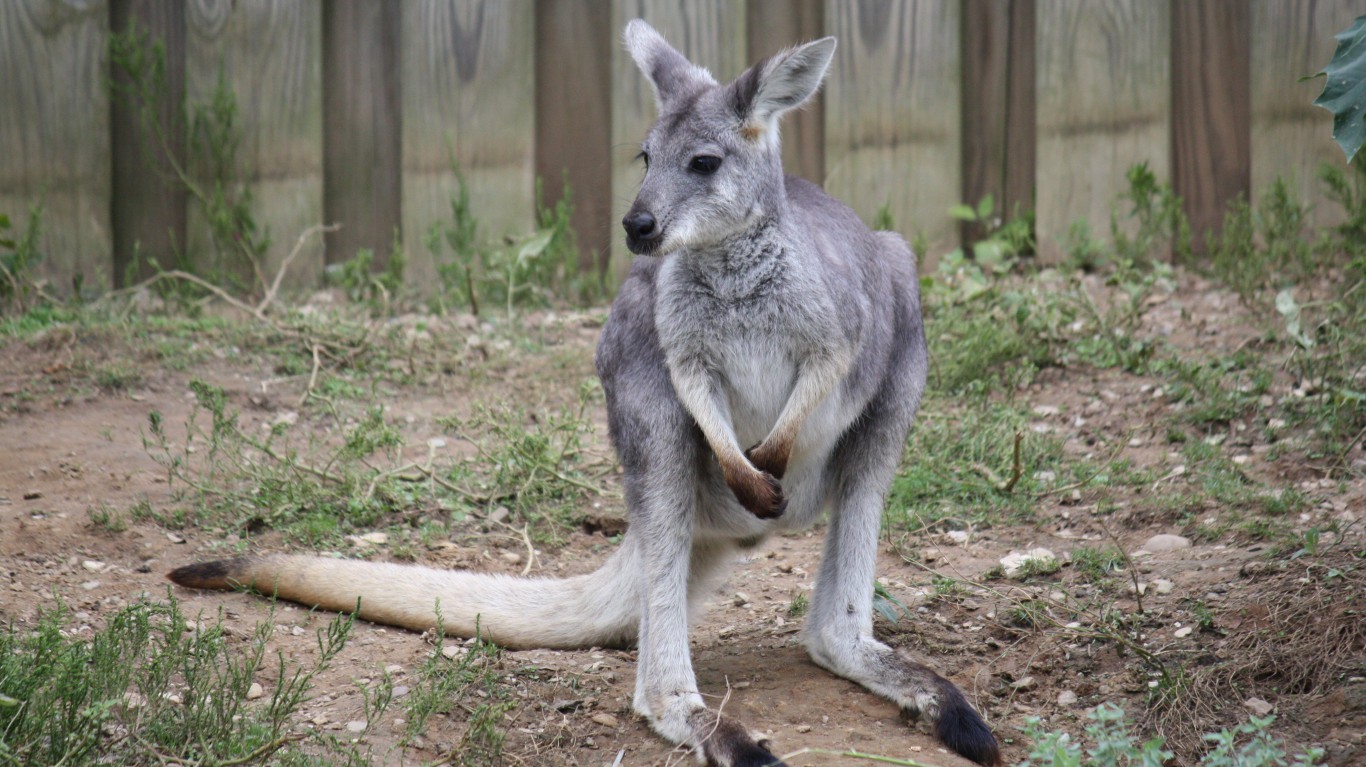
42. Wallaroo
> Natural habitat: Australia
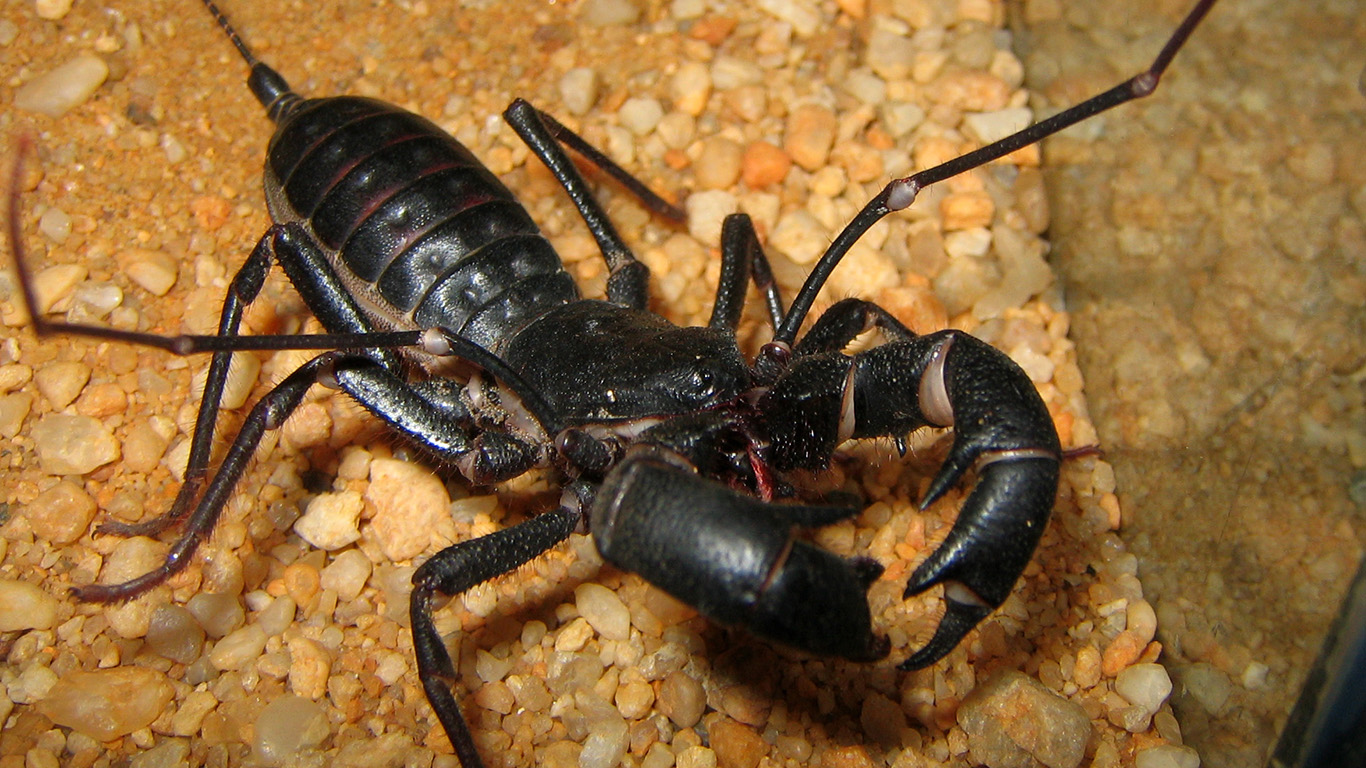
43. Whip scorpion
> Natural habitat: India, Japan, and New Guinea
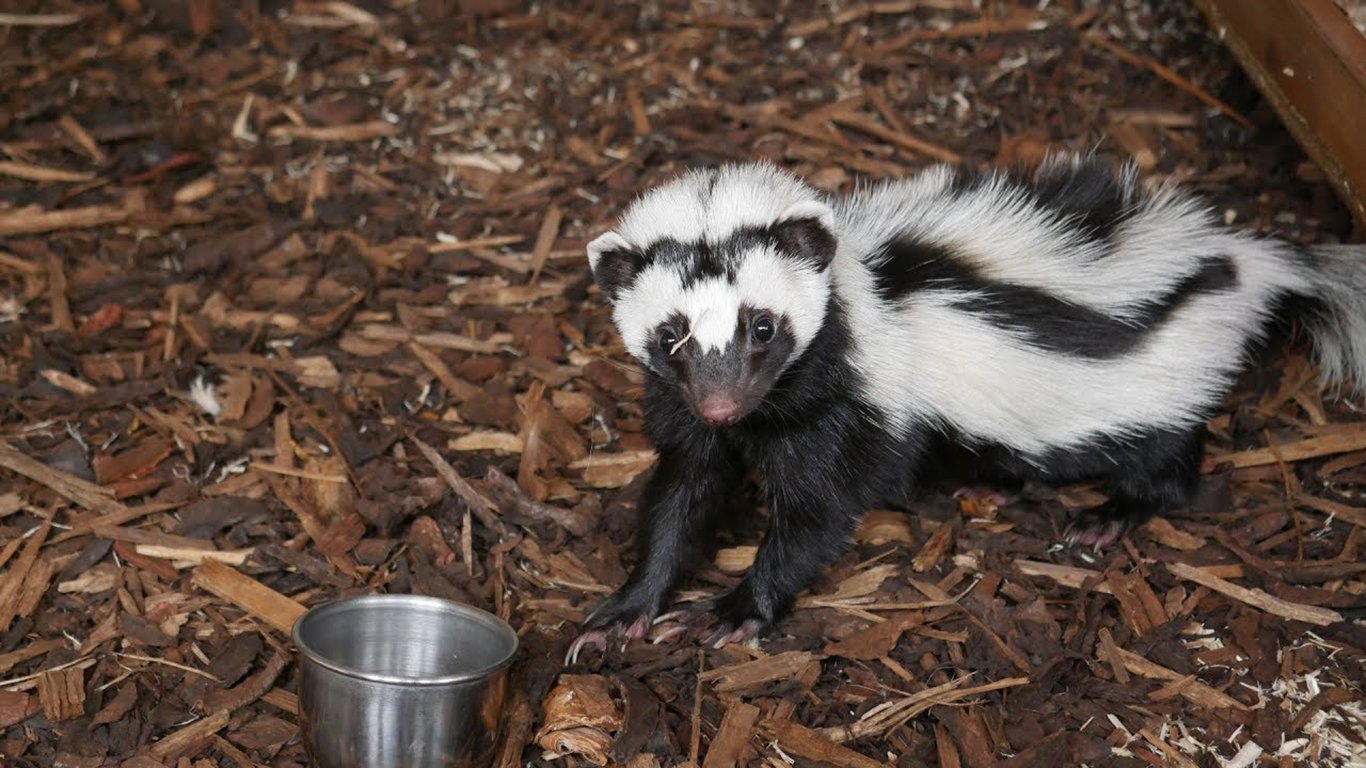
44. Zorrilla
> Natural habitat: Africa
Contact [email protected] for any questions or corrections.