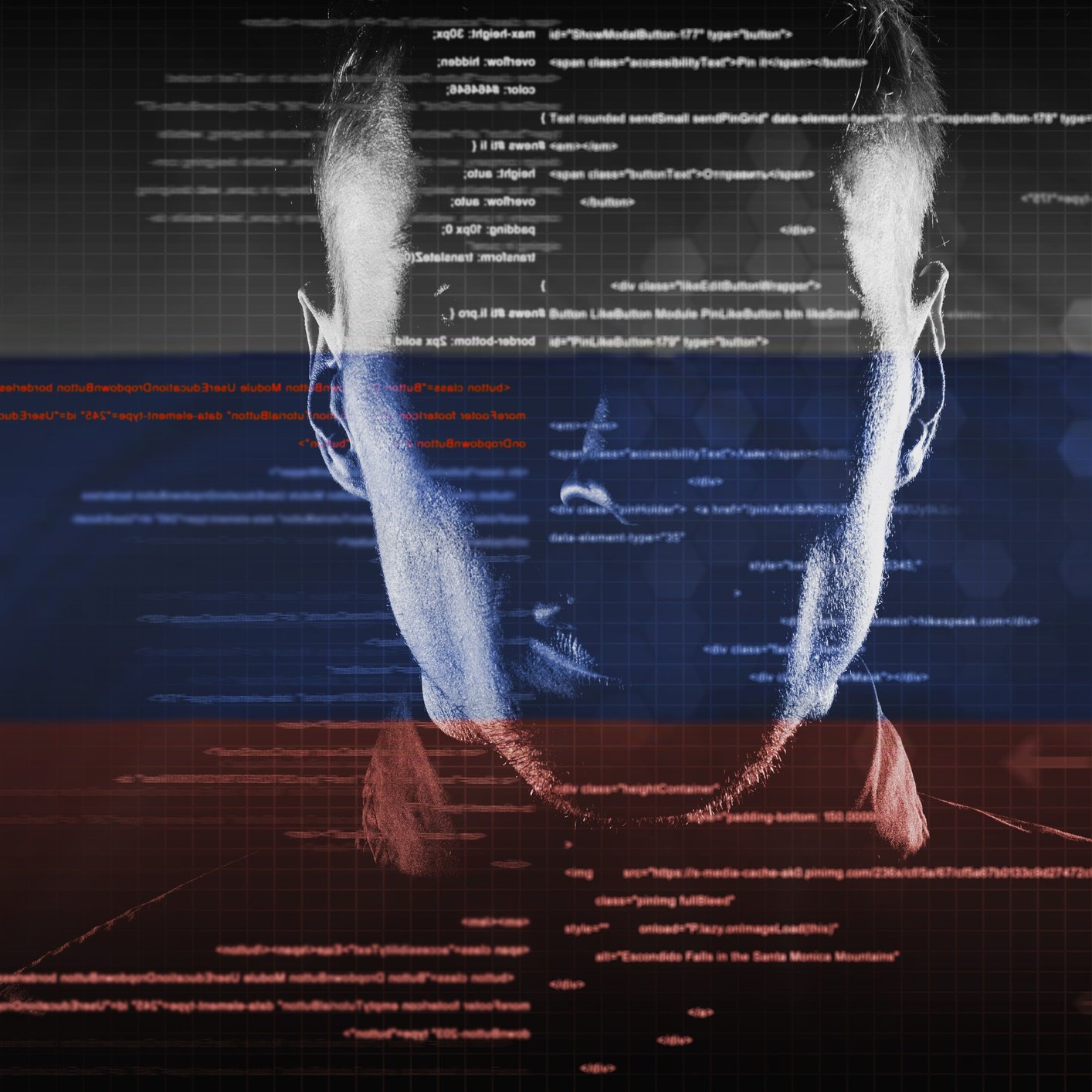
Finger Pointing Begins In Cyber Attack Wars
The head of the FBI said that cyber attack threats to US companies and the federal government are not strictly from groups in large nations such as China and Russia. Terrorists are increasingly turning to cyber attacks as a means…


The comments muddy the waters about who is to blame for attacks on US companies which are now estimated to have compromised the online systems of half of the 1,000 largest firms in America. Hackers inside China and cyber-criminals who form a sort of “online Mafia” bent on taking money from banks and companies via the internet have been blamed for the attacks.
Michael Chertoff, a former secretary at the US Department of Homeland Security, recently said that the Chinese and Russian governments may not be behind attacks on firms including Google. Individual groups inside those nations and others may be coordinating the attacks without the knowledge or aid of their governments. Chertoff was quoted by The Guardian as saying that current cybersecurity policies were a “recipe for disaster” that could inadvertently encourage a virtual attack equal to “the next Pearl Harbor.” But the enemies, whomever they are, live in the shadows which makes them harder to combat.
Cyber attacks, if the experts are to be believed, can be the work of criminals, sovereign nations, or political factions which have no ties to any government. As the threat of the attacks grows, so does the list of possible suspects. The attacks are complex and now so is the process of assigning motives for them.
It is impossible to fight what can’t be seen especially when that it’s added to a list of reasons for the attacks that cannot be deciphered
Douglas A. McIntyre
Contact [email protected] for any questions or corrections.
Douglas A. McIntyre is the co-founder, chief executive officer and editor in chief of 24/7 Wall St. and 24/7 Tempo. He has held these jobs since 2006.
McIntyre has written thousands of articles for 24/7 Wall St. He is an expert on corporate finance, the automotive industry, media companies and international finance. He has edited articles on national demographics, sports, personal income and travel.
His work has been quoted or mentioned in The New York Times, The Wall Street Journal, Los Angeles Times, The Washington Post, NBC News, Time, The New Yorker, HuffPost USA Today, Business Insider, Yahoo, AOL, MarketWatch, The Atlantic, Bloomberg, New York Post, Chicago Tribune, Forbes, The Guardian and many other major publications. McIntyre has been a guest on CNBC, the BBC and television and radio stations across the country.
A magna cum laude graduate of Harvard College, McIntyre also was president of The Harvard Advocate. Founded in 1866, the Advocate is the oldest college publication in the United States.
TheStreet.com, Comps.com and Edgar Online are some of the public companies for which McIntyre served on the board of directors. He was a Vicinity Corporation board member when the company was sold to Microsoft in 2002. He served on the audit committees of some of these companies.
McIntyre has been the CEO of FutureSource, a provider of trading terminals and news to commodities and futures traders. He was president of Switchboard, the online phone directory company. He served as chairman and CEO of On2 Technologies, the video compression company that provided video compression software for Adobe’s Flash. Google bought On2 in 2009.