T-Mobile’s Ministry of Dirty Tricks
T-Mobile has agreed to pay a fine of $40 million related to phony ring tones it sent to customers to make it appear that phone calls could not be put through.

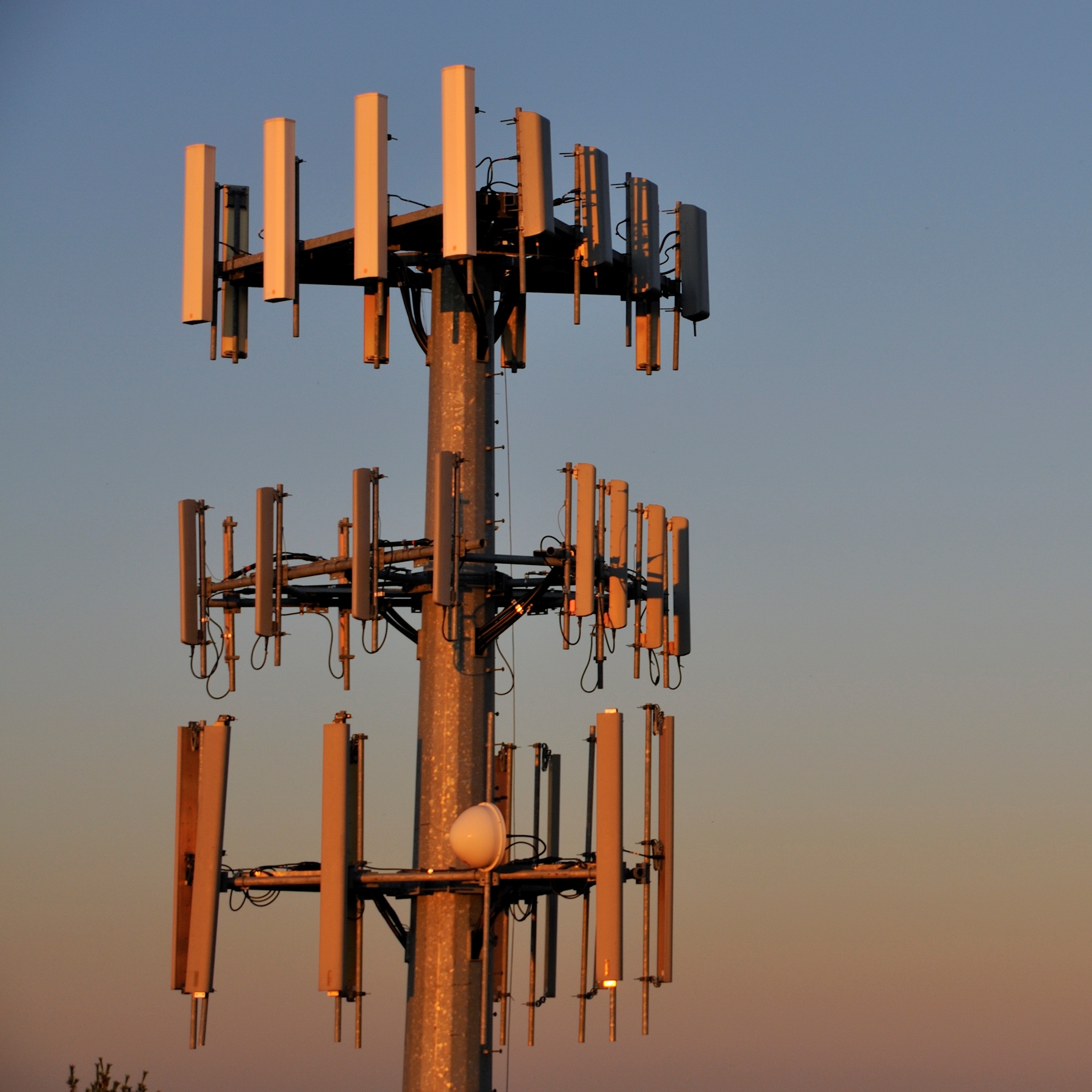
The U.S. Federal Communications Commission (FCC) on Monday fined T-Mobile USA Inc. (NASDAQ: TMUS) $40 million as part of a consent decree between the agency and the company over T-Mobile’s practice of sending false ring tones on customer phone calls. The false rings made it appear that the calls were not being answered when in fact the cell service was unable to put the call through.
According to the consent decree, T-Mobile admitted that it began using servers that included local ring back tones (LBRT) in 2007 for calls that took more than a certain length of time to complete. The FCC concluded that “the LBRT was likely injected into hundreds of millions of calls each year.” Hundreds of millions a year!
In its order issued Monday, the FCC said:
False ring tones also create a misleading impression that a caller’s service provider is not responsible if the call fails. False ring tones are a problem on calls to rural areas and are a symptom of the problems of impaired quality and completion of calls to rural areas.
In 2012 the FCC addressed the problem of rural call completions that were generally higher than in nonrural areas. The agency ruled that carriers that knew of call completion issues “may be liable” for a violation if it “knows or should know that it is providing degraded service to certain areas [and] fails to correct the problem… .” It is an especially egregious violation when customers complain and the carrier fails to correct the problem.
In addition to the $40 million fine, T-Mobile must follow a plan that requires the company to name a senior corporate manager as its compliance officer who has three months to develop a compliance plan that meets the requirements spelled out in the consent decree. T-Mobile also will have to file compliance reports with the FCC for a period of three years.
The full text of the consent decree is available at the FCC website.
T-Mobile stock traded up about 1.3% in the noon hour Tuesday, at $63.58 in a 52-week range of $54.60 to $68.88. The stock’s 12-month consensus price target is $73.54.
Contact [email protected] for any questions or corrections.
Paul Ausick has been writing for 247Wallst.com for more than a decade. He has written extensively on investing in the energy, defense, and technology sectors. In a previous life, he wrote technical documentation and managed a marketing communications group in Silicon Valley.
He has a bachelor's degree in English from the University of Chicago and now lives in Montana, where he fishes for trout in the summer and stays inside during the winter.