This Common Fruit Is Much Better for De-Icing the Roads Than Salt
Researchers at Washington State University have developed a process that makes a road de-icer from grape skins and other organic waste.

If you live in a part of the country where icy winter roads are part of the winter driving experience, you’ve certainly seen the highway department’s trucks spreading salt on the roads in an effort to melt the ice and make the road safer. You might even have seen a truck that squirts some purplish juice on the frozen surface that achieves the same result.
Every year, about 27 million tons of salt is spread on U.S. roads and highways, and that causes an estimated $5 billion in damage due to the corrosive effects of the salt on concrete, asphalt and steel. The chlorides in road salt do not degrade and threaten to cause long-term environmental damage. The purplish stuff is a mixture of salt brine and beet juice that reduces the corrosive effects of salt but can deplete aquatic organisms’ oxygen supplies when it gets into a body of water. Apparently, it also smells bad.
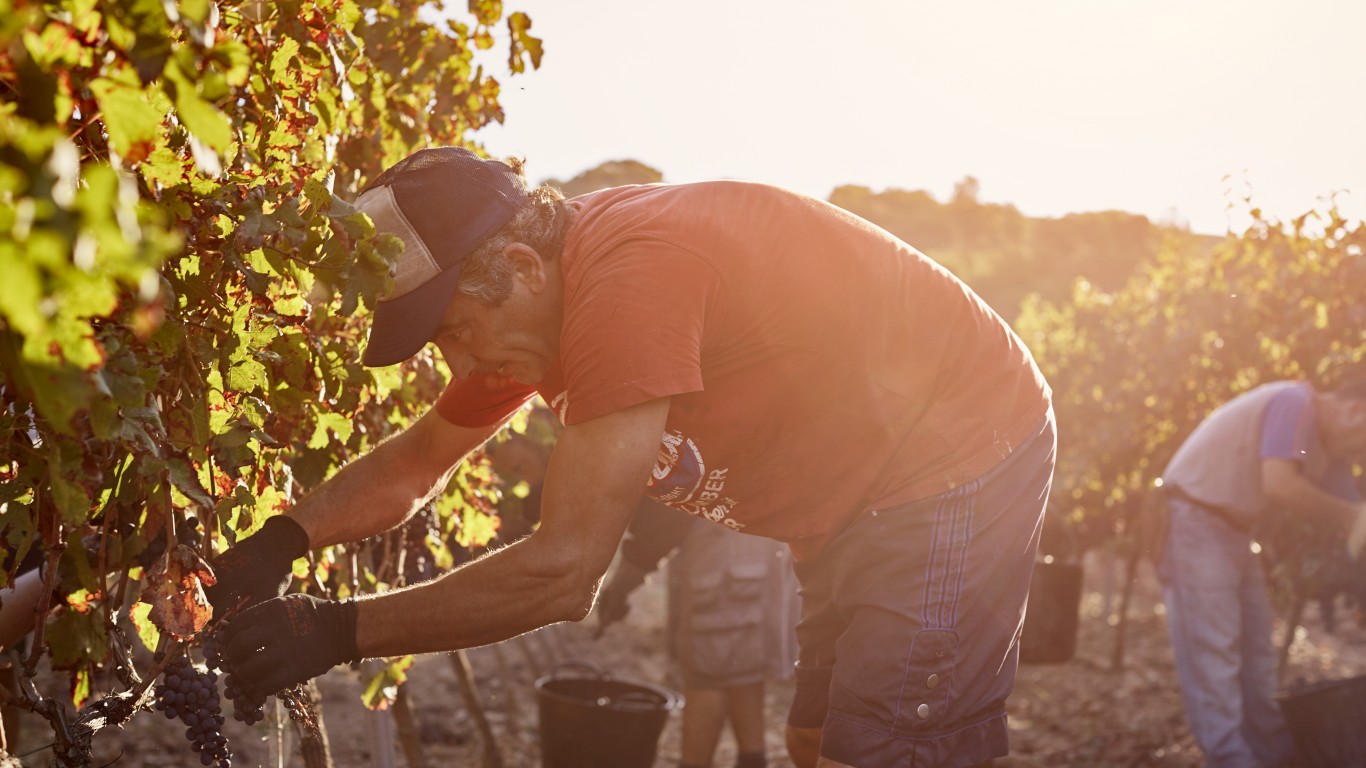
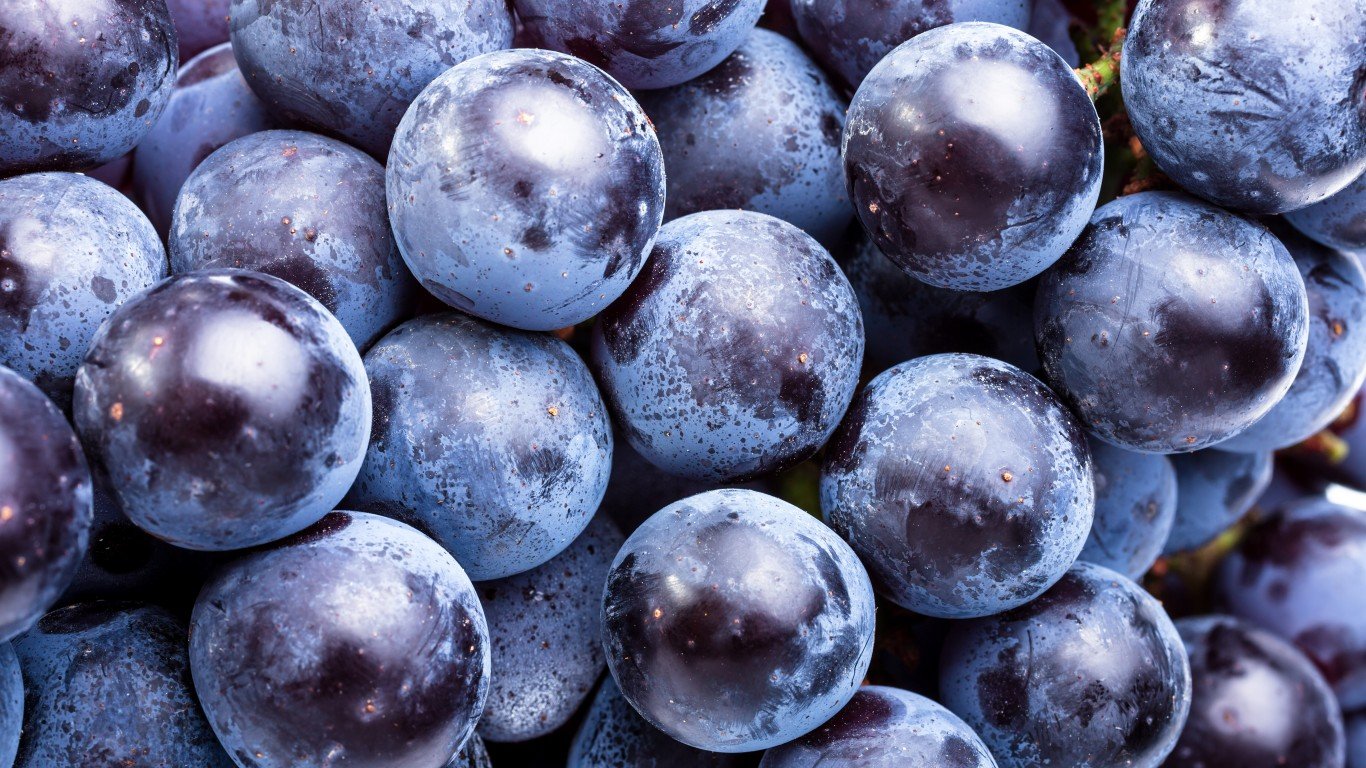
Researchers at Washington State University have come up with a more sustainable solution, one that is more environmentally friendly than either rock salt or the purplish juice. Grapes, or, more precisely, grape skins, when chemically degraded and naturally fermented, melt ice faster than either salt or beet juice and cause substantially less damage to concrete and asphalt.
What the researchers have done is to create a process that can use locally sourced agricultural waste to create a more sustainable de-icer. Xianming Shi, associate professor of civil and environmental engineering, and graduate student Mehdi Honarvar Nazari, was able to apply the process to waste peony, sugar beet, dandelion leaves, apples and grapes.
Professor Shi commented, “Our process to make the formula produces no waste of any kind. It’s one step in the right direction. The beauty of this approach is that it allows us to diversify. We can use this same platform technology in different regions of the country but choose a different agricultural product, depending on what source of waste is available.”
Highway departments have been searching for an alternative to salt for years. The beet juice solution, while better at melting ice than salt, depletes oxygen it if gets into streams and lakes. Researchers in the Netherlands developed a process that produces acetate from fermenting bacteria, but it is both expensive and difficult to control.
The states of New York and Ohio allow wastewater from fracking of natural gas wells to be used as a road de-icer, even though it contains 300 times the approved federal levels of two radium isotopes. In Wisconsin, cheese brine has been used as both a de-icer and an anti-icing agent, applied to roads before a snowstorm to prevent ice from forming. Pickle brine and potato juice (a waste product of vodka and rum distillation) have been used in Tennessee to de-ice roads.
Do your bit: Drink more wine (or vodka or rum if you live in Tennessee). While you’re at it, turn the heat down to reduce demand for natural gas. Check out the 25 worst holiday storms of all time.
Contact [email protected] for any questions or corrections.
Paul Ausick has been writing for 247Wallst.com for more than a decade. He has written extensively on investing in the energy, defense, and technology sectors. In a previous life, he wrote technical documentation and managed a marketing communications group in Silicon Valley.
He has a bachelor's degree in English from the University of Chicago and now lives in Montana, where he fishes for trout in the summer and stays inside during the winter.