6 Reasons To Avoid Meta Platforms Stock At This Moment
Facebook goes public in 2012 panida wijitpanya / iStock Editorial via Getty Images On May 18th, 2012, Facebook, now Meta Platforms, Inc. (NASDAQ: META | META Price Prediction), went public with a vast IPO that was one of the most…


Facebook goes public in 2012

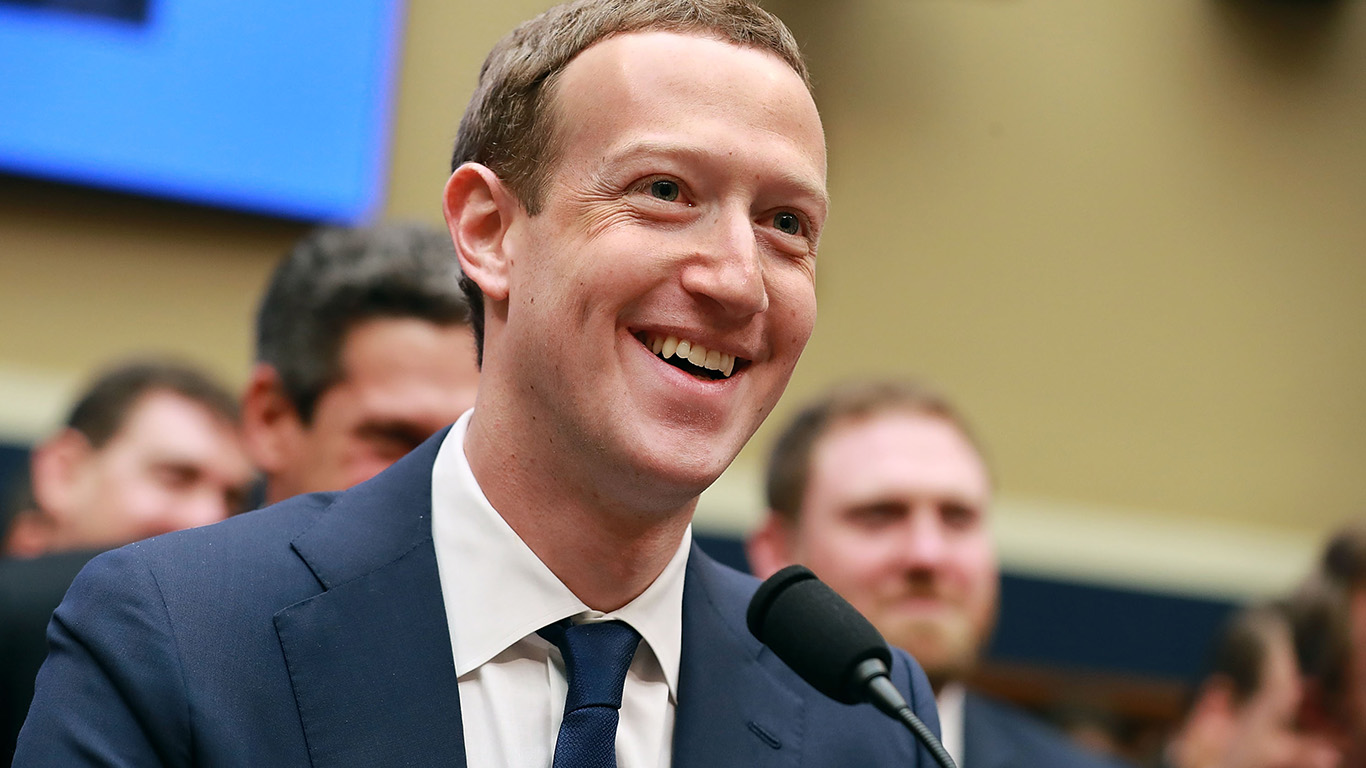
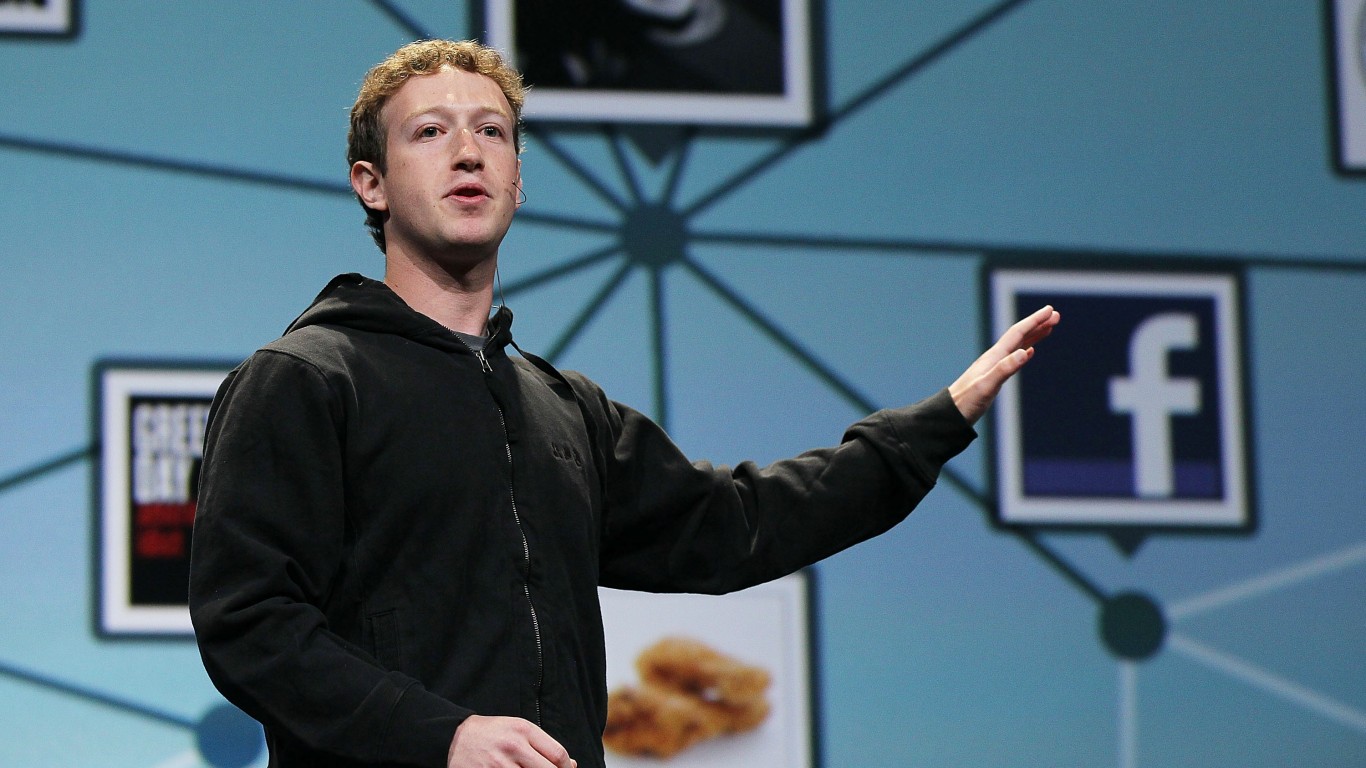
On May 18th, 2012, Facebook, now Meta Platforms, Inc. (NASDAQ: META | META Price Prediction), went public with a vast IPO that was one of the most highly anticipated in years. Led by Mark Zuckerberg, the company has grown into the leading position in social media with both Facebook and the wildly popular Instagram. The question for investors is whether the stock is a good buy or has run its course. We have six big reasons investors should avoid the shares directly.
Meta Platforms stock is expensive
Trading at a whopping 30 times trailing earnings, the stock is priced for perfection, and while earnings have been solid, should they falter or miss estimates, the stock could get hammered.
If ad revenue drops, the company is in trouble.

Like all social media venues, Meta Platforms rely on advertising revenue to produce earnings. Should the economy go into recession in 2024, which many feel is possible as the interest rate increases catch up with the consumer, advertising budgets will be among the first to be trimmed. With a projected 98% of all revenues from advertising, a crumbling economy could crush earnings
The threat of government regulation

While there is no pending legislation we could source that would restrict social media platforms, the influence that Meta Platforms and others, especially Tik-Tok, have over younger users has been widely discussed, and some bans have even been introduced. Many parents have started restricting their kids’ social media usage and often ban them from it.
Censorship collusion with the government
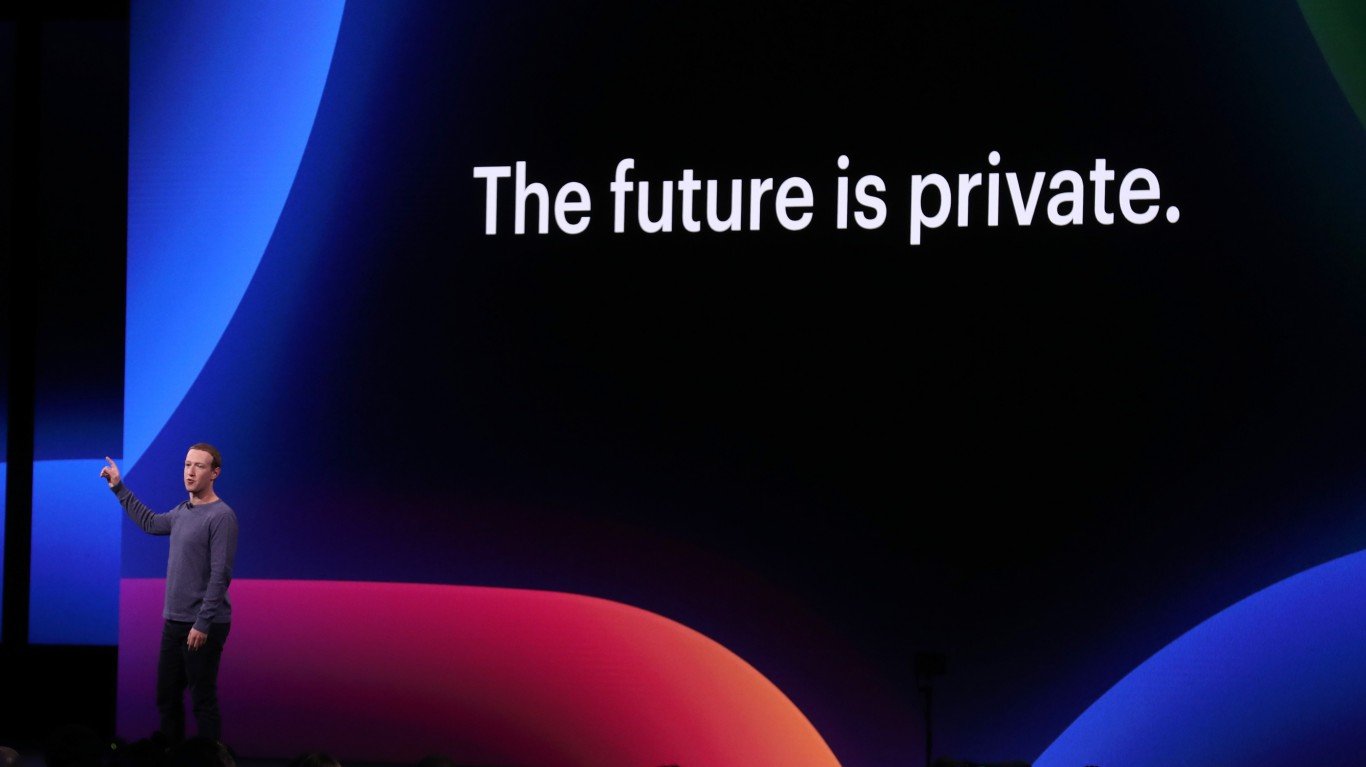
Reports that the current administration colluded with Facebook and Twitter to censor misinformation on Covid 19 have come forward over the last year. In addition, reports also cite social media for not allowing reports on the Hunter Biden laptop during the 2020 election. Last summer, a federal judge prohibited several federal agencies and members of the Biden administration from working with social media companies. These actions have soured some in the investment community and retail investors.
There is always the threat of competition.

While Meta Platform is dominant in the social media world with Facebook and Instagram, there are the complex realities of competition. Evidence of the incredible popularity of TikTok is only needed to show how fast a new player can enter the crowded spectrum.
Demographics don’t necessarily favor the company

Younger social media users tend to avoid Facebook, while 23.7% of users are between 25 and 34. Over 40% are between the ages of 35-65. Some feel that as the country ages, social media will become less critical in the age of podcasts and other media outlets, especially with some perceived censorship that many outlets have exhibited.
Contact [email protected] for any questions or corrections.
Lee Jackson has covered Wall Street analysts' equity and debt research and equity strategy daily for 24/7 Wall St. since 2012. His broad, diverse career, including a stint as creative services director at an NBC affiliate in Austin, Texas, gives him unique insight into the financial industry.
Lee Jackson's journey in the financial industry spans more than 30 years, including nearly two decades as an institutional equity salesperson at Bear Stearns, Lehman Brothers, and Morgan Stanley. His career spanned pivotal sell-side Wall Street events, from the dot-com rise and bubble to the Long-Term Capital Management debacle, 9/11, and the Great Recession of 2008. This reflects his resilience and adaptability amid market volatility.
Lee Jackson’s practical financial industry experience, gained through a career at some of the biggest banks and brokerage firms, is complemented by a lifetime of writing across various platforms. This unique combination allows him to shed light on the intricacies of Wall Street in a way only someone with deep insider experience and knowledge can. Moreover, his extensive network across Wall Street continues to provide direct access for him and 24/7 Wall St., a privilege few firms enjoy.
Since 2012, Jackson’s work for 24/7 Wall St. has been featured in Barron’s, Yahoo Finance, MarketWatch, Business Insider, TradingView, Real Money, The Street, Seeking Alpha, Benzinga, and other media outlets. He attended the prestigious Cranbrook Schools in Bloomfield Hills, Michigan, and has a degree in broadcasting from the Specs Howard School of Media Arts.