Why UPS Really Needs to Find 100,000 Seasonal Workers
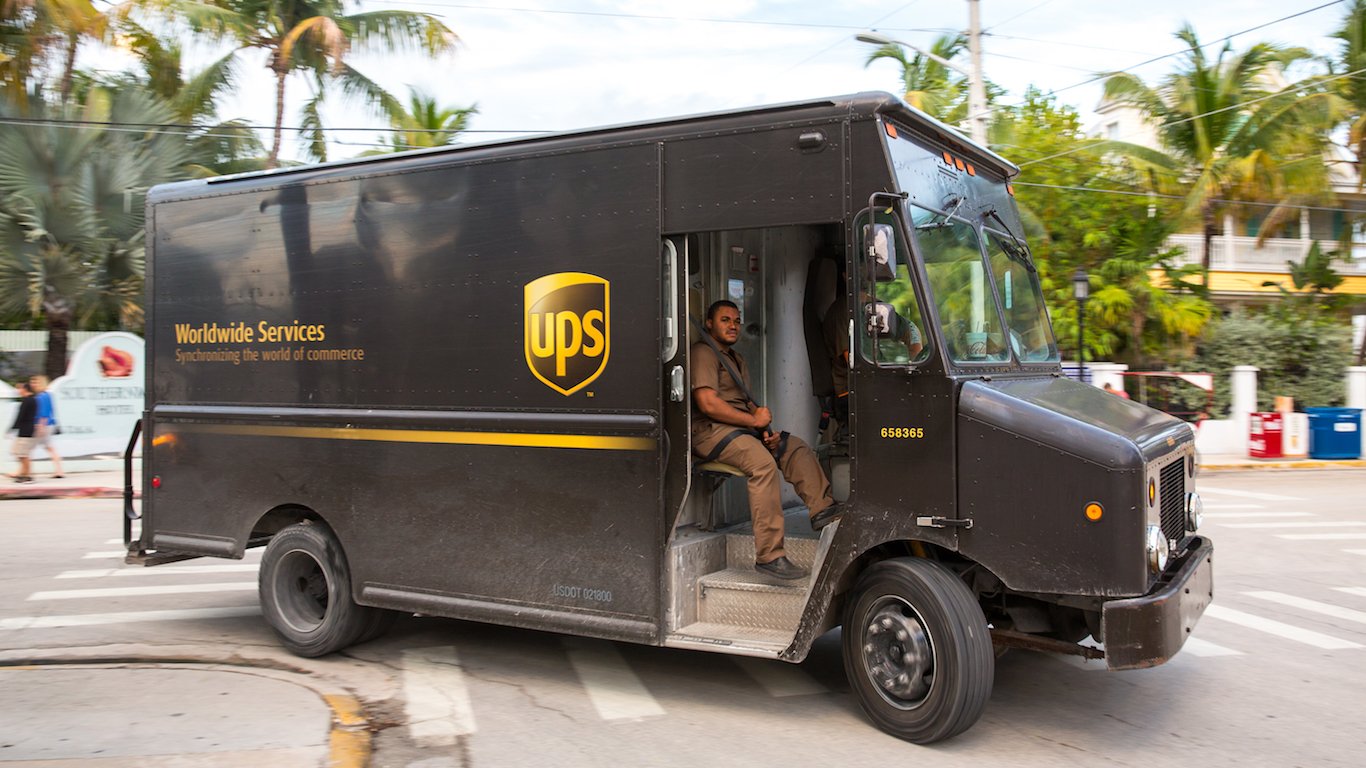
UPS has said it plans to hire 100,000 seasonal workers this year. There are three reasons why it really needs to do so if it wants to avoid a repeat of the late delivery debacle of two years ago.

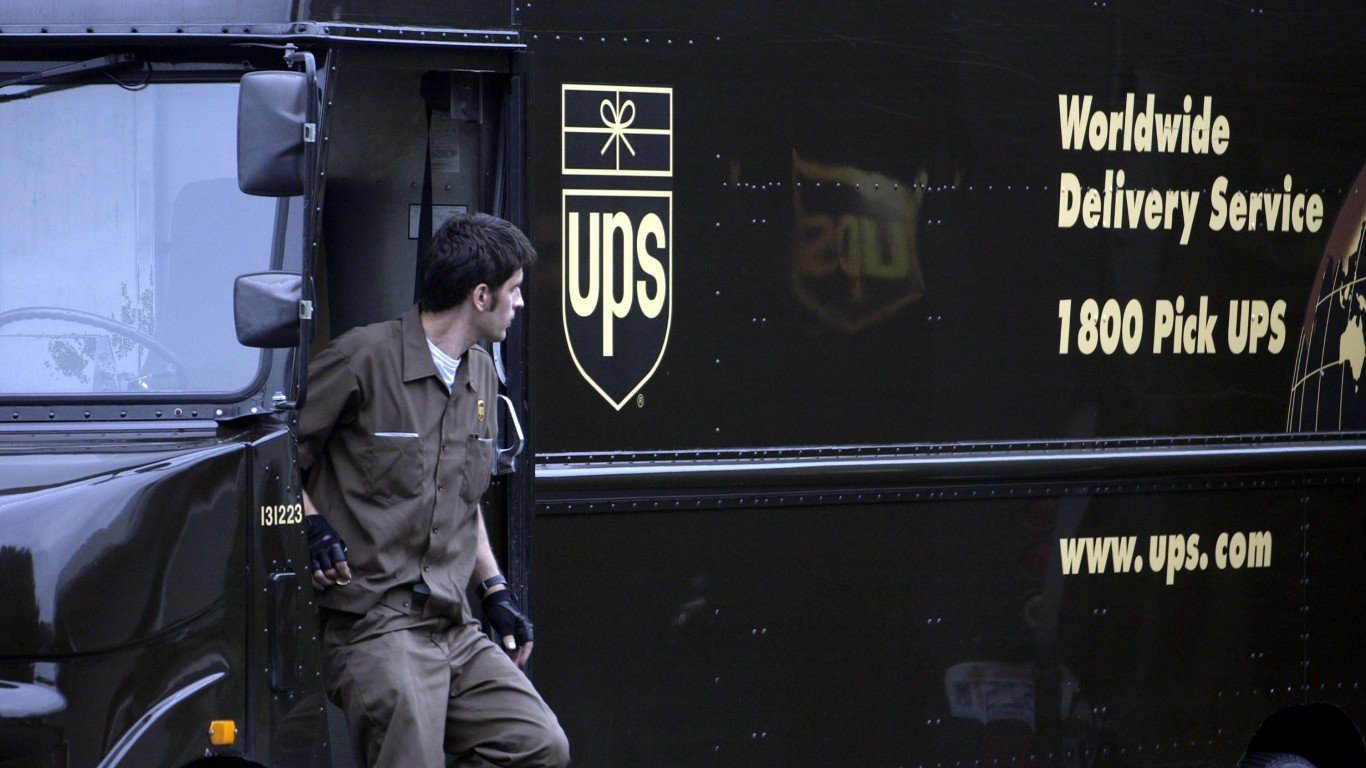
Back in early September, United Parcel Service Inc. (NYSE: UPS | UPS Price Prediction) said that it would hire 100,000 seasonal workers this year to help it deliver the expected glut of holiday packages. The company has announced that level of hiring every year for the past five years or so, but this year the U.S. unemployment rate is just 3.5% (as of September), almost 10% lower than the 3.9% rate in December of last year. Just turning up 100,000 more potential workers is going to be tricky, and hiring them is likely to be more expensive than in the past.
UPS will hold what it calls a “Brown Friday” employment event on Friday, at which it expects to hire half the total of its planned seasonal staff. The event comprises job fairs in more than 185 locations across the United States, and the company said it plans to hire thousands of job seekers “on the spot.”
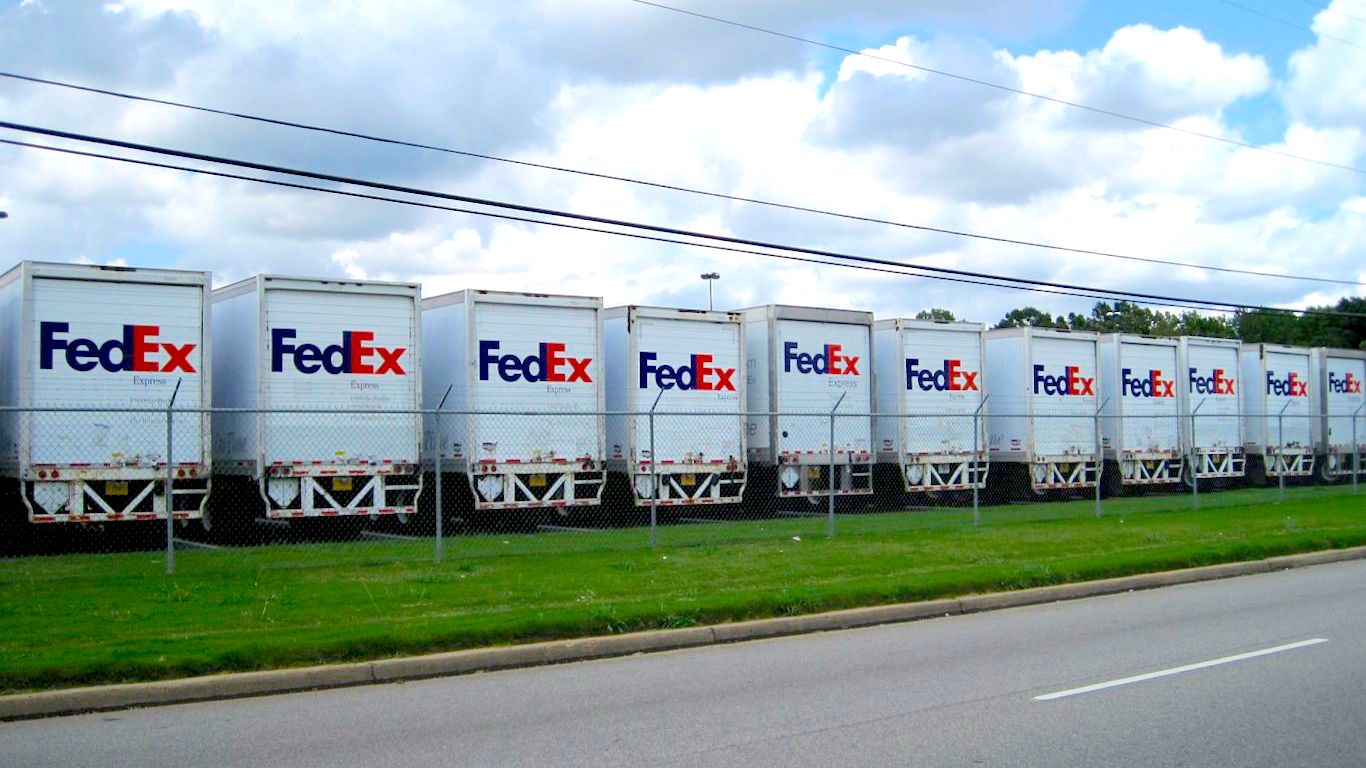
The company wants to avoid a repeat of the 2017 holiday season when it and rival FedEx Inc. (NYSE: FDX) failed to deliver about 8% of customer packages on time. Not a bad record until we look at how many actual packages were affected. UPS handled some 800 million deliveries during the 2017 holiday season, and FedEx handled another 425 million. That works out to 98 million packages that were delivered late.
Last year, the two delivery giants and the U.S. Postal Service delivered some 2.15 billion packages during the holiday season between Thanksgiving and New Year’s Day, a total of 32 shipping days. This year there are just 26 shipping days between the two bookends of the season, and that translates into a needed improvement of 29% in the three shippers’ ability to deliver goods on time.
Amazon.com Inc. (NASDAQ: AMZN), which continues to develop its own freight delivery service, led FedEx in August to end its shipping contract with Amazon. And because beauty is in the eye of the beholder, UPS saw the break-up as an opportunity to boost its business and has absorbed a portion of the shipping business that FedEx had with Amazon. Those added packages will also put a strain on UPS’s ability to meet expected delivery schedules this year.
The expected growth of holiday shipments, the abbreviated shipping season and the addition of more business from Amazon are the three hurdles UPS needs to clear in order to avoid another holiday season like the one in 2017 and the ill will it caused, to say nothing of the $125 million in additional operating expenses UPS incurred. The company is betting that wage costs, though they may be higher this year, will be worth the expense if UPS can deliver all those packages on time and continue to build goodwill with consumers and, perhaps, a longer-term business relationship with Amazon.
Contact [email protected] for any questions or corrections.
Paul Ausick has been writing for 247Wallst.com for more than a decade. He has written extensively on investing in the energy, defense, and technology sectors. In a previous life, he wrote technical documentation and managed a marketing communications group in Silicon Valley.
He has a bachelor's degree in English from the University of Chicago and now lives in Montana, where he fishes for trout in the summer and stays inside during the winter.