Uber Cuts Driver Hours, but Is It Enough?
Uber will limit the number of consecutive hours its drivers can be on the road, but the plan may still allow drivers to be on the road for longer than is safe.

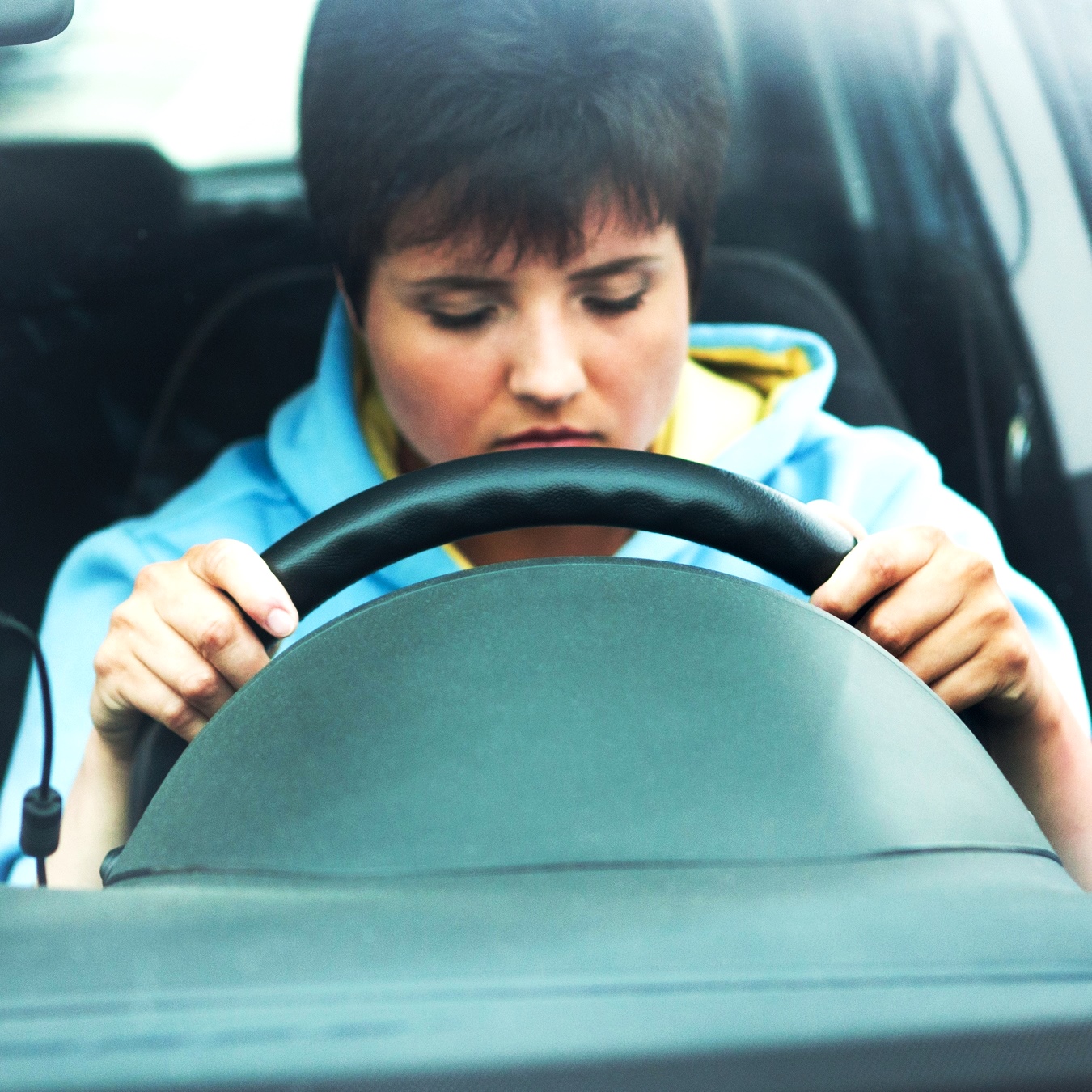
Uber will limit the number of consecutive hours its drivers can be on the road. The announcement comes a week after a study from AAA showed the dangers of “drowsy driving.” However, the Uber plan may still allow drivers to be on the road for longer than is safe in most cases.
Uber’s Sachin Kansal, director of Product Management, wrote:
Drowsy driving is an issue for all who share the road. As the latest survey from the National Sleep Foundation reports, nearly seven million people admitted to dozing off behind the wheel within the same two weeks.
While nearly 60 percent of U.S. drivers use Uber less than 10 hours a week, we want to do our part to help prevent drowsy driving. That’s why we’re taking a step forward by launching a feature across the country that prompts drivers to go offline for six straight hours after a total of 12 hours of driving time.
Studies show that several factors can contribute to the risk. Among them are a “sleep deficit” brought on by too little sleep, often over several days. Some medications make the problem worse, often after only a few hours of driving. Some people who work shifts that are not part of the “normal” 9-to-5 workday are more likely to suffer from drowsy driving problems. Even eating heavy foods can contribute to the problem.
Large companies like Uber almost by their nature have to set one size fits all employee rules. Uber’s 12-hour rule may be too little to solve a serious problem.
Contact [email protected] for any questions or corrections.
Douglas A. McIntyre is the co-founder, chief executive officer and editor in chief of 24/7 Wall St. and 24/7 Tempo. He has held these jobs since 2006.
McIntyre has written thousands of articles for 24/7 Wall St. He is an expert on corporate finance, the automotive industry, media companies and international finance. He has edited articles on national demographics, sports, personal income and travel.
His work has been quoted or mentioned in The New York Times, The Wall Street Journal, Los Angeles Times, The Washington Post, NBC News, Time, The New Yorker, HuffPost USA Today, Business Insider, Yahoo, AOL, MarketWatch, The Atlantic, Bloomberg, New York Post, Chicago Tribune, Forbes, The Guardian and many other major publications. McIntyre has been a guest on CNBC, the BBC and television and radio stations across the country.
A magna cum laude graduate of Harvard College, McIntyre also was president of The Harvard Advocate. Founded in 1866, the Advocate is the oldest college publication in the United States.
TheStreet.com, Comps.com and Edgar Online are some of the public companies for which McIntyre served on the board of directors. He was a Vicinity Corporation board member when the company was sold to Microsoft in 2002. He served on the audit committees of some of these companies.
McIntyre has been the CEO of FutureSource, a provider of trading terminals and news to commodities and futures traders. He was president of Switchboard, the online phone directory company. He served as chairman and CEO of On2 Technologies, the video compression company that provided video compression software for Adobe’s Flash. Google bought On2 in 2009.