China’s climate moment, plus Carlyle joins Blackstone in private equity de-carb
By David Callaway, Callaway Climate Insights Big week in China as it celebrates the Lunar New Year and the opening of the Winter Olympics in Beijing with what’s expected to be a massive climate snow job. From using primarily solar…


By David Callaway, Callaway Climate Insights
Big week in China as it celebrates the Lunar New Year and the opening of the Winter Olympics in Beijing with what’s expected to be a massive climate snow job.
From using primarily solar and wind energy to power the venues, enhanced, low-carbon refrigeration systems for the ice events, and a series of carbon offsets donated from sponsors, China is promising a carbon-neutral games the likes of which have not been seen before. It is, of course, making its own snow, and there’s the issue of human rights violations in the making of Olympic uniforms, but don’t expect to hear much — or anything — about that in this high-tech marketing splash.
Not since the Berlin games of 1932 has a host country used the Olympics to such an effective display of pro-sport, nationalist propaganda. It will be interesting to watch the shares of some of the sponsors, such as Coca-Cola (KO), Procter & Gamble (PG) and Airbnb (ABNB) as the games progress, to see if any of the taint from the carefully scripted events will rub off. With the International Olympic Committee (IOC) turning a blind eye to China’s role on the world stage, sponsors and indeed the athletes will be left to take some of the hit. Unjustly.
I will be watching the hockey, the snowboarding, the downhill skiing, and the ice skating along with everyone else, looking for daily displays of extraordinary human endeavor. But as for climate progress, as long as China puts more focus on staging a made-for-TV extravaganza than on cutting its world-leading coal production, no amount of obscure forestry offsets will hide what’s really happening.
More insights below. . . .
Climate battle takes center stage in DC over Fed nominee Raskin
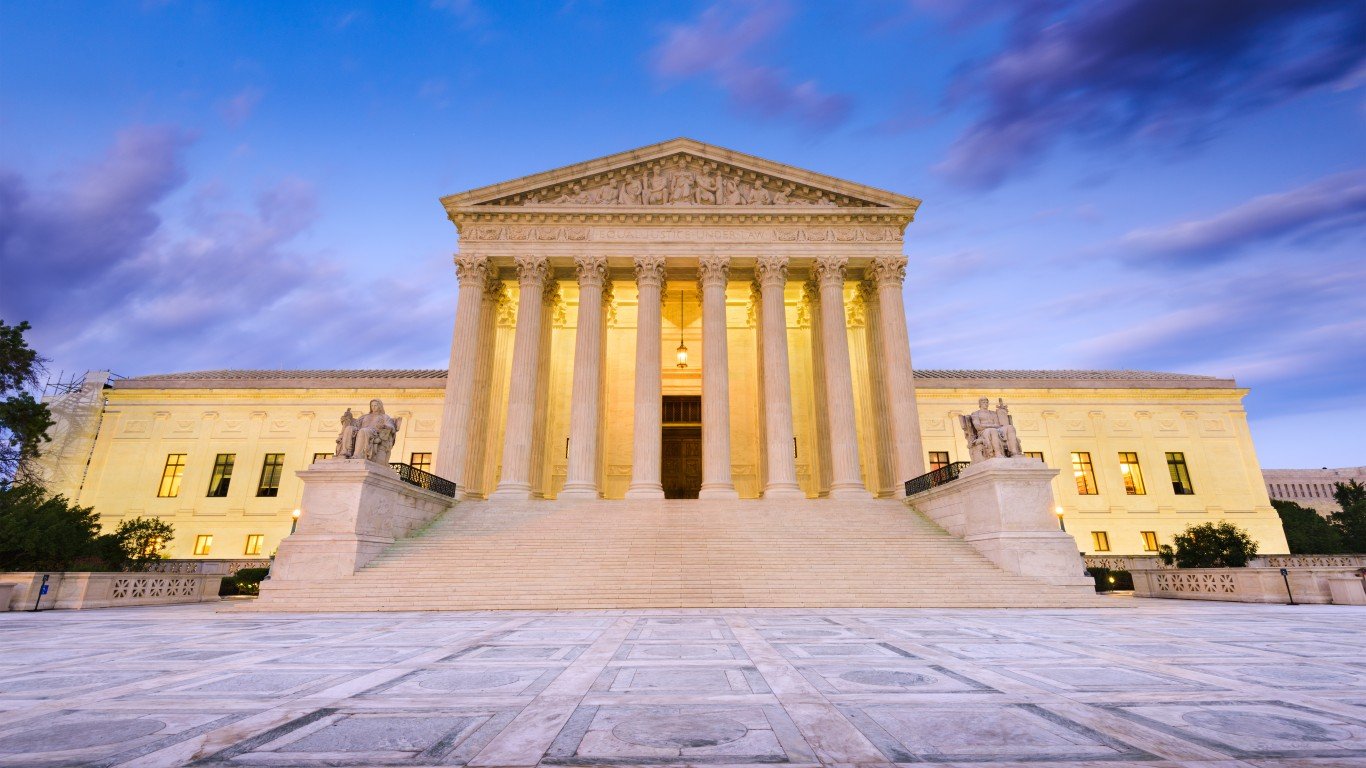
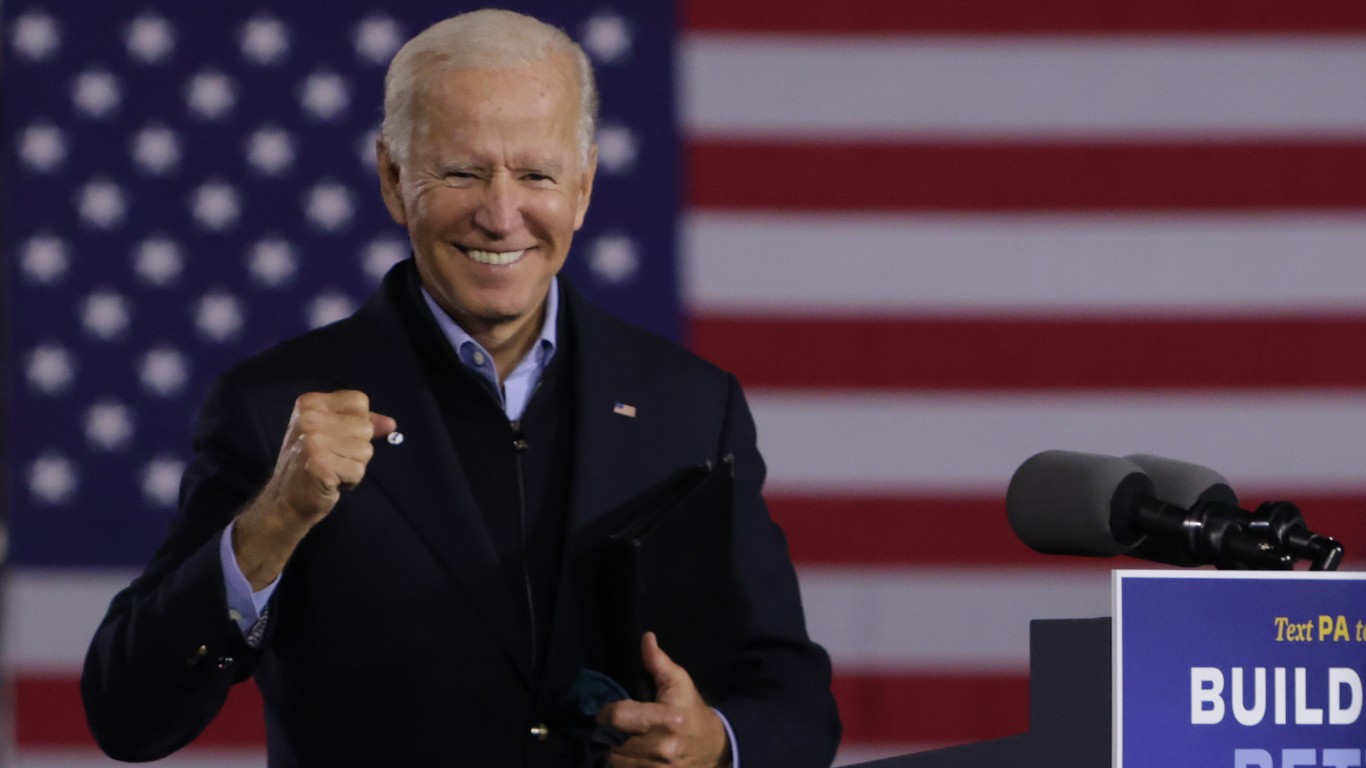
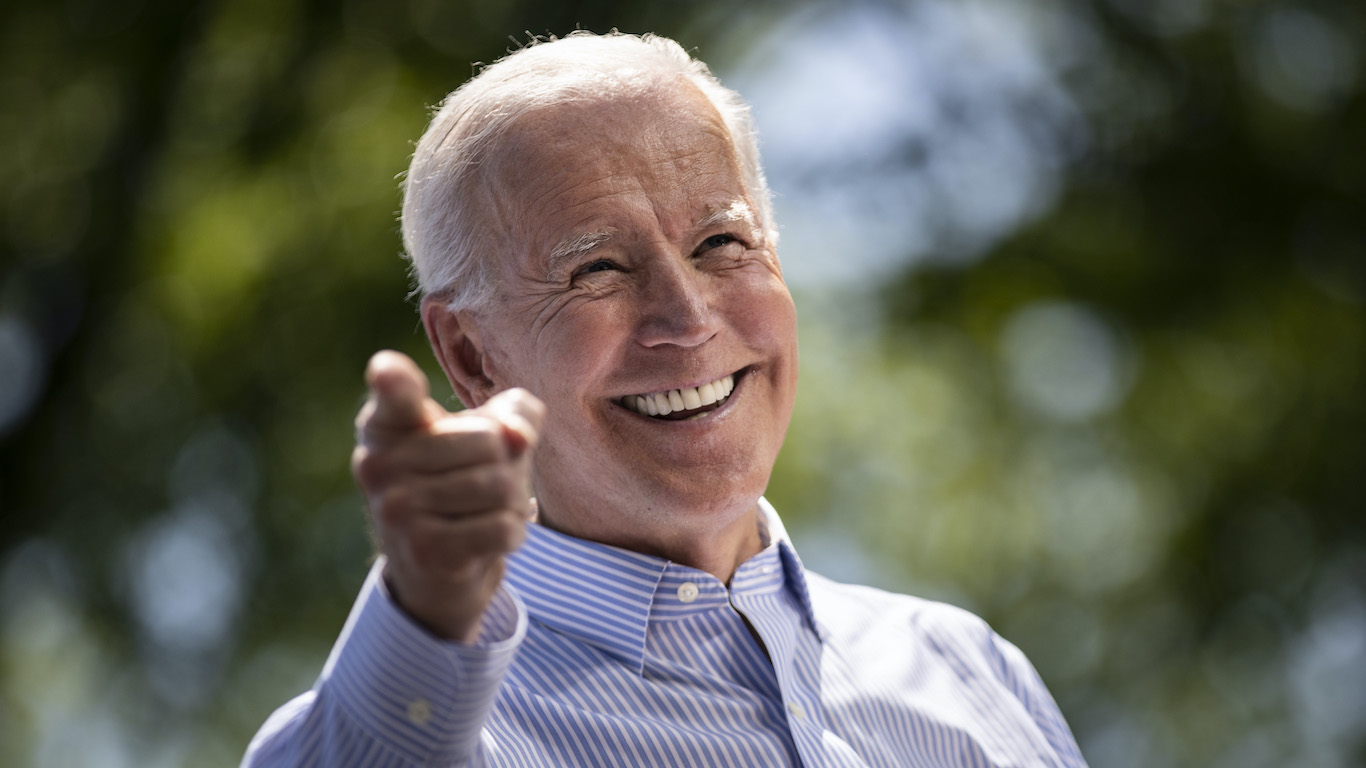
. . . . It’s rare that a nomination to the Federal Reserve Board receives as much attention as Sarah Bloom Raskin’s is getting in Washington D.C. this week, but it underscores the emerging importance climate change will have on national politics, especially in the run up to the midterm elections, writes David Callaway. Two dozen red state treasurers have teamed up with the oil and gas industry to try to torpedo President Joe Biden’s nomination of Raskin to vice chair of supervision at the Fed, responsible for Wall Street. Her opponents claim her views that the fossil fuel industry needs to be unwound are a massive economic threat to the country. A dramatic hearing is set for Thursday on Capitol Hill. . . .
Tuesday’s subscriber insights: Carlyle joins Blackstone in the race to cut portfolio emissions
. . . . Following the lead of Blackstone in beginning to plan the massive reduction of carbon output from its portfolio holdings, Carlyle Group pledged today to get its $300 billion in assets down to net-zero by 2050, as private equity jumps with both feet into the climate battle. How it manages to do it, by investing in new companies with improving track records, or divesting bad ones, or both, will be key to its success, which it said it will track and report on year to year. Expect to hear a lot more coming from private equity this year, as the real work of cutting emissions replaces the pledges that no longer move the needle. . . .
. . . . BloombergNEF held a renewable energy conference in San Francisco this week, and it was the first conference we’ve attended in person in almost three years. Highlights included a debate between two BNEF analysts — one in China and one in the U.S. — on who will dominate the nascent autonomous vehicle markets. And a presentation by Aleksandra O’Donovan, head of electrified transport, on how and where adoption of electric vehicles is hitting an inflection point, in which it will be consumer led (answer: China and Europe). Fascinating insights, after you got past the masks and vax requirements. . . .
. . . . As part of the conference, BNEF released its annual tally of investment in climate solutions for 2021, claiming that some $755 billion was invested globally last year. That included about half in the renewable energy sector, but electrified transport was the fastest growing area, up some 77%. Battery storage also leaped. The numbers bode well for continued growth this year but are still only about a third of what BNEF estimates the world needs to see. Read more here. . . .
. . . . On one hand, a storm in Britain dramatically upped its wind power sector numbers to where it produced over half of the nation’s power needs recently. On the other, it showed wind and solar’s big weakness: unpredictability. Enter wave power and tidal energy to help reduce that gap, as shown by surging funding numbers for new wave projects in the U.S. Read more here. . .
. . . . Chevron fourth quarter earnings report included its best quarterly profits since 2014, as oil’s rise last year fed directly to its bottom line. The temptation is, of course, to drill for more oil and reap more rewards. But a new report this week warns that more exploration and exploitation could backfire on Big Oil, leaving hundreds of billions in stranded assets if oil prices turn lower. A delicate dance is needed as Chevron weighs its profit against the coming transition. Read more here. . . .
. . . . Virtual conferencing won’t get you tiny fruit tartelettes or a tete-a-tete with a colleague in the Four Seasons bar, as BNEF provided in San Francisco this week, but new research published in the journal Nature Communications says virtual conferencing through platforms such as Zoom Video (ZM) can reduce the carbon footprint of the global events business by 94% and energy use by 90%. That translates to about 5 billion tons of carbon. Tartelettes aside, something tells us we know which Zoom shareholders would prefer. Read more here. . . .
Editor’s picks: Storms on the move, crop insurance issues, and super solar on superstores?
Is crop insurance discouraging resiliency?
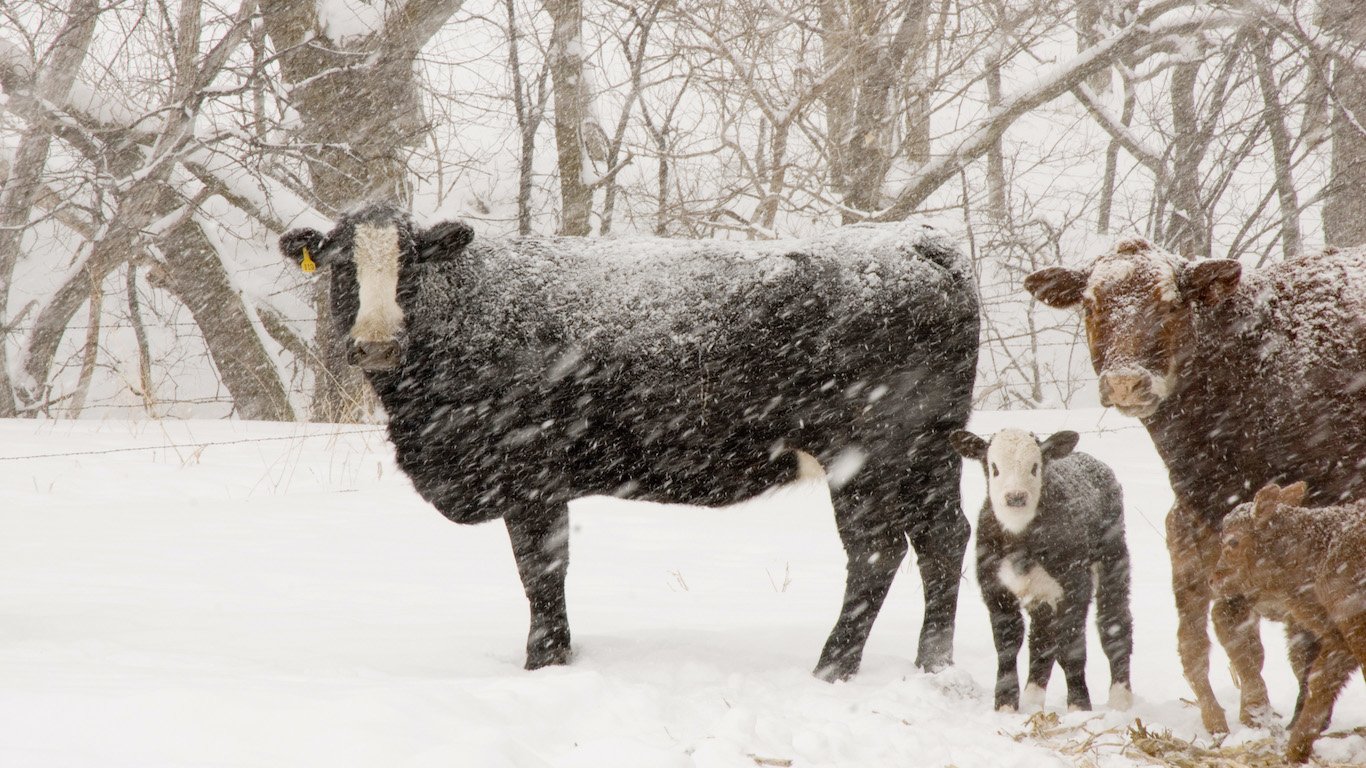
U.S. farmers received more than $143.5 billion in federal crop insurance payouts from 1995 through 2020, most of it linked to extreme weather exacerbated by the climate crisis, according to a new Environmental Working Group analysis of Department of Agriculture data. According to the advocacy group, insurance payments to farmers have risen more than 400% for drought-related losses and nearly 300% for losses from rains and flooding, from 1995 to 2020. Anne Schechinger, agricultural economist and EWG midwest director, says, “What we’re seeing is that climate change is likely increasing costs to this program, and we also know that crop insurance discourages farmers from adapting to climate change. … We think the program needs to be reformed to encourage farmers to become more resilient to extreme weather from climate change.”
Solar on superstores
Big roofs offer big opportunities for renewable energy, says a new report from Environment America Research & Policy Center and the Frontier Group. The report says the U.S. has “the technical potential to produce 78 times as much electricity as it used in 2020 just with solar photovoltaic (PV) energy. … To achieve a future of 100% clean and renewable energy, America must capitalize on every solar energy opportunity, including on the rooftops of big box superstores.” The group notes there are more than 100,000 big box retail stores, supercenters, large grocery stores and malls, with almost 7.2 billion cumulative square feet of rooftop space. “The rooftops of America’s big box stores and shopping centers have the potential to generate 84.4 terawatt-hours (TWh) of solar electricity each year, equivalent to the amount of electricity used by almost 8 million average U.S. homes, or more than 30,400 typical Walmart stores,” the report says.
Callaway Climate Insights Newsletter
Contact [email protected] for any questions or corrections.
Trey has been an editor and author at 24/7 Wall St. for more than a decade, where he has published thousands of articles analyzing corporate earnings, dividend stocks, short interest, insider buying, private equity, and market trends. His comprehensive coverage spans the full spectrum of financial markets, from blue-chip stalwarts to emerging growth companies.
Beyond 24/7 Wall St., Trey has created and edited financial content for Benzinga and AOL's BloggingStocks, contributing additional hundreds of articles to the investment community.
Trey's editorial expertise extends across multiple publishing environments. He served as production editor at Dearborn Financial Publishing and development editor at Kaplan, where he helped shape financial education materials. Earlier in his career, he worked as a writer-producer at SVE. His freelance editing portfolio includes work for prestigious clients such as Sage Publications, Rand McNally, the Institute for Supply Management, the American Library Association, Eggplant Literary Productions, and Spiegel.
Outside of financial journalism, Trey writes fiction and has been an active member of the writing community for years, moderating workshop sessions at regional conventions.