The Most Difficult City to Sell a Home In
A recent analysis reveals that the city where it is most difficult to sell a house is in Connecticut.

Many cities in America have had real estate markets with such high demand that homes for sale received multiple bids. In these places, homes sometimes are sold in just a few days. Traditionally, homes are on the market for a few months, so the change is profound.
The rush to buy new homes also has driven up prices. According to the S&P Case-Shiller home price index, home prices have risen by 20% year over year in most months this year. The median price for a home in the United States has risen close to $400,000, a figure that would have been unimaginable just a few years ago.
RubyHome looked at 93 markets based on Zillow data: the price of homes versus what they sold for, the average number of days homes were on the market, the number of new monthly listings, and the percentage of homes with price cuts. Each metropolitan area was assigned as many as 100 points, with a low number of points for the worst market.
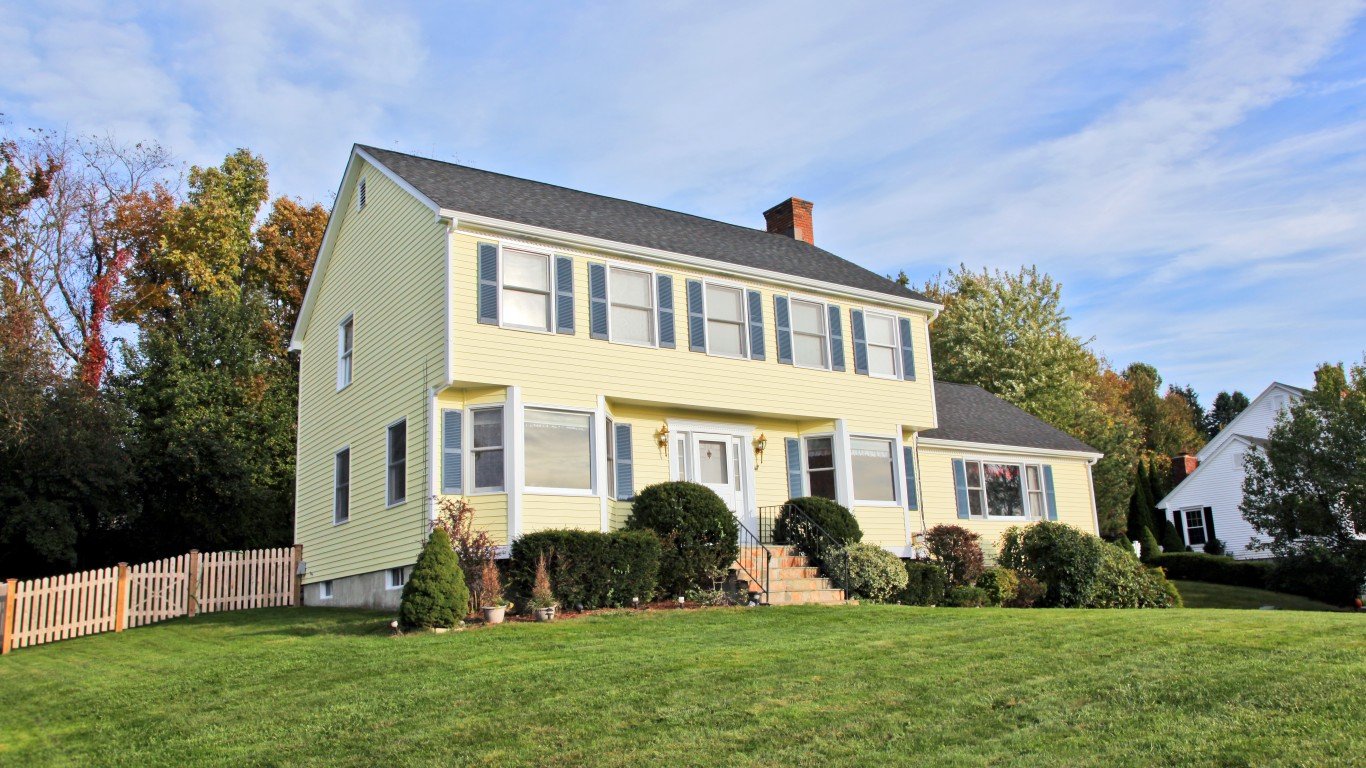
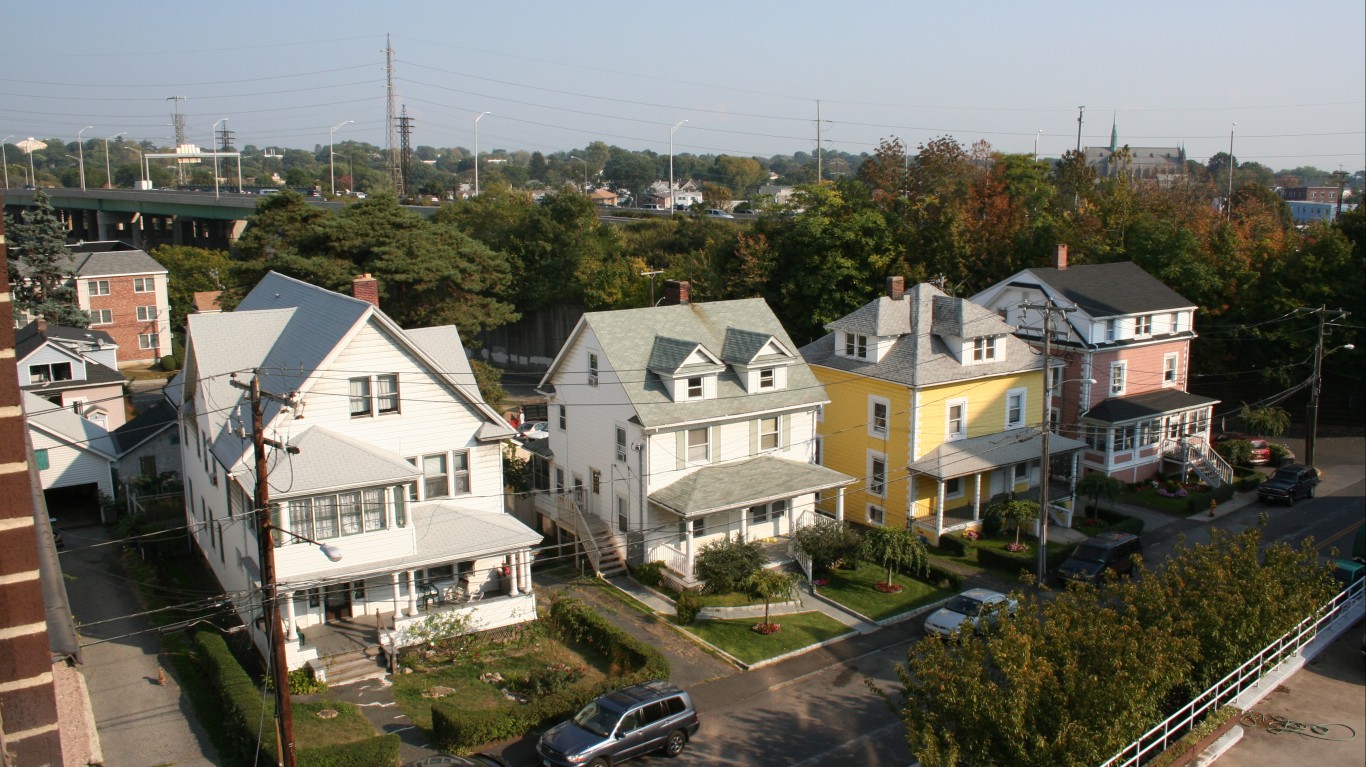
In the Bridgeport-Stamford-Norwalk, Connecticut, metro, it was the most difficult to sell a home. The average price drop was $369,500. The percentage of houses for sale with a price drop was 7.1. The price drop is probably so large because some areas in the metro are among the richest in the country. These include Greenwich and Darian, Connecticut.
The fourth worst market to sell a home was adjacent to the Bridgeport market. The New York-Jersey City-Newark market is one of the largest in the nation. The average drop in home prices was $168,000, and 7.8% of homes had price drops.
Between Stamford and New York, the second place where homes were hardest to sell was Coral Gables-Fort Myers, Florida. The average price drop was $181,000. The percentage of homes with price drops was 11.5. In third place was Northport-Sarasota, Florida, with a price drop of $180,000 and 10.3% of homes with price drops.
The housing market is starting to show cracks, particularly in these cities.
Contact [email protected] for any questions or corrections.
Douglas A. McIntyre is the co-founder, chief executive officer and editor in chief of 24/7 Wall St. and 24/7 Tempo. He has held these jobs since 2006.
McIntyre has written thousands of articles for 24/7 Wall St. He is an expert on corporate finance, the automotive industry, media companies and international finance. He has edited articles on national demographics, sports, personal income and travel.
His work has been quoted or mentioned in The New York Times, The Wall Street Journal, Los Angeles Times, The Washington Post, NBC News, Time, The New Yorker, HuffPost USA Today, Business Insider, Yahoo, AOL, MarketWatch, The Atlantic, Bloomberg, New York Post, Chicago Tribune, Forbes, The Guardian and many other major publications. McIntyre has been a guest on CNBC, the BBC and television and radio stations across the country.
A magna cum laude graduate of Harvard College, McIntyre also was president of The Harvard Advocate. Founded in 1866, the Advocate is the oldest college publication in the United States.
TheStreet.com, Comps.com and Edgar Online are some of the public companies for which McIntyre served on the board of directors. He was a Vicinity Corporation board member when the company was sold to Microsoft in 2002. He served on the audit committees of some of these companies.
McIntyre has been the CEO of FutureSource, a provider of trading terminals and news to commodities and futures traders. He was president of Switchboard, the online phone directory company. He served as chairman and CEO of On2 Technologies, the video compression company that provided video compression software for Adobe’s Flash. Google bought On2 in 2009.