This Is Driving the Dow’s Surge to 40,000
Watch the video for a discussion about the Dow Jones Industrial Average 40,000 milestone. Doug and Lee examine the historical context and current factors driving today’s growth. The conversation highlights the impact of a few companies, the value-weighted nature of…

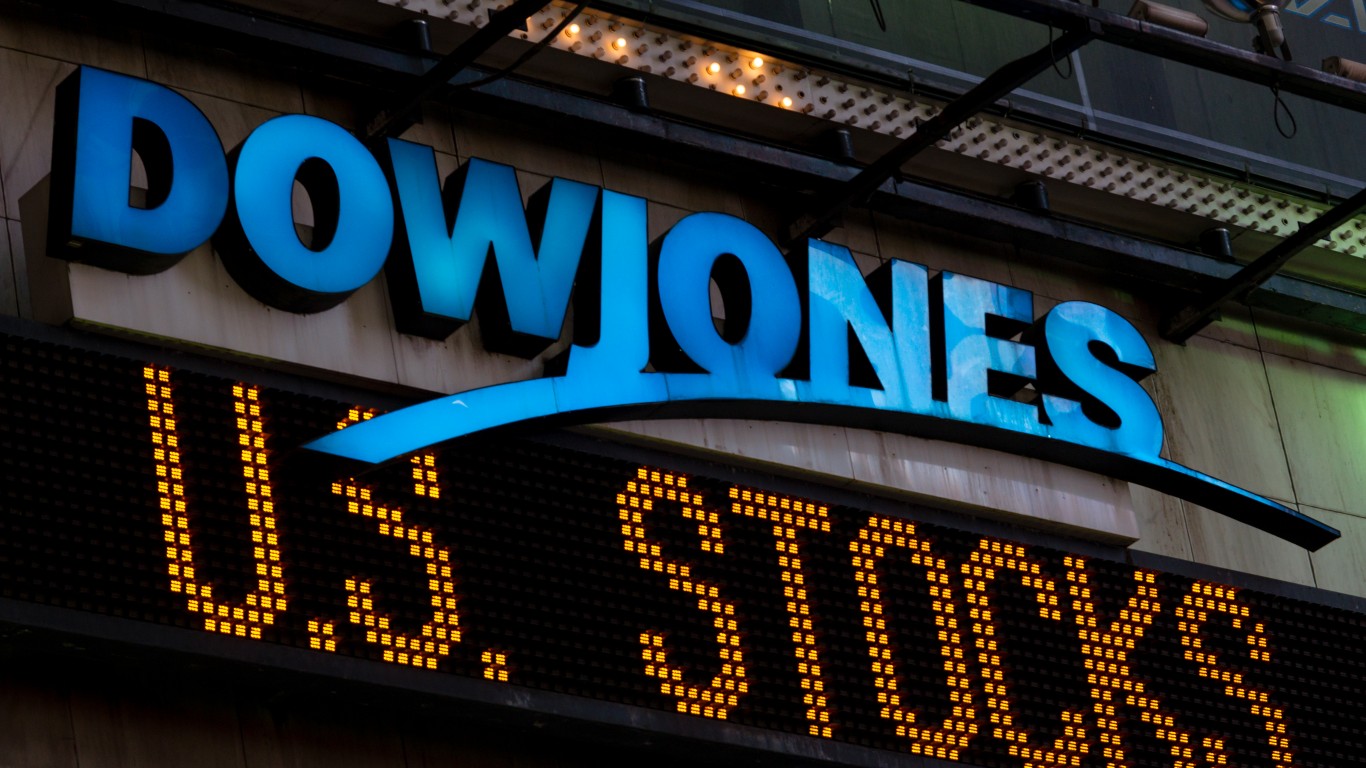
Watch the video for a discussion about the Dow Jones Industrial Average 40,000 milestone. Doug and Lee examine the historical context and current factors driving today’s growth. The conversation highlights the impact of a few companies, the value-weighted nature of the index, and the role of high-dividend stocks. Both Doug and Lee express skepticism around reaching new milestones any time soon.
Transcript:
Dow 40,000. I mean, in my lifetime, it’s been below 5,000.
I think at one point in the financial crisis, it collapsed. I think it was below 10.
It was.
What’s the driver of this? Is it a small number of stocks or is it 30 companies?
Well, it is a small number. And remember, it was only 25 years ago when they were tossing the red hats that said Dow 10,000 in 1999.
And, you know, it’s a smaller index. And remember, there was authors then putting out Dow 30,000 and Dow 35,000 books.
And, you know, Wall Street was going, oh, or the skeptics were going, no, that’ll never happen. And then, of course, it does come to fruition.
But when you only have 30 stocks and you have some that are tech names that have become a lot bigger in that 25 years, I think that’s what drove it to some degree.
So maybe you could explain, people think it’s 30 stocks, each one would be valued equally. But the fact of the matter is, it’s not that way at all.
No. Well, they’re value-weighted based on market cap. So that plays a part in it, of course. And then, of course, you have a reasonably significant amount of the stocks pay a good dividend.
So people are always rooting for the dogs of the Dow, which are the five or 10 highest yielding stocks, which means they’ll be the lowest price stocks because yields move inverse to stock price.
So I think it’s been, you know, an overall index move, but there’s been names that were added in say the last 10 and 15 years that really juiced it in a big way.
If you look at the investing community, when you hit these important milestones, how many people say it’s gone too far, particularly when the number of years…
Contact [email protected] for any questions or corrections.
Austin Smith is a financial publisher with over two decades of experience as an investor, analyst, and advisor. He covers stocks, ETFs, Artificial intelligence and personal finance for 24/7 Wall St. Previously, he spent over a decade at The Motley Fool as a senior editor for Fool.com, portfolio advisor for Millionacres, and launched The Ascent to help reader take control of their personal finances.
His work has been featured on Fool.com, NPR, CNBC, USA Today, Yahoo Finance, MSN, AOL, Marketwatch, and many other publications. He is as an advisor to private companies, and co-hosts The AI Investor Podcast with Eric Bleeker.
When not looking for investment opportunities, he can be found skiing, running, or playing soccer with his children. Learn more about Austin's investment approach here.