What’s Going on With JetBlue’s One-Day Fare Sale?
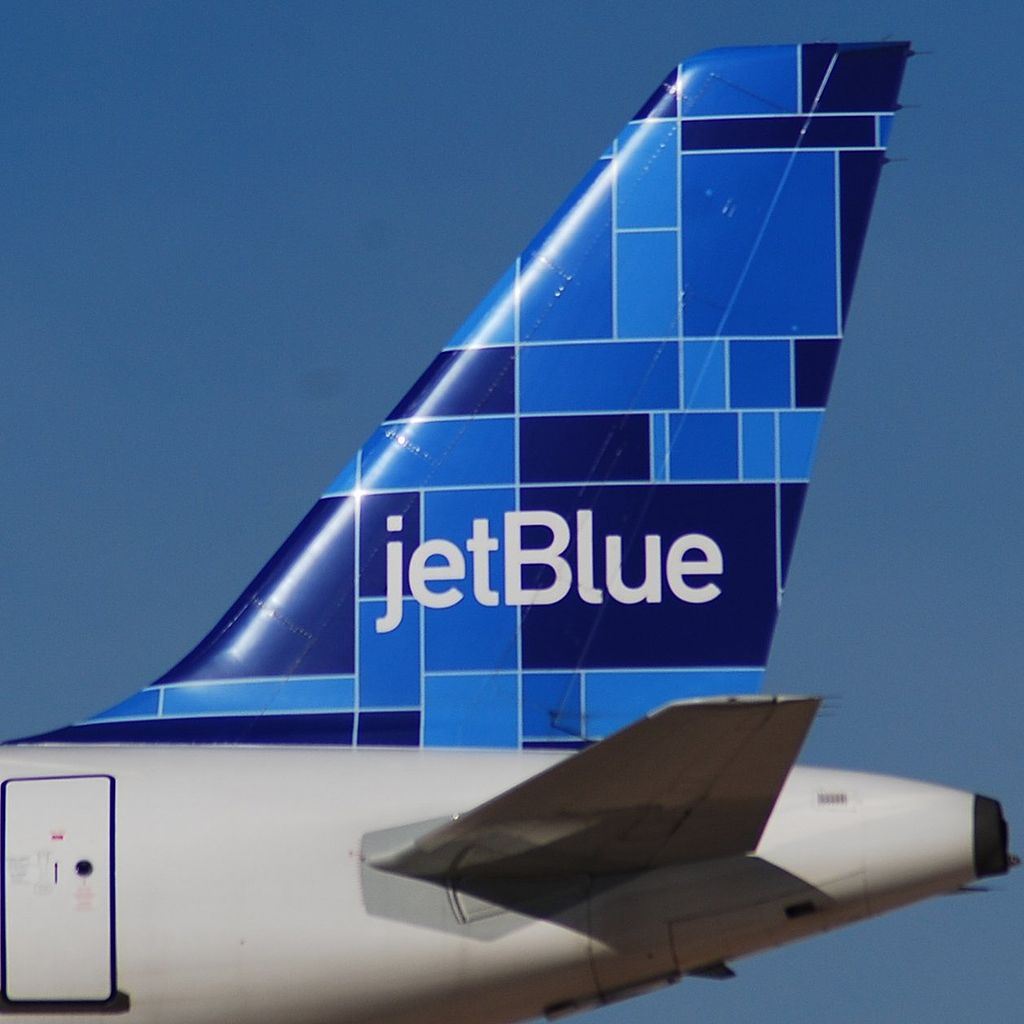
JetBlue has announced a one-day fare sale for Tuesday, December 19, with one-way fares as low as $44.


JetBlue Airways Corp. (NASDAQ: JBLU) has kicked off a one-day sale (December 19) with one-way fares as low as $44 on some flights. There are blackout dates and other possible restrictions, and travel must fall between January 10 and February 14 or February 26 and March 14.
The allowable travel dates include the Martin Luther King Jr. holiday, but not the two-week period surrounding the President’s Day holiday.
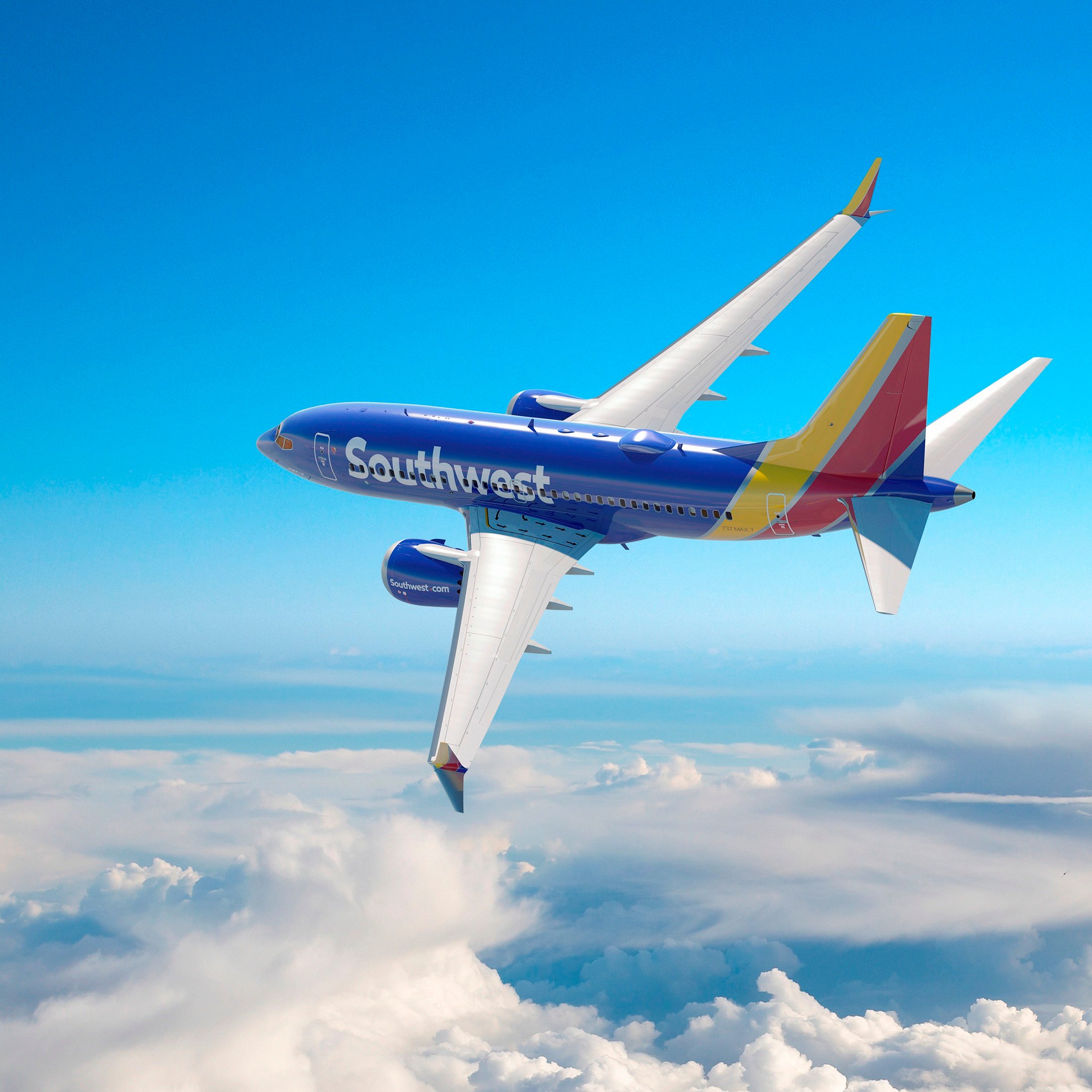
Among dozens of published fares, JetBlue is advertising a $49 one-way flight from Atlanta to Boston or $98 for a round-trip, leaving January 10 and returning the next day. For the same trip on the same days, Southwest Airlines Co. (NYSE: LUV) offers a round-trip fare of $97.96 while ultra-low-cost carrier Spirit Airlines Inc. (NASDAQ: SAVE) offers the same round trip for $92.40.
JetBlue’s sale is not doing any more than matching fares with its competitors. The airline recognizes the need to put more passengers on its planes. JetBlue’s load factor (percentage of seats occupied by passengers) in November fell by 1.2 percentage points to 84.2% as the airline added more capacity.
Southwest’s load factor in November rose by 70 basis points to 85.8% and Spirit’s rose 10 basis points to 81.4%. In both cases, capacity additions were more than offset by passengers in the seats.
For the first 11 months of 2017, JetBlue’s load factor is 84.5%, down 0.7 points year over year. The number of available seat miles has risen by 4.5% and the number of revenue passenger miles has risen by 3.6%. That indicates that the airline’s fleet is growing faster than the number of passengers flying in those planes. Putting passengers in those available seats, even at a discount, is better than flying empty seats.
Southwest’s year-to-date load factor is down 0.2 points to 84% while available seat miles are up 3.7% and revenue miles are up 4.4%. Although the load factor is a bit lower than JetBlue’s, the revenue mile total is nearly three times higher for Southwest.
Spirit’s load factor is lower than either JetBlue’s or Southwest’s at 83.4%, a decline of 1.7 points year over year. Available seat miles are up 16.2%, and revenue miles are up 13.9%, but total miles are barely 20% of Southwest’s.
Contact [email protected] for any questions or corrections.
Paul Ausick has been writing for 247Wallst.com for more than a decade. He has written extensively on investing in the energy, defense, and technology sectors. In a previous life, he wrote technical documentation and managed a marketing communications group in Silicon Valley.
He has a bachelor's degree in English from the University of Chicago and now lives in Montana, where he fishes for trout in the summer and stays inside during the winter.