In EV News: Tesla Loses Model 3 Safety Rating, Files for Cybertruck UI Patent
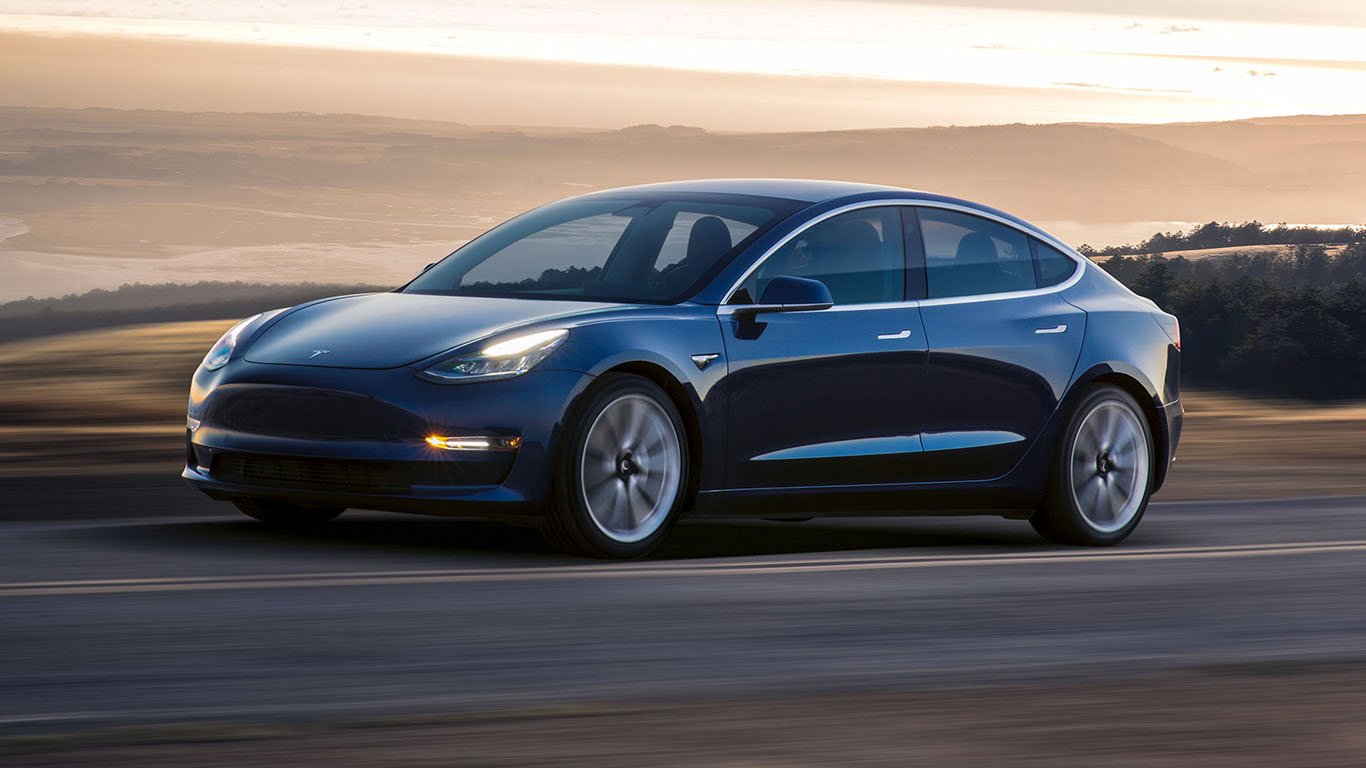
Consumer Reports removed its Top Pick rating for Tesla's Model 3 sedan after the automaker announced that new versions of its Autopilot feature would no longer use cameras. The magazine may have jumped the gun.


On Tuesday, Tesla Inc. (NASDAQ: TSLA | TSLA Price Prediction) announced that it had begun building its Model 3 sedan and Model Y sport utility vehicle without radar. The company warned that some features of its Autopilot technology would be limited at first as the company transitions to Tesla Vision, its camera-based Autopilot system.
On Thursday, Consumer Reports (CR) magazine reported that it no longer lists the Model 3 as a Top Pick and that the Insurance Institute for Highway Safety “plans to remove the Model 3’s Top Safety Pick+ designation.” CR made the change to its rating because the National Highway Traffic Safety Administration (NHTSA) said that Tesla’s switch to the solely camera-based system may lack key advanced safety features like forward collision warning (FCW) and automatic emergency braking (AEB).
In addition to removing its checkmarks for FCW and AEB, the NHTSA erased its checkmarks for the two Tesla vehicles for lane departure warning and dynamic brake support. CR reported that the NHTSA told the magazine “that it rescinded the check marks after Tesla briefed the agency on production changes due to the transition to Tesla Vision from radar.”
Friday morning, Fred Lambert at Electrek wrote that the Model 3 and Model Y, even without radar, “are still equipped with Autopilot’s active safety features despite what the media are saying and some organizations dropping their Tesla safety ratings.”
Lambert reached Tesla CEO Elon Musk who offered this comment:
Just confirmed with the Autopilot team that these features are active in all cars now, including vision-only. NHTSA automatically removes the check mark for any cars with new hardware until they retest, which is happening next week, but the functionality is actually there.
Lambert also noted that some new Tesla owners who have received vehicles without radar have also confirmed that the safety features are active.
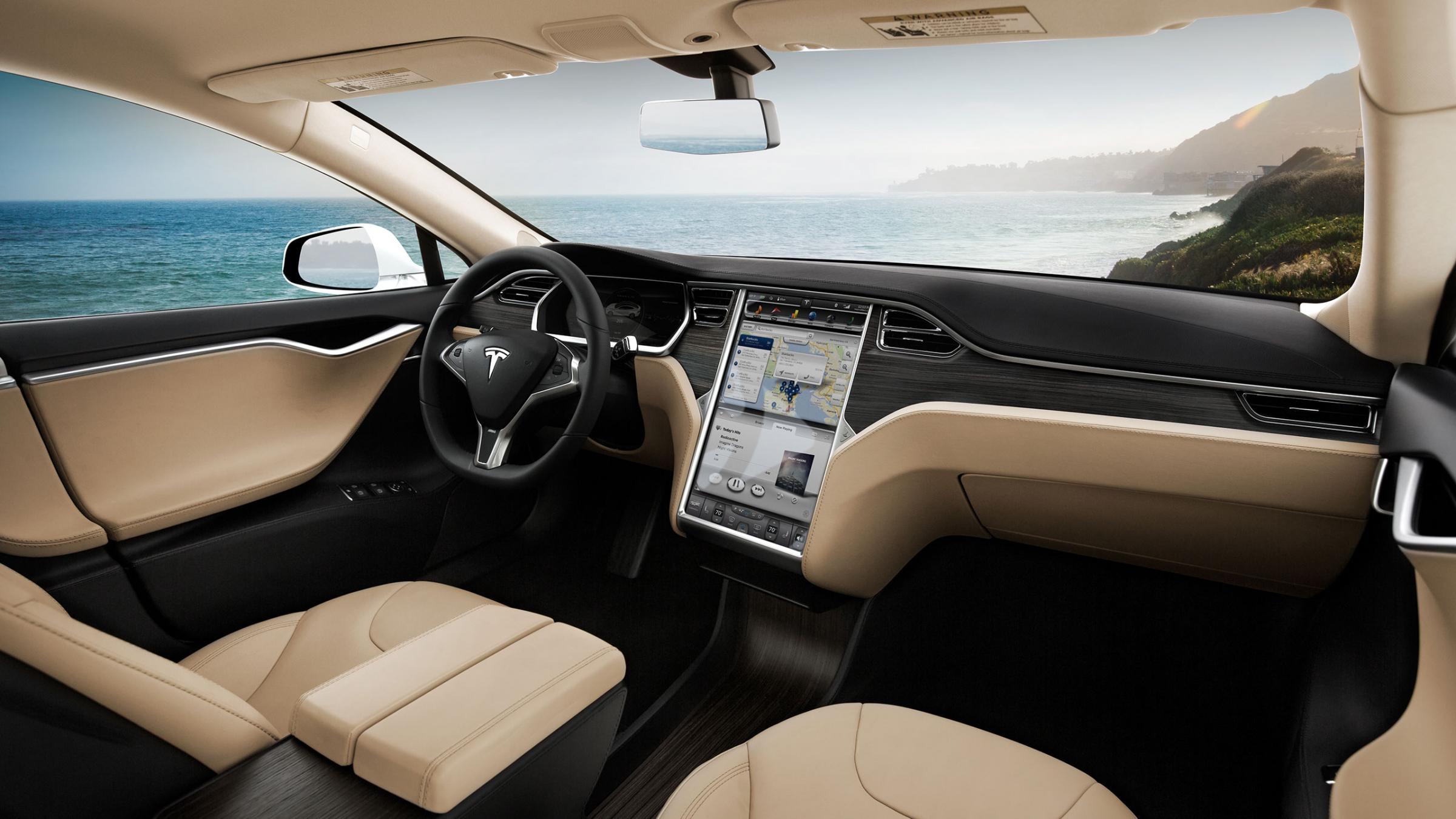
In other Tesla news, the company filed for a patent last November on a context-sensitive user interface (UI) for enhanced vehicle operation. Although the application does not specifically use the word Cybertruck, it does refer to many of the features of the UI as applying to a truck.
Twitter user @AMuchBetterFace posted a screenshot from the patent application indicating that the range of the Cybertruck used in the illustration is 610 miles, more than 20% higher than the range of the tri-motor Cybertruck given on Tesla’s spec sheet.
CleanTechnica takes a deeper dive into the patent application and describes some of the features of the context-sensitive UI.
Contact [email protected] for any questions or corrections.
Paul Ausick has been writing for 247Wallst.com for more than a decade. He has written extensively on investing in the energy, defense, and technology sectors. In a previous life, he wrote technical documentation and managed a marketing communications group in Silicon Valley.
He has a bachelor's degree in English from the University of Chicago and now lives in Montana, where he fishes for trout in the summer and stays inside during the winter.