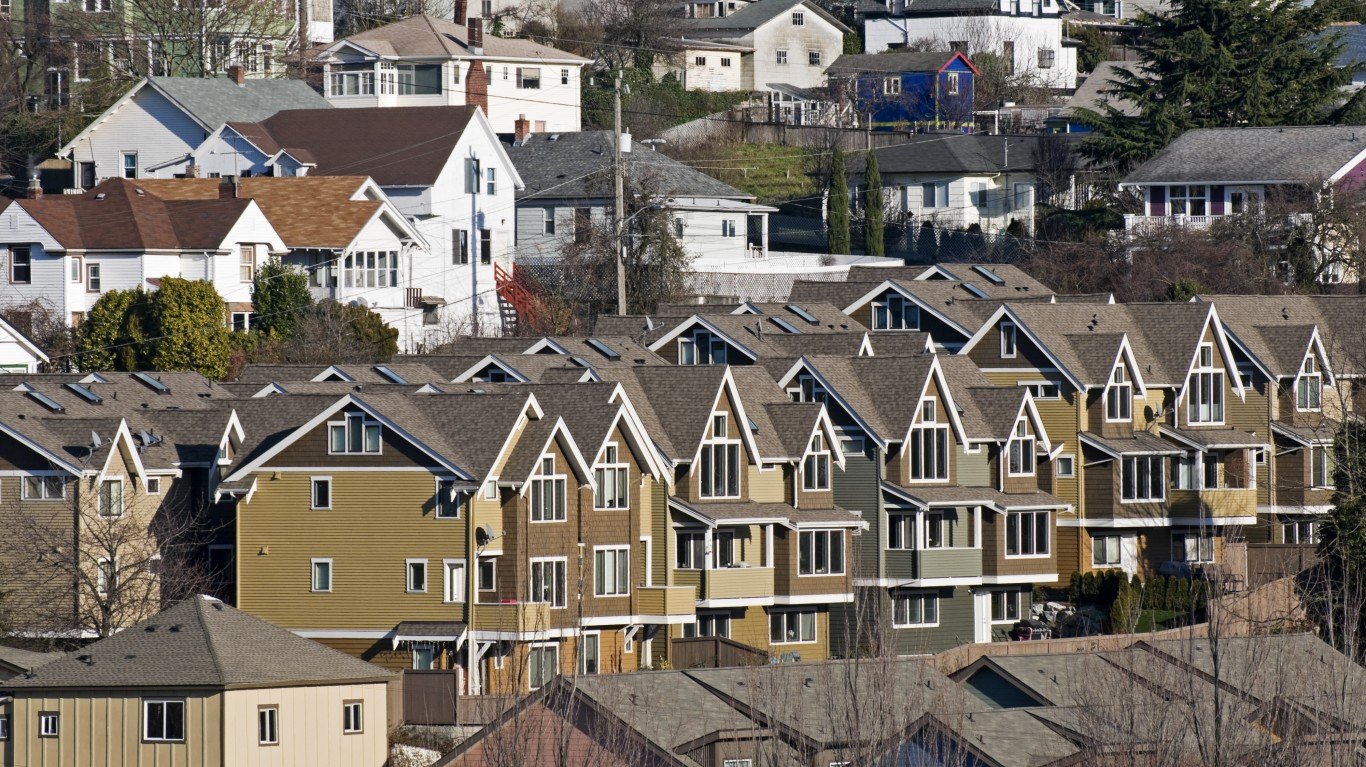
San Francisco Housing Market Starts to Stumble
A recent analysis reveals that home price in San Francisco declined the most in November.

It was only a matter of time before the hot housing market started to cool. At some point, home prices were going to rise above what people could afford. An increase in interest rates worsened this. Then came the race for which markets would start to fall first and which would fall the fastest. (Click here for the cities where home values rose the most since 2000.)
The just released S&P Case-Shiller home price index for November shows that, year over year, home prices rose 7.7% nationwide. That is down from a pace of nearly 20% early last year. Craig J. Lazzara, managing director at S&P DJI, commented, “November 2022 marked the fifth consecutive month of declining home prices in the U.S.” Prices fell 0.6% from October, another sign of the trend.
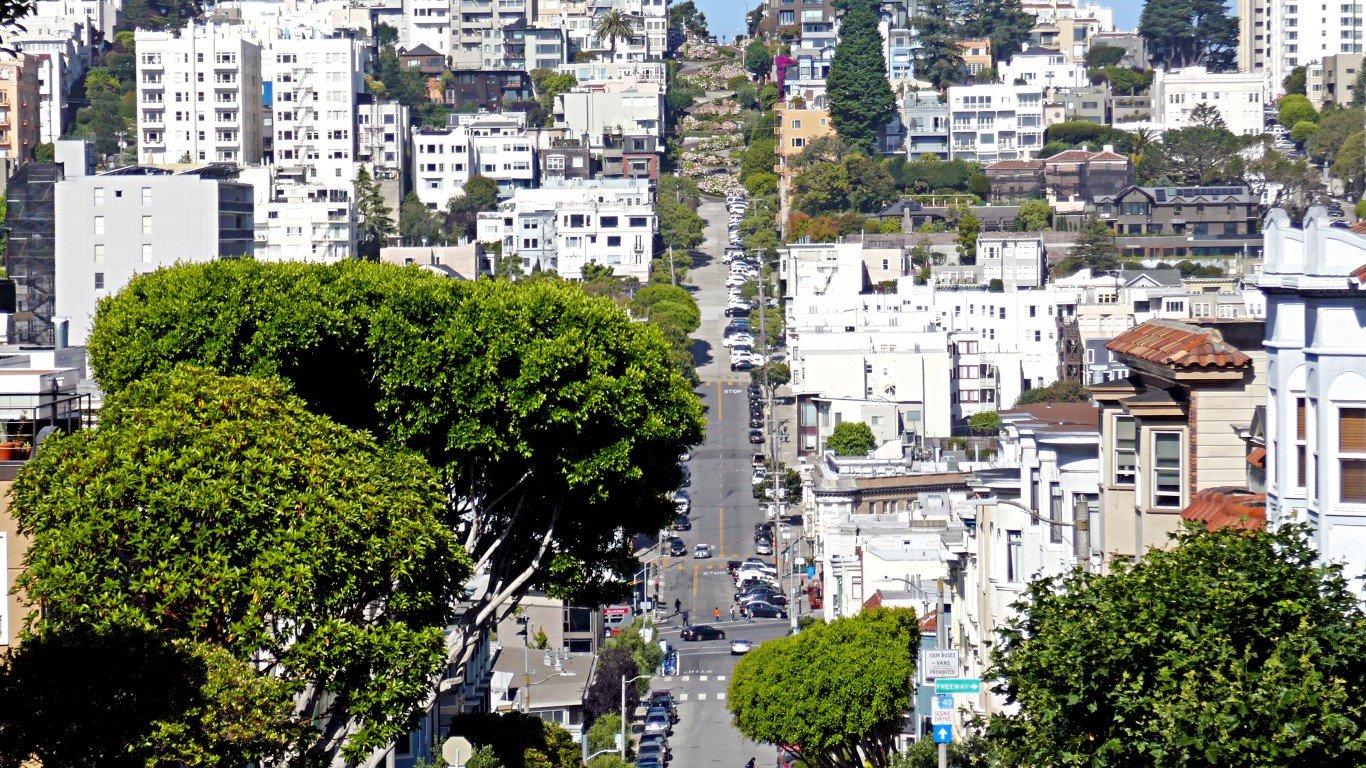
The market that posted the worst results in November was San Francisco, where prices dropped 1.6% year over year. In general, the west coast did poorly. Seattle prices were up only 1.5%, and prices in Los Angeles rose only 4.4%
San Francisco’s housing market has several problems. One is that greater San Francisco has the highest median home prices in the country. Median home prices in San Jose are over $1 million. San Francisco’s are nearly as high.
Tens of thousands of people left west coast cities and moved inland. They could do so because they were allowed to work from home. Markets such as Salt Lake City and Boise had much lower home prices and a “better” quality of living.
San Francisco was a mecca for decades. It is located in one of the most beautiful places in the world. The rise in the tech industry made many people who lived there wealthy, but some of that charm has worn off. Maybe this is because prices were so high they were bound to fall.
Contact [email protected] for any questions or corrections.
Douglas A. McIntyre is the co-founder, chief executive officer and editor in chief of 24/7 Wall St. and 24/7 Tempo. He has held these jobs since 2006.
McIntyre has written thousands of articles for 24/7 Wall St. He is an expert on corporate finance, the automotive industry, media companies and international finance. He has edited articles on national demographics, sports, personal income and travel.
His work has been quoted or mentioned in The New York Times, The Wall Street Journal, Los Angeles Times, The Washington Post, NBC News, Time, The New Yorker, HuffPost USA Today, Business Insider, Yahoo, AOL, MarketWatch, The Atlantic, Bloomberg, New York Post, Chicago Tribune, Forbes, The Guardian and many other major publications. McIntyre has been a guest on CNBC, the BBC and television and radio stations across the country.
A magna cum laude graduate of Harvard College, McIntyre also was president of The Harvard Advocate. Founded in 1866, the Advocate is the oldest college publication in the United States.
TheStreet.com, Comps.com and Edgar Online are some of the public companies for which McIntyre served on the board of directors. He was a Vicinity Corporation board member when the company was sold to Microsoft in 2002. He served on the audit committees of some of these companies.
McIntyre has been the CEO of FutureSource, a provider of trading terminals and news to commodities and futures traders. He was president of Switchboard, the online phone directory company. He served as chairman and CEO of On2 Technologies, the video compression company that provided video compression software for Adobe’s Flash. Google bought On2 in 2009.