88% Chance of No Hike at Next FOMC Meeting: CME FedWatch Tool
Why the Federal Reserve (will likely leave interest rates unchanged at the forthcoming policy meeting

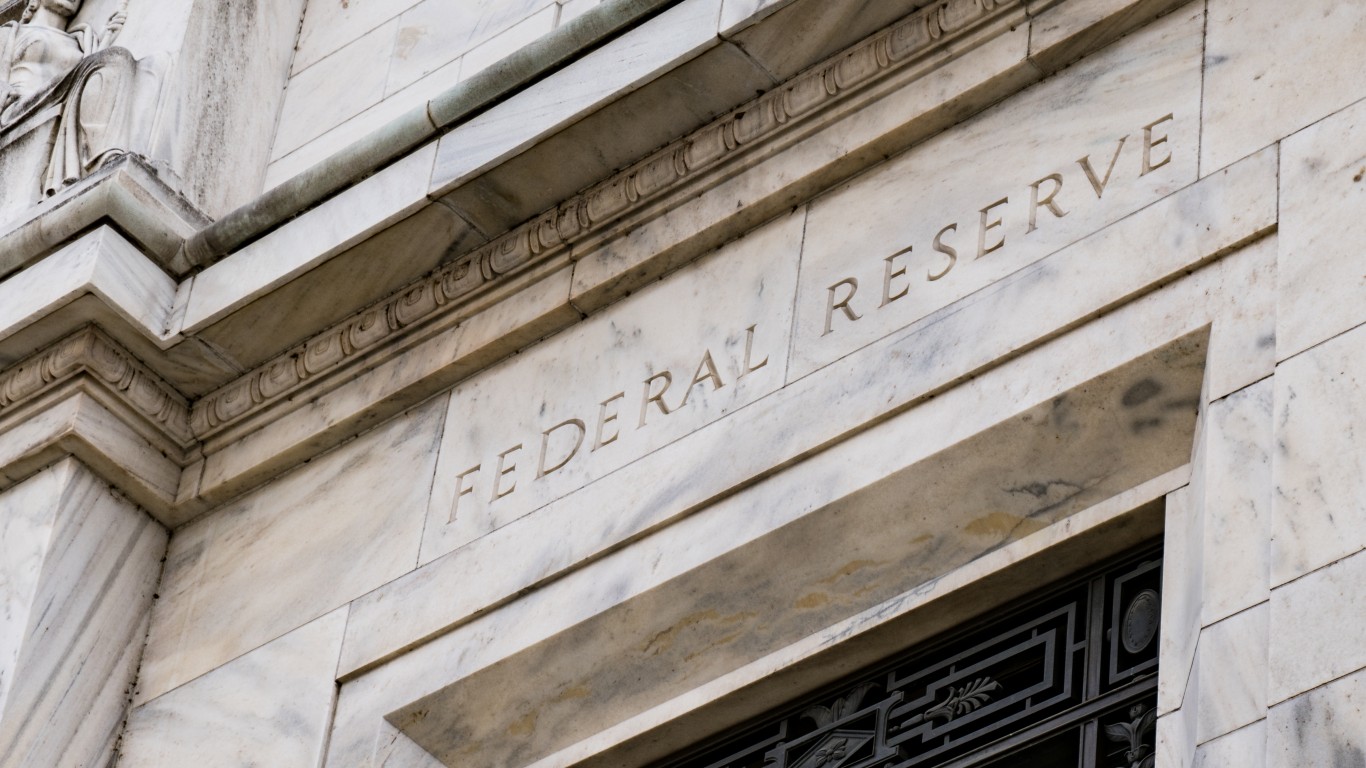
According to market data, US Federal Reserve (Fed) officials will likely leave interest rates unchanged at the forthcoming policy meeting on September 20th. To be more specific, there is an 88.5% chance the Fed will not increase rates at the next meeting, the CME FedWatch Tool shows.
Fed Cautious as Previous Rate Hikes Yet to Make a Full Impact
Following the latest 25 basis points (bps) hike that took interest rates to a target range of 5.25% to 5.50% in July, there is an 88.5% chance that the Federal Reserve will skip a rate increase at the upcoming September meeting. According to the CME FedWatch Tool, the odds of another hike, which would bring rates to 5.50-5.75%, currently sit at just 11.5%.
CME’s FedWatch verifies market expectations of future Fed interest rate changes by analyzing probabilities derived from Fed Funds futures contract prices, providing insights into market sentiment on monetary policy.
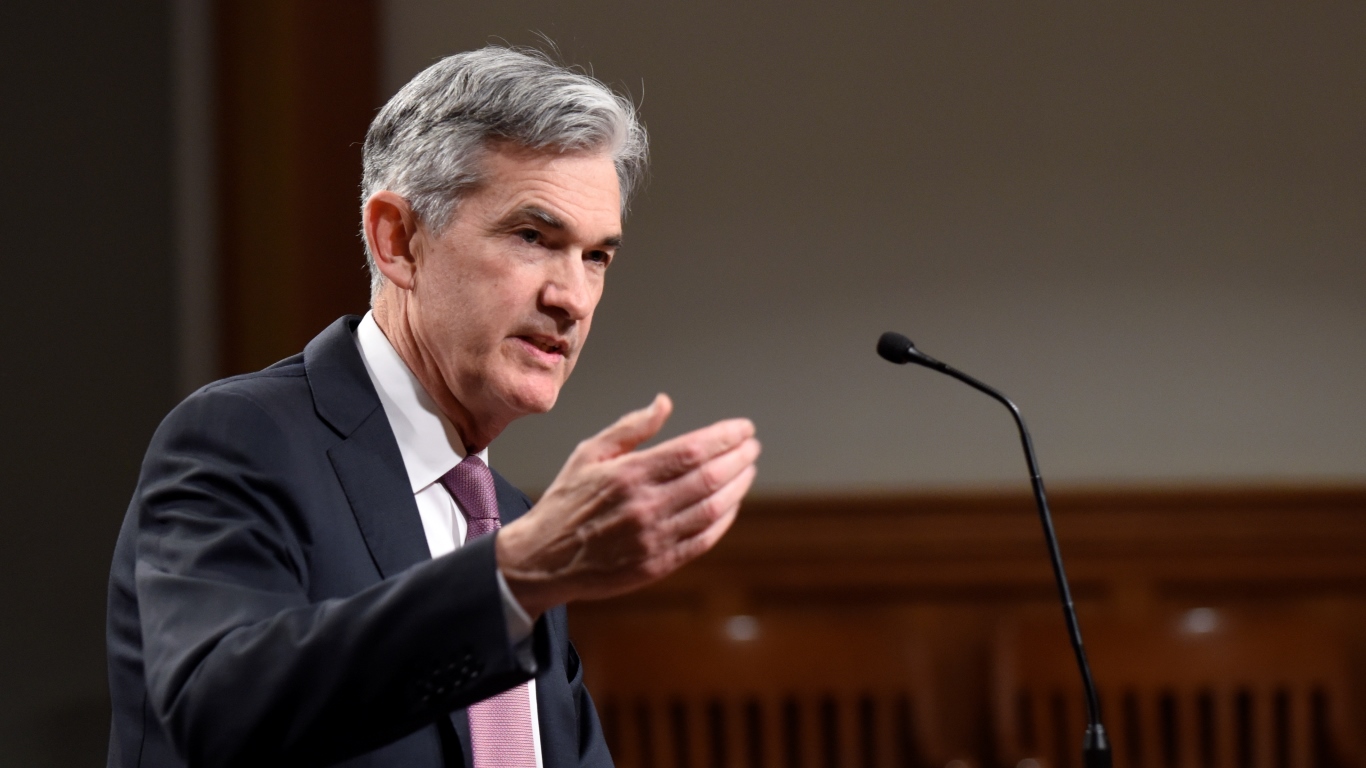
During the annual symposium at Jackson Hole last week, Fed Chair Jerome Powell said past interest rate hikes have not slowed down the US economy entirely. This is a strong argument for the central bank to keep the rates steady for now, even though more accelerated economic growth could require more rates to rein in inflation.
However, inflationary pressures have been declining steadily over the past few months. The consumer price index (CPI) dropped to 3.2% in July 2023 from a 9.1% peak in June 2022 after the Fed embarked on a belligerent campaign to bring down prices, imposing 11 rate increases since March 2022. Key inflation drivers, such as the red-hot labor market, have also been cooling down recently.
PCE and Jobs Data Due This Week
Meanwhile, the new Personal Consumption Expenditures (PCE) data, the Fed’s favored inflation gauge, is set to come out in the US morning hours on Thursday, in addition to the August jobs report, which is expected Friday. In the meantime, the ADP data, which measures job growth in the private sector, displayed the slowest monthly hiring activity in 5 months on Wednesday.
Policymakers and investors closely watch the PCE index due to its broader coverage of consumer spending behaviors and its incorporation of changes in consumption patterns. In other words, it offers a more comprehensive and adaptable perspective on inflation trends, aligning closely with the Fed’s goal of maintaining stable prices.
The most recent report showed that PCE rose 4.1% year-over-year in June, marking the weakest gain since September 2021. Excluding food and energy costs, PCE rose just 0.2% month-on-month in June, in line with estimates.
This article originally appeared on The Tokenist
Contact [email protected] for any questions or corrections.