Florida, Michigan Top States for Distressed Home Sales
U.S. sales of distressed homes totaled more than 9% of all homes sold in June of this year, according to data from CoreLogic.

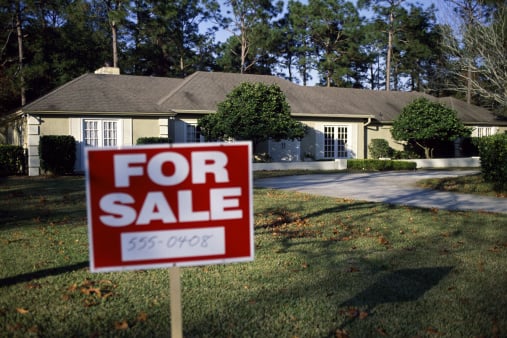 U.S. sales of distressed homes totaled 9.4% of all homes sold in June of this year, according to data from CoreLogic and published Thursday on the company’s blog. The total represents a 2.4% drop compared with June of 2014, and a drop of 0.9% compared with May of this year.
A distressed sale is a transaction involving a real estate-owned (REO) property or a short sale. In June, REO sales accounted for 6% of all home sales and short sales accounted for 3.4% of all sales in the month. At the peak of distressed sales in January 2009, 32.4% of all sales were distressed, including REO sales totaling 27.9% of all sales.
The CoreLogic report noted:
The ongoing shift away from REO sales is a driver of improving home prices since bank-owned properties typically sell at a larger discount than short sales. There will always be some amount of distress in the housing market, and by comparison, the pre-crisis share of distressed sales was traditionally about 2 percent. If the current year-over-year decrease in distressed sales share is maintained, the distressed sales share would reach that “normal” 2-percent mark in mid-2018.
The five states with the largest percentage of distressed sales were Florida (21.0%), followed by Michigan (20.7%), Maryland (20.5%), Connecticut (19.3%) and Illinois (19.1%). Only North Dakota and the District of Columbia remain within one point of their respective pre-crisis distressed sales shares. Nevada had a 6.8-point drop in its distressed sales share from a year earlier, the largest decline of any state, and California had the largest improvement of any state from its peak distressed sales share, falling 58.3% from its January 2009 peak of 67.4%.
Among the 25 largest metropolitan areas, these five posted the largest percentage of distressed sales:
- Orlando-Kissimmee-Sanford, Fla. (24.2%)
- Miami-Miami Beach-Kendall, Fla. (22.8%)
- Tampa-St. Petersburg-Clearwater, Fla. (22.5%)
- Chicago-Naperville-Arlington Heights, Ill. (22%)
- Baltimore-Columbia-Towson, Md. (20.6%).
Warren-Troy-Farmington, Mich., had the largest year-over-year drop in its distressed share, falling by 7.2 points from 20.8% in June 2014 to 13.6% in June 2015. Riverside-San Bernardino-Ontario, Calif., had the largest overall improvement in its distressed sales share from its peak value, dropping from 76.3% in February 2009 to 12% in June 2015.
ALSO READ: 8 States Running Out of Water
Contact [email protected] for any questions or corrections.
Paul Ausick has been writing for 247Wallst.com for more than a decade. He has written extensively on investing in the energy, defense, and technology sectors. In a previous life, he wrote technical documentation and managed a marketing communications group in Silicon Valley.
He has a bachelor's degree in English from the University of Chicago and now lives in Montana, where he fishes for trout in the summer and stays inside during the winter.