America’s 15 Favorite Cheeses
Coyau / Wikimedia Commons 5. Brie Either in its natural state or baked in a pastry case (in which form it’s usually served with sweet preserves), Brie is the definitive party cheese. There are American versions, but mass-produced Brie from…


All cheese is basically the same thing: coagulated milk curds. The milk might come from cows, sheep, goats, water buffalo (as in Mozzarella di Bufala), even yaks or camels. (There is also plant-based vegan cheese, but that’s another story.) The curds are usually compressed and often cured — that is, ripened or matured — and typically salted. Then the fun begins: Cheeses may be wrapped in cloth, walnut or chestnut leaves, or bark, among other things; coated in wax or ash, or even wool; washed in brine, beer, wine, or various alcohols; inoculated with mold (to make blue cheese); smoked; colored; flavored with truffles, nuts, or many different kinds of herbs or spices; aged for various periods in a variety of ways… Those simple salted milk curds, in other words, are a kind of blank slate for cheesemakers. There are thousands of kinds of cheese — the annual International Cheese Awards in England showcased 5,000 entries from 27 countries last year — and an ever-increasing number are either produced in or imported to America.
Click here to see America’s 15 favorite cheeses.
Despite the many choices, we tend to fall back on a small number of familiar examples: Cheddar, Mozzarella, Swiss, Brie, even good old “American” — though sales of that highly processed, preservative-laden variety have slowed in recent years as millennial consumers turn increasingly to fancier, sometimes artisanal alternatives. Which cheeses do we like the most in this country, and which do we like the least? As with all foods, preferences are a matter of taste, but there are some clear winners and losers on our national cheeseboard.
Methodology
To determine the most and least favorite cheeses in America, 24/7 Wall St. consulted data from the USDA and the Agricultural Marketing Research Center, a survey of 1,000 consumers conducted by the meal-planning app Innit, and the Food Business News, Cheese Market News, Time magazine, Chowhound, and Ranker websites.

15. American
American cheese, usually sold in the form of those familiar light yellow or yellow-orange (or sometimes white) slices, either individually wrapped or separated by waxed paper, is a processed cheese product made from milk, milk solids, various fats, and whey protein. In a recent survey of 1,000 U.S. cheese-lovers, 13% of respondents named American as their fourth-least-favorite cheese and sales of the stuff have slowed in recent years, as consumers seek more “authentic” alternatives. Don’t count American out, though: 14% of the respondents to that same survey named it as their third-favorite cheese, and there are still those who think it’s the only appropriate option for burgers or grilled cheese sandwiches.

14. Parmesan
People used to joke that this cheap supermarket substitute for Italy’s venerable Parmigiano-Reggiano cheese (see below) tasted like sawdust. They weren’t far off: In 2016, the FDA reported that major brands of mass-market Parmesan had been found to contain cellulose, an additive that prevents clumping. Cellulose isn’t quite sawdust, but it’s a polymer found naturally in wood and cotton and only unnaturally in cheese.

13. Low-fat Cheddar, etc.
Cheddar and other cheeses that have had at least a third of their fat removed can be called low- or reduced-fat. They can also be called bland and bitter, with an elastic or doughy character. They don’t melt well, either. (Non-fat cheeses are even worse.)

12. Goat
Goat cheese (sometimes known by its French name, chèvre) may be fresh or aged and ranges from comparatively mild in flavor to very strong and mouth-puckering but it almost always has a distinctive, well, goaty flavor, reminiscent of barnyard odors and damp wool. Some people appreciate this character, but for many Americans it’s extremely off-putting.

11. Blue
Blue cheeses are made from cow’s, goat’s, or sheep’s milk all over the world. Cultures of the Penicillum mold give them blue, green, or sometimes gray or black veins, either streaked here and there or permeating the entire cheese. Some of the world’s greatest cheeses are blue, including Roquefort, Stilton, and Gorgonzola, but many people find them too pungent, even acrid, and are sometimes put off by the very sight of the mold.

10. Gjetost
This unique Norwegian cheese, typically sold in deli cases in bricks wrapped in red foil, is a love-it-or-hate-it thing, with most Americans seeming to come down on the latter side. It’s caramelized into a butterscotch color and tastes sweet and fudge-like (it also reminds some people of peanut butter) â not necessarily bad, but not what most people think of as cheese.

9. Limburger
Made only in Wisconsin, despite its German-sounding name, Limburger has a reputation as one of the world’s stinkiest cheeses, and has been the butt of jokes by everyone from Charlie Chaplin to Larry the Cable Guy. Limburger gets more pungent as it ages; the e-commerce site The Wisconsin Cheeseman calls the cheese “weapons-gradeâ¦and in full-on sweaty sock mode” when it’s four months old or more.

8. Feta
This Greek (or imitation Greek) cheese, traditionally made from a blend of sheep’s and goat’s milk but also now produced from one or the other, or even cow’s milk, is brine-cured, leaving it salty and tangy. It’s not a melting cheese, but is unparallelled for crumbling into salads or slicing as an accompaniment to kebabs and other Mediterranean dishes.

7. Monterey Jack
A true American cheese, first made in Monterey, California, as early as the 1700s and popularized in the 19th century by (and eventually named for) dairyman David Jacks, this is a mild, creamy cheese, great for melting. Pepper Jack, a variation spiked with bits of spicy chiles, was ranked as the fourth-favorite cheese in a recent survey of 1,000 American cheese-lovers.

6. Swiss
“Swiss” is a generic name for a family of American-made cheeses inspired by Switzerland’s Emmenthal and its relatives. (Jarlsberg, a staple of every supermarket cheese case, is a Norwegian variation on Swiss cheese.) Its flavor is slightly sweet, and is often described as nutty. Swiss is a deli-sandwich essential, and often appears in cubed form, along with Cheddar, on party platters.

5. Brie
Either in its natural state or baked in a pastry case (in which form it’s usually served with sweet preserves), Brie is the definitive party cheese. There are American versions, but mass-produced Brie from France, its country of origin, is commonly available in the U.S. As it matures and grows runny, Brie gains pungency, but when young, it’s lightly flavorful and very accessible, but still just a little bit exotic and perfect for a crowd.

4. Provolone
Rated by 1,000 U.S. cheese-lovers as their fifth favorite cheese, this semi-hard Italian or Italian-style cheese has a buttery, slightly tangy flavor with a pleasant aroma and a mild but pronounced aftertaste. It’s another popular deli cheese, and practically indispensible on antipasto plates.

3. Parmigiano-Reggiano
This classic Italian cow’s milk cheese owes its immense popularity primarily to the fact that it’s on the table or available at virtually every Italian restaurant in America â and there are estimated to be almost 30,000 of them, not counting pizzerias (another 71,000). Americans are beginning to learn what Italians have long known, though: that aged Parmigiano is also a superb eating cheese, accompanied by nothing more than fruit and good red wine.

2. Cheddar
According to USDA data, Cheddar is the second-most-popular cheese in America, with consumption in 2017 reaching 11.07 pounds per capita. (Colby, Monterey Jack, and other related cheeses added another 3.99 pounds.) On sandwiches or casseroles, as a snack, as mousetrap baitâ¦. Cheddar has a place in our hearts.
 1. Mozzarella
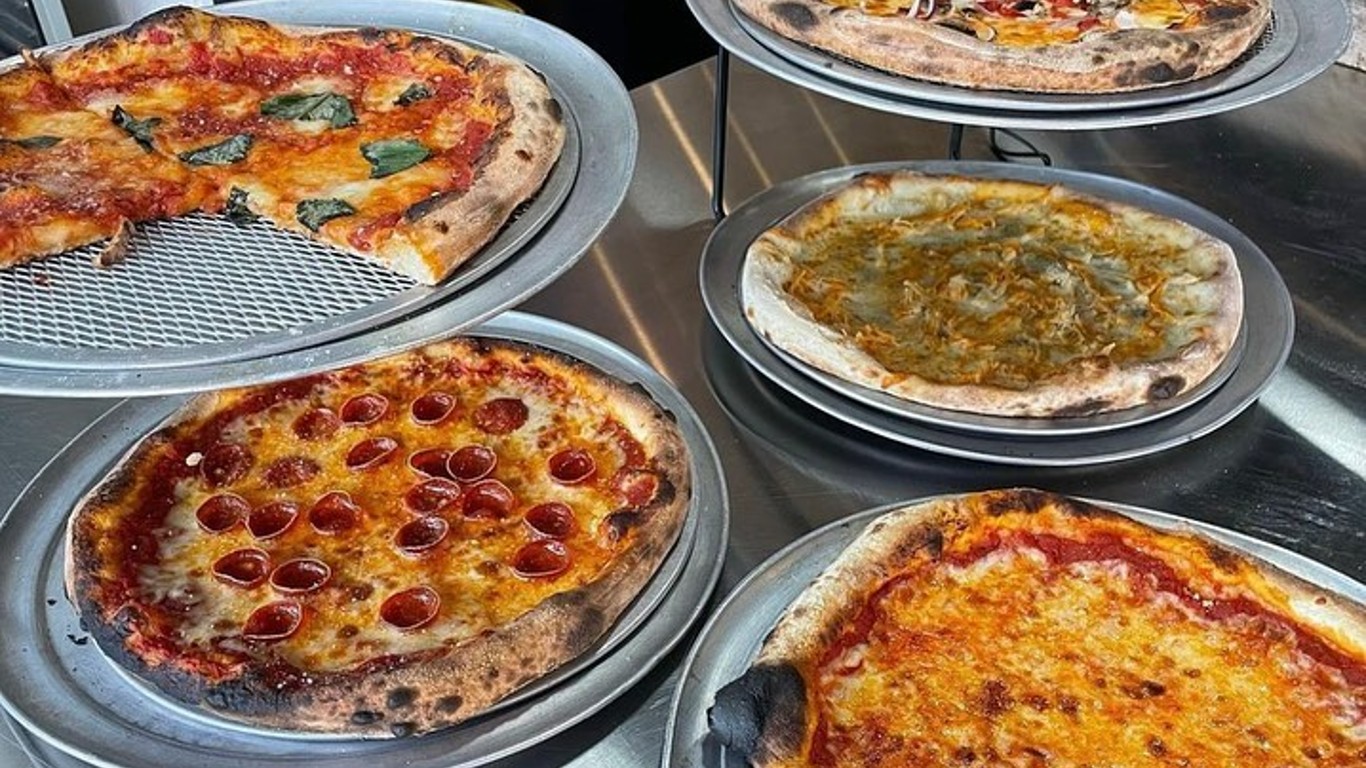
To the surprise of no one who has ever ordered a pizza, the number-one favorite cheese in America is Mozzarella. This can mean anything from the rubbery supermarket stuff to artisanal Mozzarella di Bufala from Italy, or even trendy Burrata, which is mozzarella with a creamy center. Americans consumed 11.57 pounds of “mozz'” per capita in 2017. Favorite indeed.
Contact [email protected] for any questions or corrections.